High-efficiency polymer desulfurization technology has become a key solution in modern industrial environmental protection, particularly in the treatment of flue gas from coal-fired power plants and other industrial processes. This technology leverages advanced polymer materials to achieve deep desulfurization, offering significant advantages in terms of cost-effectiveness, operational stability, and environmental performance. The following introduction will explore the structural characteristics and working principles of polymer desulfurization systems, providing a comprehensive understanding of this innovative approach.
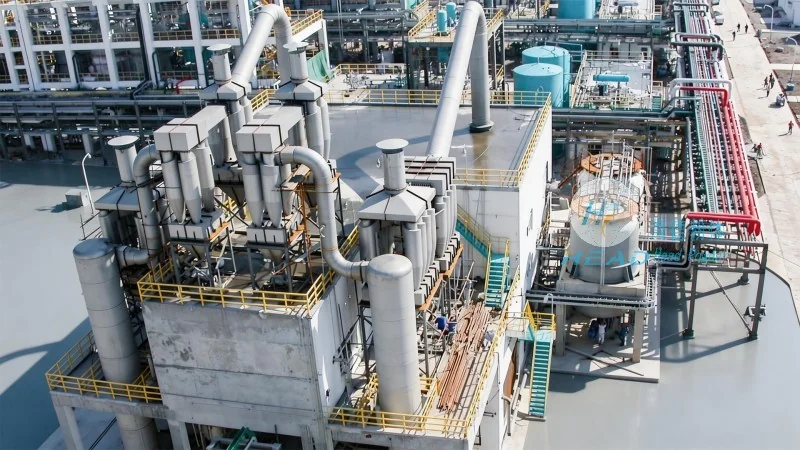
Understanding Polymer Desulfurization: Core Components and Design
Polymer desulfurization systems typically consist of several critical components that work in concert to remove sulfur compounds from flue gas. The primary structure includes a desulfurization reactor, a slurry circulation system, and a solid-liquid separation unit. The reactor is where the actual desulfurization reaction occurs, utilizing a polymer-based absorbent slurry that is continuously circulated through the system. This slurry is composed of a polymer binder, a desulfurizing agent (such as calcium-based compounds), and water, creating a stable suspension that can effectively capture sulfur dioxide (SO₂) from the gas stream. The design of the reactor often incorporates features like bubble columns or packed beds to enhance mass transfer and reaction efficiency, ensuring optimal contact between the gas and liquid phases.
Working Principle of Polymer Desulfurization: Chemical and Physical Processes
The desulfurization process involves a series of chemical and physical reactions that convert sulfur dioxide into solid byproducts. The core mechanism begins with the absorption of SO₂ by the alkaline components in the polymer slurry. Typically, calcium hydroxide or calcium carbonate is present in the slurry, which reacts with SO₂ to form calcium sulfite (CaSO₃·xH₂O) or calcium sulfate (CaSO₄·xH₂O) depending on the operating conditions. The polymer binder in the slurry plays a crucial role in maintaining the stability of the solid particles, preventing agglomeration and ensuring uniform distribution throughout the system. As the gas passes through the reactor, the SO₂ is absorbed into the liquid phase, and the chemical reaction proceeds rapidly, converting the gaseous pollutant into a solid residue that can be separated and disposed of or recycled. The continuous circulation of the slurry ensures that the reaction is sustained, and the system can maintain high removal efficiency even under varying load conditions.
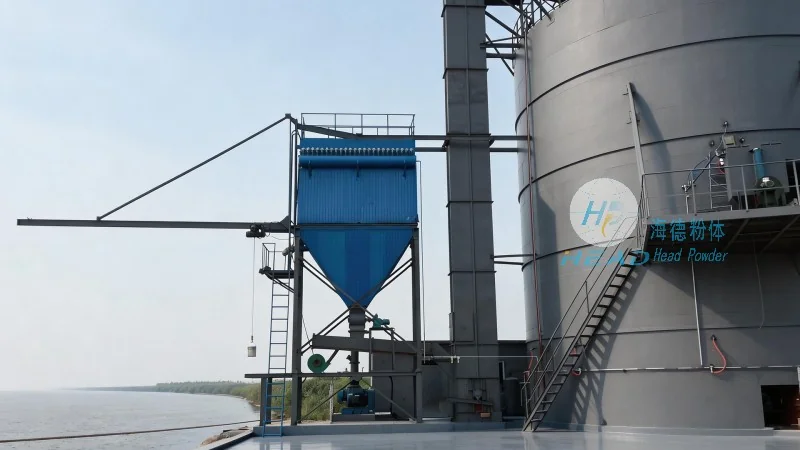
Advantages of Polymer Desulfurization Technology
Compared to traditional limestone-gypsum wet desulfurization systems, polymer desulfurization offers several distinct advantages. The use of polymer materials reduces the viscosity of the slurry, which improves the flow characteristics and reduces the energy consumption associated with pumping and circulation. This leads to lower operational costs and increased system efficiency. Additionally, the polymer-based slurry can be formulated to have better resistance to scaling and fouling, minimizing the need for frequent maintenance and cleaning. The technology also provides flexibility in terms of process control, allowing for adjustments to the slurry composition and operating parameters to optimize performance under different gas compositions and load conditions. From an environmental perspective, the solid byproducts generated are typically more stable and less prone to leaching compared to traditional gypsum, contributing to a cleaner disposal process.
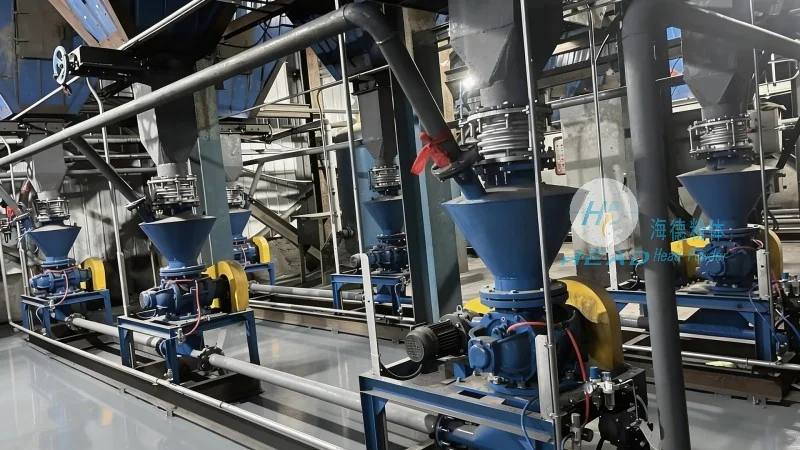
Application Scenarios and Performance Metrics
Polymer desulfurization technology is widely applied in various industrial sectors, including thermal power plants, steel mills, and chemical factories, where flue gas desulfurization is required to meet stringent environmental regulations. The system's performance is typically evaluated based on key metrics such as sulfur dioxide removal efficiency, which can reach up to 95% or higher under optimal conditions. The slurry circulation rate, pH control, and temperature management are critical parameters that directly impact the removal efficiency. In practical applications, the system can be integrated with existing flue gas treatment infrastructure, requiring minimal modifications to the plant layout. The compact design of polymer desulfurization units also allows for easier installation in space-constrained environments, making it a viable solution for both new and retrofit projects.
About Shandong HeadPowder Engineering Co., Ltd.
Shandong HeadPowder Engineering Co., Ltd., commonly known as HeadPowder, is a leading provider of advanced polymer-based environmental technologies. With a focus on innovation and sustainability, the company specializes in the development and manufacturing of polymer desulfurization systems tailored to meet the diverse needs of industrial clients. HeadPowder's expertise lies in the integration of cutting-edge polymer materials with proven desulfurization processes, ensuring high performance and reliability. The company's commitment to quality and customer satisfaction has earned it a reputation as a trusted partner in environmental protection solutions. HeadPowder operates from its headquarters in Shandong, China, where it leverages local resources and expertise to support its global clients. By combining technical excellence with comprehensive service, HeadPowder continues to advance the application of polymer desulfurization technology in addressing air pollution challenges worldwide.




