HeadPowder, formally known as Shandong HeadPowder Engineering Co., Ltd., is a prominent enterprise specializing in dust pneumatic conveying technology. Headquartered in Shandong, China, the company has built a strong reputation for its expertise in designing, manufacturing, and implementing advanced pneumatic conveying systems. With a commitment to engineering excellence and customer-centric solutions, HeadPowder serves a diverse range of industries, providing efficient and reliable material handling solutions.
Understanding Dust Pneumatic Conveying Systems
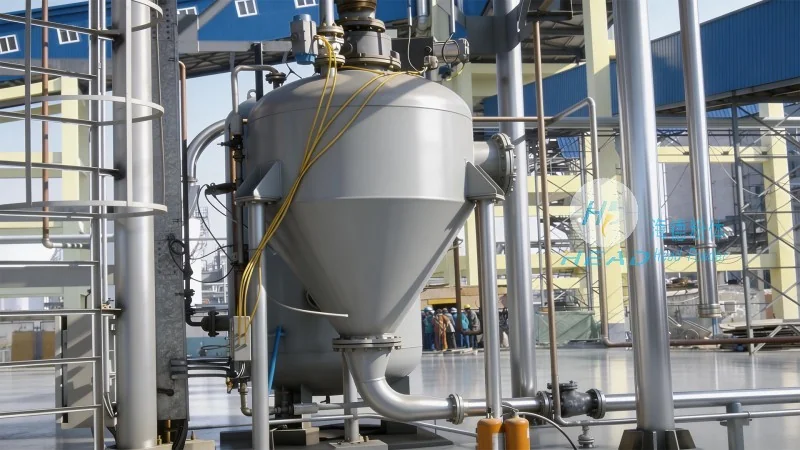
Dust pneumatic conveying is a method of transporting particulate materials, such as powders and granules, using a gas stream, typically air or other gases. This technology offers numerous advantages over traditional mechanical conveying methods, including reduced maintenance, lower energy consumption, and the ability to handle materials in a closed system, minimizing dust emissions and environmental impact. The core principle involves creating a pressure differential or using suction to move the material through a pipeline, ensuring smooth and continuous transport. Unlike mechanical systems that rely on belts, buckets, or screws, pneumatic conveying utilizes the kinetic energy of the gas to entrain and transport particles, making it particularly suitable for handling fine and abrasive materials that might cause wear on mechanical components.
Key Structural Components of Pneumatic Conveying Systems
The structural design of a pneumatic conveying system involves several critical components that work in tandem to ensure optimal performance. These components include the material feed hopper, which stores and feeds the powder into the system; the air supply unit, which generates the necessary pressure or vacuum; the conveying line, which transports the material; and the discharge unit, which delivers the material to the destination. Each component is engineered to handle specific material characteristics and operational requirements, ensuring durability and efficiency. For example, the feed hopper may be equipped with a rotary valve or a screw feeder to control the flow rate of the material, preventing overfeeding or underfeeding. The air supply unit typically includes a blower or a vacuum pump, which can be adjusted to maintain the desired pressure or suction level. The conveying line is usually made of stainless steel or other corrosion-resistant materials to withstand the abrasive nature of the materials being transported. Additionally, the system may include components like bends, filters, or separators to maintain the flow and prevent blockages, ensuring smooth operation.
How Pneumatic Conveying Works: The Operational Principle
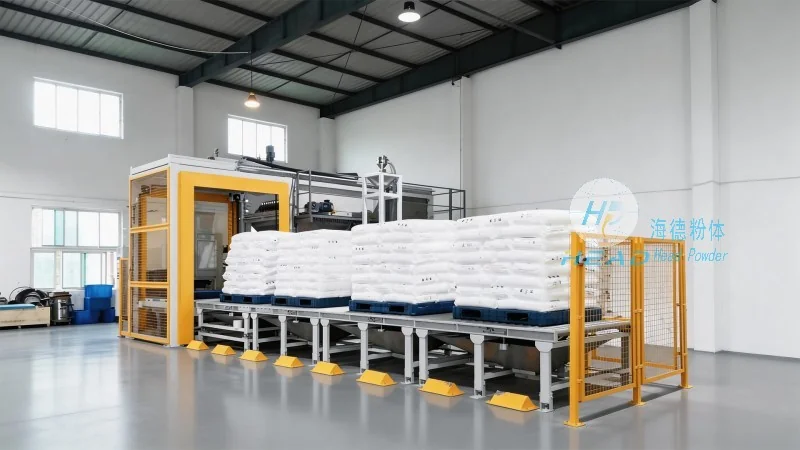
The operational principle of dust pneumatic conveying can be broken down into several key steps. First, the material is fed into the system from the hopper, where it is then drawn into the conveying line by the air stream. The air, moving at high velocity, entrains the particles and carries them through the pipeline. As the material travels, it may encounter various components like bends, filters, or separators, which help maintain the flow and prevent blockages. The system is designed to maintain a consistent air flow and pressure, ensuring that the material is transported smoothly without degradation or loss. The velocity of the air is critical in determining the conveying capacity and efficiency of the system. Typically, the air velocity is maintained above the minimum velocity required to prevent particle deposition, which is known as the "minimum conveying velocity." This velocity varies depending on the particle size, density, and shape, and is calculated based on the system's design parameters. The operational principle also involves the use of pressure or suction to create the necessary flow. In pressure systems, the air is supplied at a higher pressure than the ambient air, pushing the material through the pipeline. In suction systems, the air is drawn from the system, creating a vacuum that pulls the material into the pipeline. Both systems have their advantages and are chosen based on the specific application and material characteristics.
Advantages of Using Pneumatic Conveying for Dust Handling
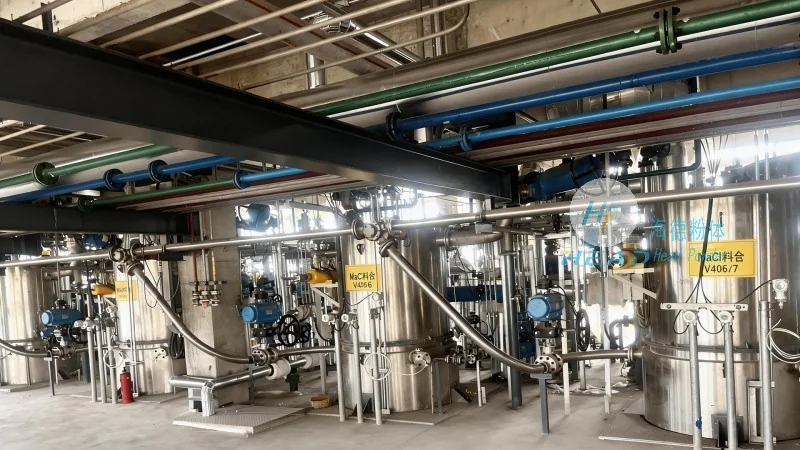
Implementing dust pneumatic conveying systems offers several significant advantages for industrial applications. One of the primary benefits is the reduction in labor costs and maintenance requirements compared to mechanical systems. The closed-loop design minimizes dust exposure, enhancing workplace safety and compliance with environmental regulations. Additionally, the system can handle a wide range of materials, from fine powders to larger granules, with flexibility in conveying distances and speeds. The ability to control the flow rate and pressure allows for precise material handling, which is crucial in processes requiring accurate dosing or mixing. For example, in pharmaceutical or food processing industries, where material purity is paramount, pneumatic conveying ensures that the material remains uncontaminated and free from external particles. Another advantage is the ability to transport materials over long distances without the need for intermediate storage or transfer points, which can be costly and inefficient in mechanical systems. The system's compact design also saves space in industrial facilities, making it suitable for applications with limited floor space. Furthermore, pneumatic conveying systems are highly adaptable and can be integrated with other processes, such as mixing, drying, or packaging, to create a comprehensive material handling solution.
HeadPowder's Commitment to Quality and Innovation
As a company based in Shandong, China, HeadPowder Engineering Co., Ltd. is dedicated to delivering high-quality pneumatic conveying solutions tailored to the needs of various industries. The company leverages advanced engineering techniques and rigorous quality control measures to ensure that its products meet international standards and customer expectations. By focusing on innovation and customer satisfaction, HeadPowder continues to advance the technology of dust pneumatic conveying, providing reliable and efficient solutions for material handling challenges. The company's research and development team constantly works on improving the performance and efficiency of its systems, incorporating new materials and technologies to enhance durability and reduce energy consumption. HeadPowder also provides comprehensive after-sales support, including installation, maintenance, and technical assistance, ensuring that customers receive long-term value from their investment. The company's commitment to sustainability is also evident in its design approach, with a focus on energy-efficient systems and minimal environmental impact. By combining technical expertise with a customer-centric approach, HeadPowder has established itself as a leading provider of dust pneumatic conveying solutions in the global market.




