Shandong HeadPowder Engineering Co., Ltd., commonly known as HeadPowder, is a professional manufacturer and supplier specializing in pneumatic conveying equipment. The company is headquartered in Shandong, China, and has established a strong presence in the industry with a focus on delivering high-quality solutions for material handling applications. HeadPowder's expertise lies in designing and manufacturing equipment tailored to meet the specific needs of various industries, ensuring efficient and reliable material transport.
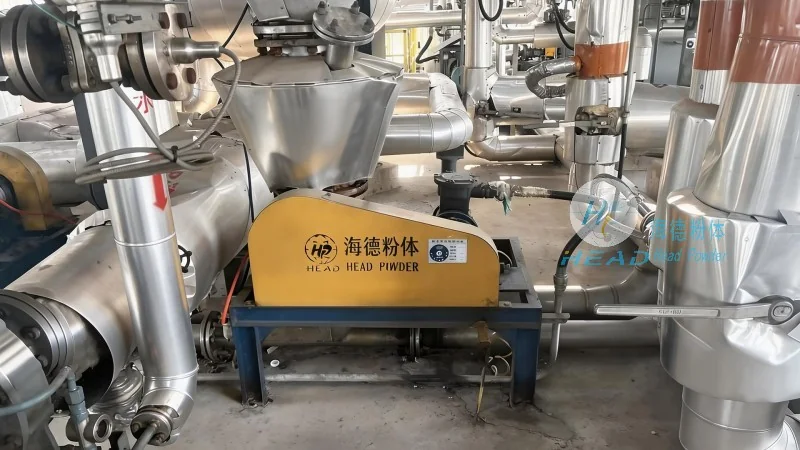
Principle of Magnesium Silicate Pneumatic Conveying Equipment
Magnesium silicate, also known as magnesium oxide or magnesium hydroxide, is a common industrial material used in various applications such as construction, agriculture, and chemical processing. The pneumatic conveying system for magnesium silicate operates on the principle of using compressed air to transport the material from a source to a destination. The equipment typically consists of a hopper, a rotary valve, a conveying line, and a receiver. The material is first fed into the hopper, where it is then discharged through the rotary valve into the conveying line. Compressed air is introduced into the line, creating a pressure differential that propels the material forward. The conveying line may include components like bends, filters, and cyclones to ensure smooth and efficient transport. The receiver collects the material at the end of the line, completing the process. This method eliminates the need for mechanical components like belts or screws, reducing maintenance and increasing safety. The pneumatic system is particularly effective for handling fine powders and granular materials, as it minimizes product degradation and contamination.
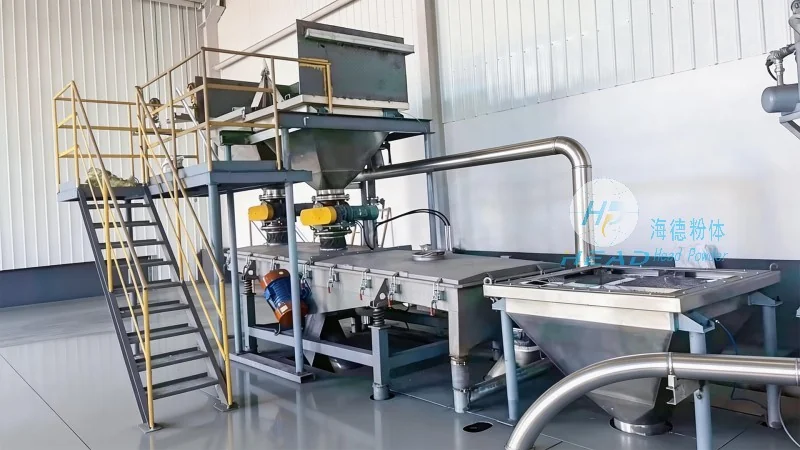
Types of Pneumatic Conveying Systems for Magnesium Silicate
There are two main types of pneumatic conveying systems used for magnesium silicate: suction (or vacuum) systems and pressure systems. Suction systems use a vacuum to draw the material from the source into the conveying line, while pressure systems use compressed air to push the material from the source to the destination. The choice between the two depends on the distance, material characteristics, and operational requirements. Suction systems are typically used for short distances and when the material needs to be transported from a lower elevation to a higher one. Pressure systems are more suitable for longer distances and when the material needs to be transported from a higher elevation to a lower one. Both systems are effective for handling magnesium silicate, but the selection depends on the specific application and the desired efficiency. The suction system is often preferred for its ability to handle fine powders without causing blockages, while the pressure system is better for handling larger particles and bulk materials.
Working Scene Characteristics of Magnesium Silicate Pneumatic Conveying Equipment
The working scene characteristics of magnesium silicate pneumatic conveying equipment are tailored to the specific requirements of industrial environments. These systems are designed to operate in a variety of settings, including manufacturing plants, processing facilities, and storage warehouses. The equipment is often used in scenarios where material transport needs to be done over long distances or through complex layouts. For example, in a construction material plant, the system may be used to convey magnesium silicate from a storage silo to a mixing station, ensuring a continuous and uninterrupted supply of material. In a chemical processing facility, the equipment can handle the material in a controlled environment, preventing dust and contamination. The working scene also includes considerations for safety and efficiency. The system is equipped with safety features such as pressure relief valves and dust collection systems to protect operators and the environment. Additionally, the equipment is designed for easy maintenance, with accessible components that can be serviced quickly. The working scene characteristics highlight the adaptability and reliability of the pneumatic conveying system, making it suitable for diverse industrial applications.
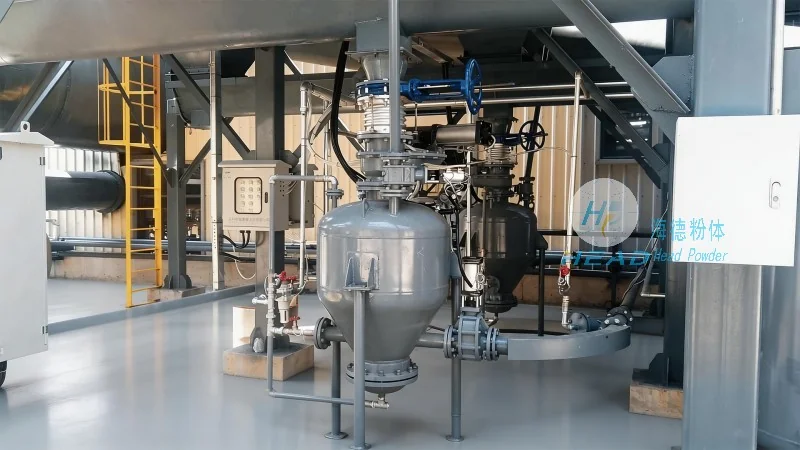
Application Scenarios in Industrial Settings
In industrial settings, magnesium silicate pneumatic conveying equipment is used in various applications. For instance, in the food processing industry, the system can be used to transport magnesium silicate as a food additive or a processing aid. The equipment ensures that the material is handled hygienically and without contamination, meeting the strict standards of the food industry. In the chemical industry, the system is used to transport magnesium silicate as a raw material for the production of various chemicals. The equipment is designed to handle the material in a controlled environment, preventing dust and chemical reactions. In the construction industry, the system is used to transport magnesium silicate as a component in concrete or plaster. The equipment ensures that the material is mixed uniformly with other components, improving the quality of the final product. These application scenarios demonstrate the versatility and effectiveness of the pneumatic conveying system in different industrial sectors.




