When it comes to transporting calcined ash, selecting the right conveying method is crucial for industrial efficiency and operational safety. Calcined ash, a byproduct of various industrial processes, requires reliable and efficient transportation systems to move it from production sites to storage or processing facilities. Over the years, several methods have been employed for calcined ash conveyance, each with its own set of advantages and limitations. This article explores the different types of calcined ash conveying methods and highlights the innovative solutions offered by Shandong HeadPowder Engineering Co., Ltd., commonly known as HeadPowder, particularly their calcined ash pneumatic conveying systems.
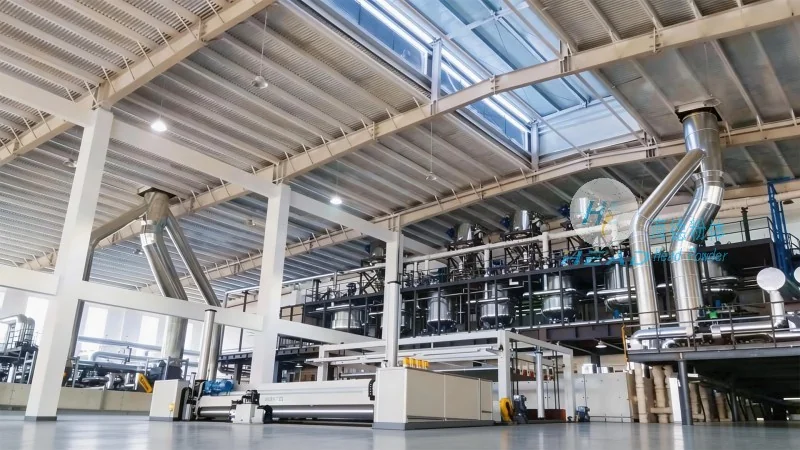
Traditional Conveying Methods for Calcined Ash
Before the advent of advanced pneumatic systems, traditional conveying methods were widely used for calcined ash transport. These include belt conveyors, screw conveyors, and bucket elevators. Belt conveyors are commonly used for bulk material handling due to their ability to transport large quantities over long distances. However, they are susceptible to wear and tear from abrasive materials like calcined ash, leading to higher maintenance costs and potential downtime. Screw conveyors, on the other hand, are suitable for horizontal or slight incline transport but may struggle with high-volume or fine-grained ash, as the material can cause clogging and increased friction. Bucket elevators are effective for vertical transport but require regular maintenance to prevent mechanical failures. Each of these traditional methods has its place in certain applications, but they often fall short in terms of efficiency, cost-effectiveness, and environmental impact.
The Advantages of Pneumatic Conveying for Calcined Ash
Pneumatic conveying, or air-based transport, has emerged as a superior alternative to traditional methods for calcined ash handling. This technology uses compressed air to move material through a pipeline system, offering several key advantages. First, it provides a completely enclosed system, which minimizes dust emissions and ensures a clean working environment. This is particularly important for calcined ash, which can be fine and potentially hazardous if released into the air. Second, pneumatic systems can handle both dry and wet ash, adapting to varying material characteristics. Third, they offer high transport efficiency, capable of moving large volumes of material over long distances with minimal energy consumption compared to mechanical systems. Additionally, pneumatic conveying reduces the risk of material spillage and contamination, making it ideal for applications where product purity is critical.
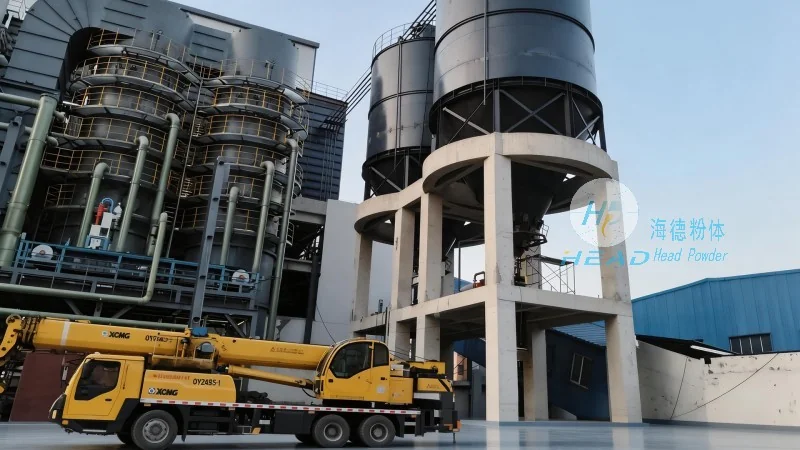
HeadPowder's Calcined Ash Pneumatic Conveying Systems
Shandong HeadPowder Engineering Co., Ltd., a leading manufacturer in the field, specializes in designing and manufacturing advanced calcined ash pneumatic conveying systems. HeadPowder's solutions are tailored to meet the specific needs of industrial clients, ensuring optimal performance and reliability. The company's systems typically utilize either positive pressure or negative pressure conveying, depending on the application requirements. Positive pressure systems blow air into the pipeline, pushing the material forward, while negative pressure systems draw material into the system using suction. Both methods are effective, but the choice depends on factors such as distance, material properties, and environmental regulations. HeadPowder's systems are equipped with high-quality components, including robust air compressors, efficient separation units, and durable pipeline materials, all designed to withstand the abrasive nature of calcined ash. The company also offers customized solutions, allowing clients to integrate the conveying system with existing infrastructure, reducing installation time and costs.
Key Features and Benefits of HeadPowder's Systems
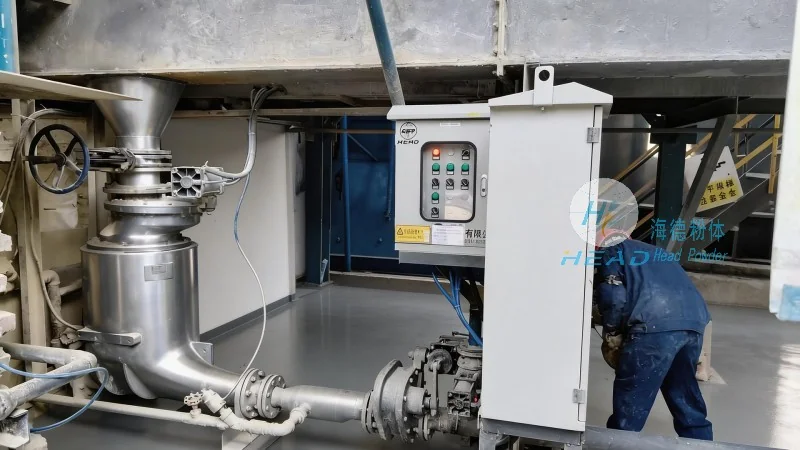
HeadPowder's calcined ash pneumatic conveying systems are characterized by several key features that enhance their performance and user experience. One of the primary benefits is the system's low maintenance requirements. The enclosed design minimizes the need for frequent cleaning and repairs, as the material remains within the pipeline. This leads to lower operational costs and increased uptime. Another advantage is the flexibility of the system, which can be easily adjusted to accommodate changes in material flow rates or distance. The company also emphasizes energy efficiency, using advanced compressors that reduce power consumption without compromising performance. Additionally, HeadPowder's systems are designed with safety in mind, incorporating features such as pressure relief valves and emergency shut-off mechanisms to prevent accidents and ensure compliance with safety standards.
Applications and Industries Served
HeadPowder's calcined ash pneumatic conveying systems are used in a wide range of industries where calcined ash is a byproduct. These include power generation, cement production, and chemical processing. In power plants, for example, calcined ash is generated from the combustion of coal or biomass, and efficient transport is essential to manage waste and recycle valuable materials. The cement industry also relies on calcined ash as a supplementary cementitious material, and reliable conveying systems ensure consistent quality and production. Chemical processing facilities may use calcined ash in various applications, such as in the production of fertilizers or other industrial chemicals. HeadPowder's systems have been successfully implemented in these industries, providing clients with a cost-effective and environmentally friendly solution for calcined ash handling.
Conclusion
In conclusion, the choice of calcined ash conveying method significantly impacts industrial operations, with pneumatic conveying emerging as the preferred solution for many applications. Traditional methods like belt and screw conveyors have limitations that make them less suitable for modern industrial needs. Pneumatic systems, particularly those offered by Shandong HeadPowder Engineering Co., Ltd., provide a superior alternative with their enclosed design, high efficiency, and low maintenance requirements. HeadPowder's expertise in designing and manufacturing calcined ash pneumatic conveying systems ensures that clients receive tailored solutions that meet their specific requirements. By choosing HeadPowder's systems, industrial clients can enhance operational efficiency, reduce costs, and improve environmental compliance, making it a valuable investment for any facility handling calcined ash.




