

Selecting Between Positive Pressure and Negative Pressure for Sodium Carbonate Transport: How to Dis
Sodium carbonate, commonly known as soda ash, is a widely used chemical in various industries including glass manufacturing, paper production, and water treatment. Its transport requires careful consideration of the material's physical properties and the operational requirements of the system. Two primary methods for transporting sodium carbonate are positive pressure transport and negative pressure transport. Understanding the differences between these two approaches is crucial for selecting the most suitable method for a specific application.
Positive Pressure Transport: Advantages and Applications
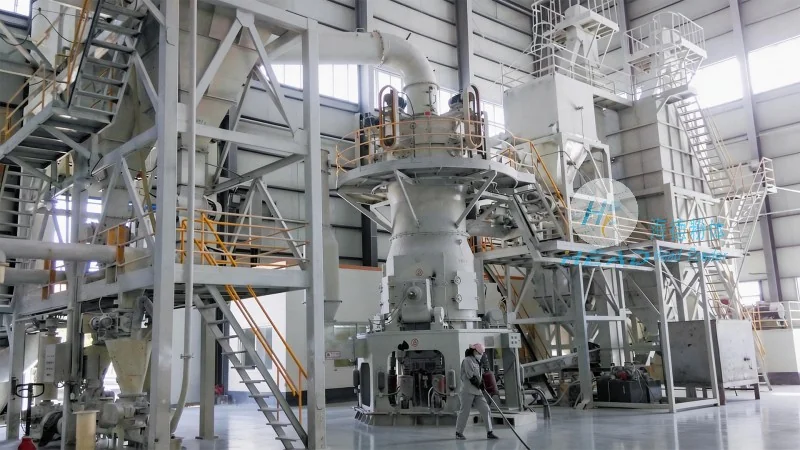
Positive pressure transport, also known as pressure blow, utilizes compressed air or gas to force sodium carbonate from the source to the destination. This method is particularly effective for handling bulk materials that are prone to caking or bridging, as the constant pressure helps maintain the flow of the material. The system typically includes a hopper, a rotary valve, and a conveyor line equipped with pressure vessels. The positive pressure ensures that the material is continuously moved, reducing the risk of blockages and ensuring consistent delivery. For sodium carbonate, which can be hygroscopic and prone to absorbing moisture from the air, a positive pressure system can help maintain the material's quality by minimizing exposure to ambient conditions.
Negative Pressure Transport: Advantages and Applications
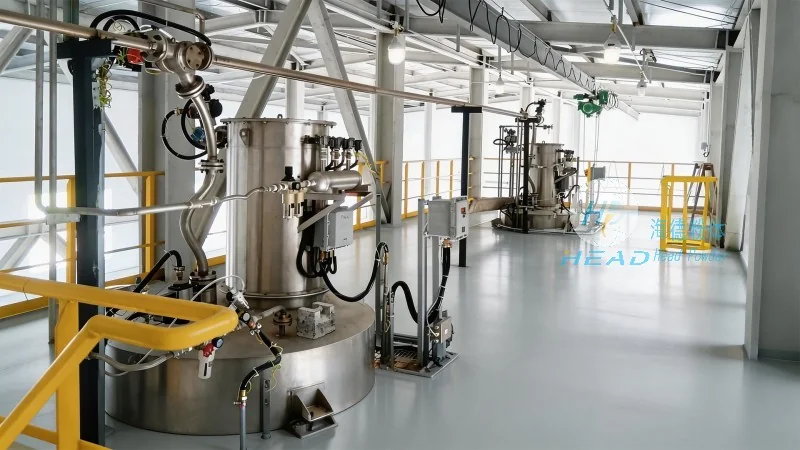
Negative pressure transport, or vacuum suction, operates by creating a vacuum in the system to draw sodium carbonate from the source to the destination. This method is often preferred for materials that are light in weight or have a tendency to generate dust, as the vacuum helps control dust emissions and maintain a clean environment. The system consists of a vacuum pump, a suction hopper, and a flexible hose or ductwork. Negative pressure transport is suitable for short to medium distances and for handling materials that are sensitive to pressure changes or mechanical stress. However, it may be less efficient for transporting large quantities of sodium carbonate over long distances due to the energy consumption associated with maintaining the vacuum.
Distinguishing Between Positive and Negative Pressure Transport
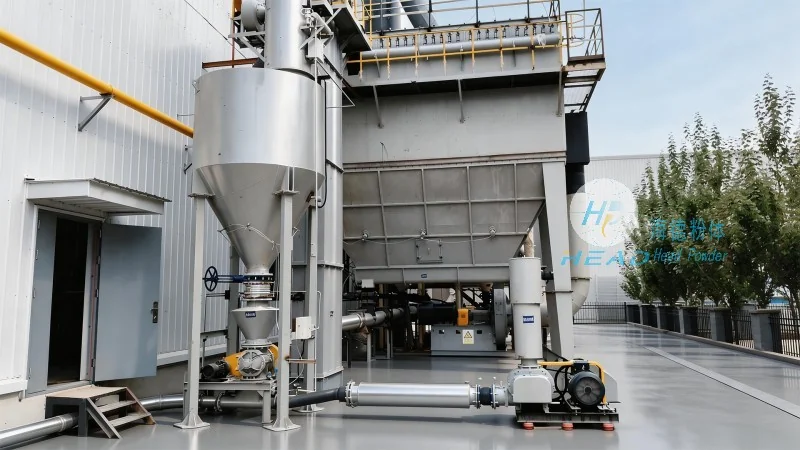
When deciding between positive and negative pressure transport for sodium carbonate, several factors should be considered. The first is the distance between the source and the destination. Positive pressure systems are generally more suitable for longer distances as they can maintain consistent pressure over extended lengths of pipe. Negative pressure systems are better for shorter distances where the vacuum can be effectively maintained without excessive energy consumption. The second factor is the physical properties of the sodium carbonate, such as its particle size, moisture content, and tendency to clog. If the material is prone to caking or has a high moisture content, a positive pressure system may be more appropriate to prevent blockages. Conversely, if the material is light and dusty, a negative pressure system can help contain dust and maintain a cleaner operation. The third factor is the operational cost and energy efficiency. Positive pressure systems may require more energy to maintain the pressure, while negative pressure systems can be more energy-efficient for short distances but may incur higher maintenance costs due to the vacuum pump. Additionally, the system's complexity and maintenance requirements should be evaluated. Positive pressure systems may have more moving parts and require regular checks to ensure that the pressure vessels and valves are functioning correctly. Negative pressure systems, while simpler in design, may need more frequent cleaning of the suction hoses and filters to prevent dust buildup.
Conclusion and Company Information
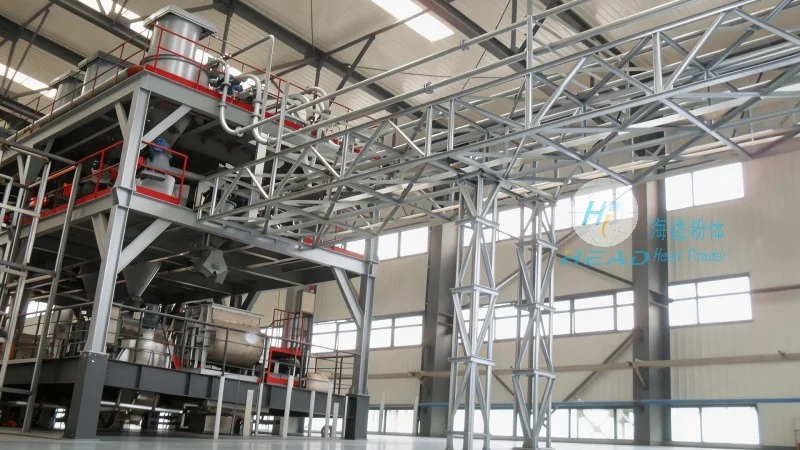
Choosing the right transport method for sodium carbonate is essential to ensure efficient and safe operation. Positive pressure transport offers reliability and consistency, especially for materials prone to caking, while negative pressure transport provides a cleaner and more dust-controlled environment for lighter or more sensitive materials. By evaluating the distance, material properties, and operational costs, businesses can select the most suitable method for their needs. Shandong HeadPowder Engineering Co., Ltd., a leading provider of bulk material handling solutions, specializes in designing and manufacturing transport systems tailored to the specific requirements of sodium carbonate and other bulk chemicals. With a focus on quality and customer satisfaction, HeadPowder offers comprehensive solutions that enhance the efficiency and safety of material transport processes. Located in Shandong, China, HeadPowder leverages its expertise to deliver innovative and reliable systems that meet the evolving needs of the chemical industry.