When handling nanomaterials used in lithium-ion batteries, selecting the appropriate conveying method is critical for ensuring efficiency, safety, and material integrity. Two primary methods often considered are positive pressure conveying and negative pressure conveying. Understanding the distinctions between these approaches is essential for manufacturers to make informed decisions that align with their operational needs and material characteristics.
Understanding Positive Pressure Conveying
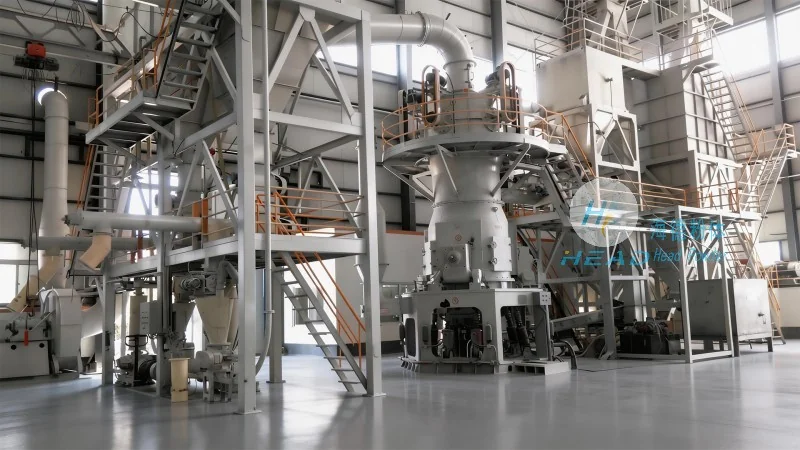
Positive pressure conveying involves using a positive pressure source, such as a blower or fan, to force material through a system. This method is commonly used for materials that are prone to dust generation or require controlled air flow to prevent contamination. In the context of lithium-ion battery nanomaterials, positive pressure systems can effectively transport powders while maintaining a sealed environment, reducing the risk of exposure to airborne particles. The headpowder engineering team at Shandong HeadPowder Engineering Co., Ltd. specializes in designing positive pressure conveying solutions tailored to the unique properties of battery nanomaterials, ensuring optimal performance and safety in production environments.
Differentiating Negative Pressure Conveying
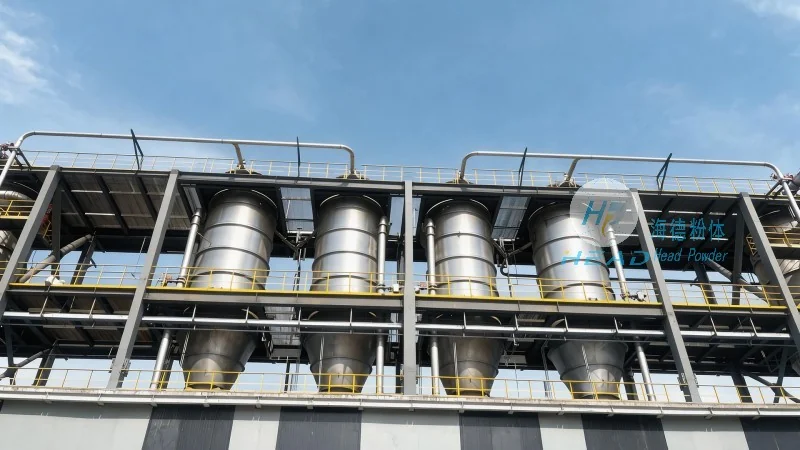
Negative pressure conveying, on the other hand, operates by creating a vacuum or negative pressure within the system to draw material from a source. This method is particularly suitable for materials that are sensitive to air exposure or require a clean, dust-free environment. Negative pressure systems are often preferred when handling materials that may be hygroscopic or reactive to atmospheric conditions. For lithium-ion battery nanomaterials, negative pressure conveying can help maintain a controlled atmosphere, minimizing the risk of oxidation or contamination during transport. Shandong HeadPowder Engineering Co., Ltd. offers negative pressure conveying solutions that prioritize material purity and process reliability, supporting manufacturers in achieving high-quality battery components.
Key Factors to Consider in Selection
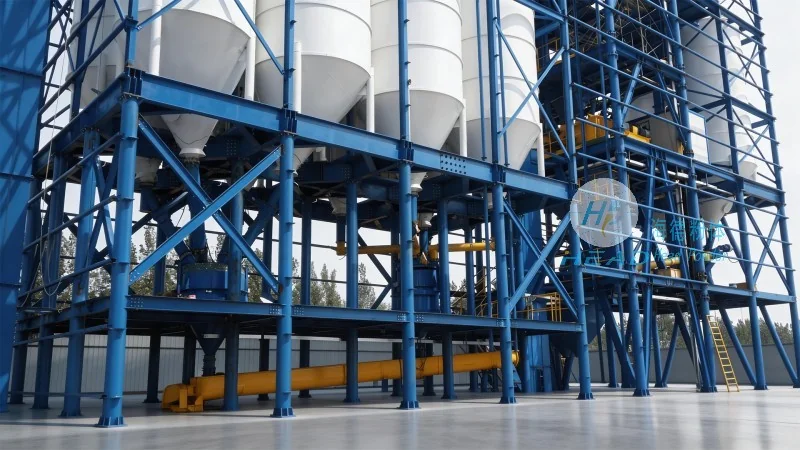
The choice between positive and negative pressure conveying depends on several key factors, including the material's physical properties, the production environment, and the desired level of control. For instance, materials with high dust generation or those that are lightweight may benefit from positive pressure systems due to their ability to maintain consistent flow rates. Conversely, materials that are hygroscopic or reactive to air may require negative pressure conveying to prevent degradation. Additionally, the scale of the operation and the need for containment or environmental compliance can influence the decision. Shandong HeadPowder Engineering Co., Ltd. conducts thorough assessments of these factors to recommend the most suitable conveying method for each client's specific requirements, ensuring that the chosen system enhances productivity while adhering to industry standards.
Conclusion: Making the Right Choice for Lithium-Ion Battery Nanomaterial Handling
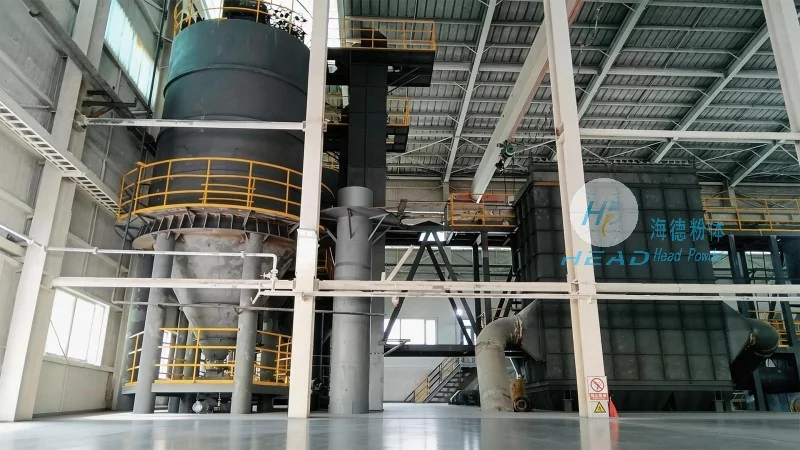
Ultimately, the decision between positive and negative pressure conveying for lithium-ion battery nanomaterials hinges on balancing operational efficiency, material safety, and process reliability. By understanding the characteristics of each method and aligning them with the specific needs of the production process, manufacturers can optimize their conveying systems. Shandong HeadPowder Engineering Co., Ltd., with its expertise in powder handling technology, provides tailored solutions that address the unique challenges of lithium-ion battery manufacturing. Whether positive or negative pressure is the better fit, the company's commitment to quality and innovation ensures that clients receive systems that enhance performance and support sustainable battery production. With a focus on practical, industry-specific solutions, Shandong HeadPowder Engineering Co., Ltd. remains a trusted partner for businesses seeking to improve their nanomaterial handling processes.




