Understanding the dry flue gas desulfurization (FGD) ash material conveying line is crucial for industries dealing with flue gas treatment and waste management. This system is specifically designed to handle the ash generated from the dry FGD process, which is a key component in reducing sulfur dioxide emissions from power plants and other industrial facilities. The conveying line efficiently transports the dry ash from the desulfurization unit to storage or disposal sites, ensuring a smooth and controlled operation. Companies like Shandong HeadPowder Engineering Co., Ltd. specialize in designing and manufacturing such systems to meet the needs of various industrial applications.
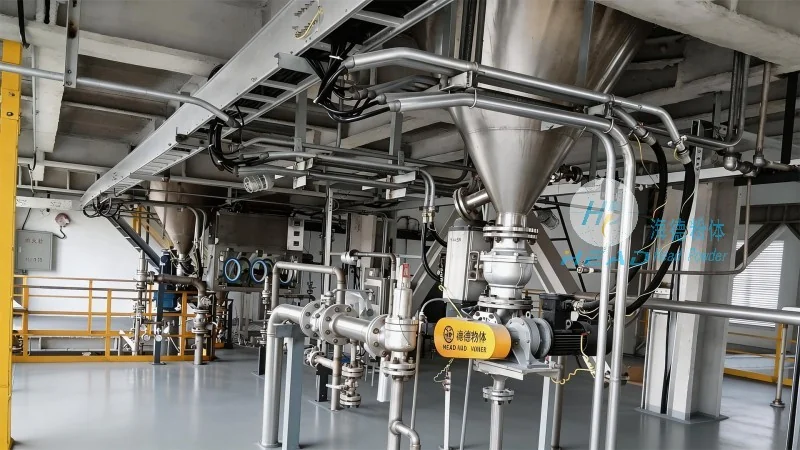
Overview of the Dry FGD Ash Material Conveying Line
The dry FGD ash material conveying line is an integral part of the flue gas desulfurization system. It operates by transporting the dry, fine ash produced during the removal of sulfur dioxide from flue gases. Unlike wet FGD systems that produce a slurry, the dry FGD process results in a dry powder, which requires specialized equipment for handling and transport. The conveying line typically consists of components such as feeders, conveyors (like screw conveyors or pneumatic systems), and control mechanisms to ensure the ash is moved safely and efficiently. This system is designed to maintain the integrity of the ash, preventing moisture content from affecting its handling properties and ensuring compliance with environmental regulations.
Design Principles of the Conveying Line
The design of the dry FGD ash material conveying line is based on several key principles to ensure optimal performance and reliability. First, the system must be capable of handling the specific characteristics of the dry ash, including its particle size distribution, moisture content, and flowability. The design considers the mechanical properties of the ash to select appropriate conveyor types and materials of construction. For instance, screw conveyors are commonly used for horizontal or slight incline transport due to their ability to handle dry powders without clogging, while pneumatic conveying systems may be employed for longer distances or vertical transport, utilizing air pressure to move the ash through pipelines.
Second, the conveying line is designed with safety and environmental considerations in mind. The system incorporates dust suppression measures to minimize airborne particulate emissions, which is critical for maintaining air quality and protecting personnel. Additionally, the design includes proper sealing and ventilation to prevent the release of hazardous substances. The control systems are integrated to monitor parameters such as pressure, flow rate, and temperature, ensuring the line operates within safe limits and alerts operators to any anomalies.
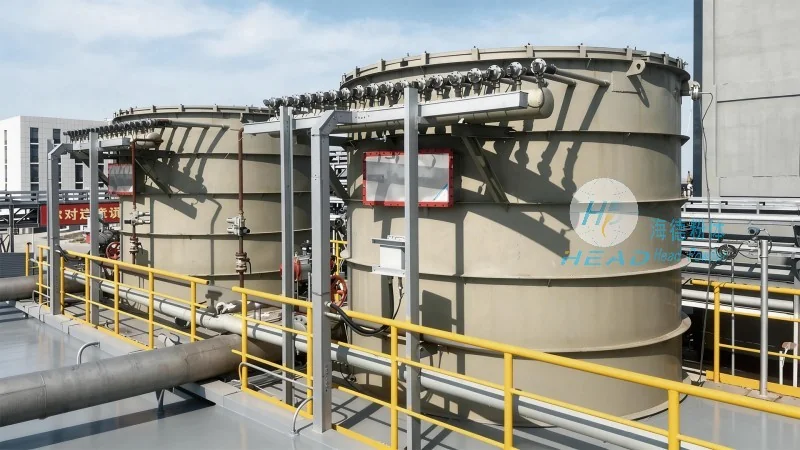
Components and Their Functions
The dry FGD ash material conveying line comprises several key components, each playing a vital role in the overall operation. The ash feeder is the initial component, responsible for collecting the dry ash from the desulfurization unit and feeding it into the conveyor system. This component must be designed to handle the specific characteristics of the ash, such as its bulk density and flow properties, to ensure a consistent feed rate. The conveyor itself is the core of the system, transporting the ash from the feeder to the discharge point. Different types of conveyors may be used depending on the application, including screw conveyors for low to medium capacity and pneumatic conveyors for higher capacity or longer distances.
The control system is another critical component, managing the operation of the conveying line. It includes sensors and control panels that monitor and regulate the flow rate, pressure, and temperature. The system may also include automatic start-up and shut-down sequences to ensure safe operation and prevent overloading. Additionally, the conveying line is equipped with safety features such as emergency stop buttons and interlocks to prevent accidents and protect personnel.
Advantages of the Dry FGD Ash Material Conveying Line
Implementing a dry FGD ash material conveying line offers several advantages over traditional wet systems. One of the primary benefits is the reduction in water usage, as the dry process eliminates the need for large volumes of water for slurry handling. This not only conserves water resources but also reduces the cost associated with water treatment and disposal. Additionally, the dry ash is easier to handle and transport, as it does not require specialized equipment for slurry management. The dry system also reduces the risk of corrosion and scaling in the conveying equipment, extending the lifespan of the system and reducing maintenance costs.
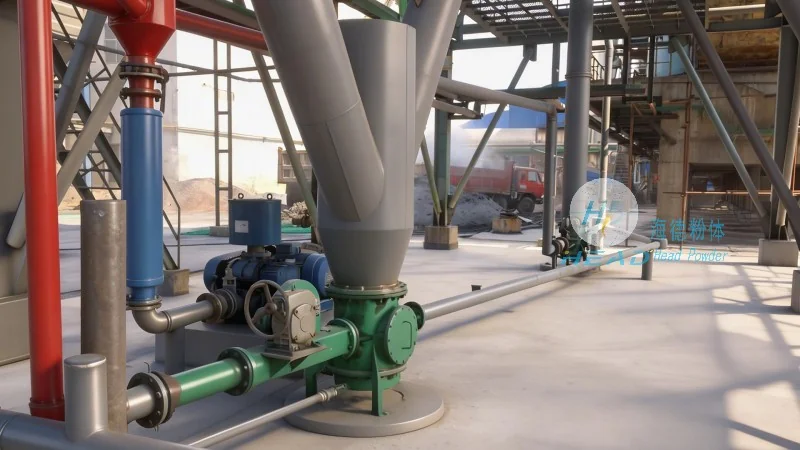
Another advantage is the improved environmental performance. The dry FGD process results in a higher quality ash that can be used as a byproduct in construction materials, such as cement or concrete. This not only reduces the environmental impact by recycling the ash but also provides an economic benefit to the plant operator. The conveying line's design ensures that the ash is handled in a controlled manner, minimizing dust emissions and preventing contamination of the surrounding environment.
Applications and Industries
The dry FGD ash material conveying line is widely used in various industries, particularly in power generation and industrial manufacturing. Power plants that use coal or other fossil fuels as fuel rely on FGD systems to reduce sulfur dioxide emissions, and the conveying line is essential for managing the ash produced. Other industries, such as steel mills and chemical plants, also use FGD systems to treat their flue gases and manage the resulting ash. The versatility of the conveying line allows it to be adapted to different applications, from small-scale plants to large industrial facilities.
In summary, the dry FGD ash material conveying line is a critical component of modern flue gas desulfurization systems. Its design and operation are tailored to handle the specific characteristics of dry ash, ensuring efficient transport while maintaining safety and environmental compliance. The system's advantages, including reduced water usage, improved environmental performance, and economic benefits, make it a preferred choice for industries seeking to minimize their environmental impact and optimize their operations. Shandong HeadPowder Engineering Co., Ltd. continues to innovate in this field, providing reliable and efficient conveying solutions for clients across China and beyond.




