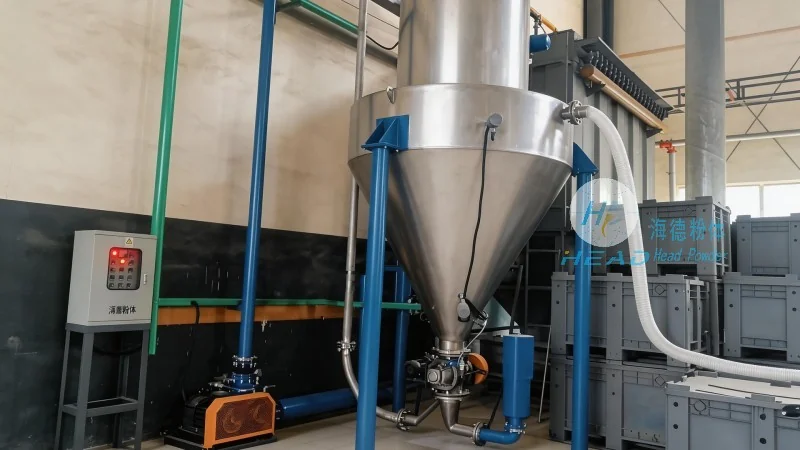
For industries dealing with coal and stone powder, efficient material handling is crucial for operational efficiency and safety. A coal and stone powder material conveying line is a specialized system engineered to transport these materials from one location to another within a processing facility or industrial site. This system combines various components such as hoppers, feeders, conveyors, and control mechanisms to ensure the smooth and safe movement of bulk materials like coal, stone powder, and other similar powders. The design of such a conveying line is tailored to meet the specific characteristics of the materials being handled, including their particle size, density, and flow properties.
Key Components of a Coal and Stone Powder Conveying Line
The effectiveness of a coal and stone powder material conveying line relies on its integrated components, each serving a critical role in the material handling process. The primary components typically include:
- Hoppers and Feeders: These are the initial stages of the conveying system. Hoppers are used to store and feed the bulk material into the system, while feeders regulate the flow rate to ensure consistent and controlled material input. For coal and stone powder, which can be abrasive and have varying flow characteristics, specialized feeders like vibratory feeders or screw feeders are often employed to maintain a steady flow and prevent blockages.
- Conveyors: The core of the material conveying line, conveyors transport the material horizontally or vertically. Common types used in coal and stone powder applications include belt conveyors, screw conveyors, and pneumatic conveyors. Belt conveyors are widely used for horizontal and slight incline transport due to their high load capacity and durability. Screw conveyors are ideal for vertical or inclined transport, especially when the material has a tendency to stick or requires precise positioning. Pneumatic conveyors use air pressure to move the material through pipes, which is suitable for fine powders that might be prone to dust and require enclosed transport.
- Control Systems: Modern coal and stone powder conveying lines are equipped with advanced control systems that monitor and regulate the operation. These systems include sensors for level detection, flow measurement, and pressure monitoring. They also integrate with the feeder and conveyor controls to adjust the speed and flow rate in real-time, ensuring optimal performance and preventing overloading or underflow. Additionally, safety features such as emergency stop buttons and overload protection are integrated to enhance operational safety.
Design Principles for Coal and Stone Powder Conveying Lines
The design of a coal and stone powder material conveying line is guided by several key principles to ensure efficiency, reliability, and safety. These principles are tailored to the unique properties of coal and stone powder, which can be abrasive, dusty, and have varying flow characteristics. The main design principles include:
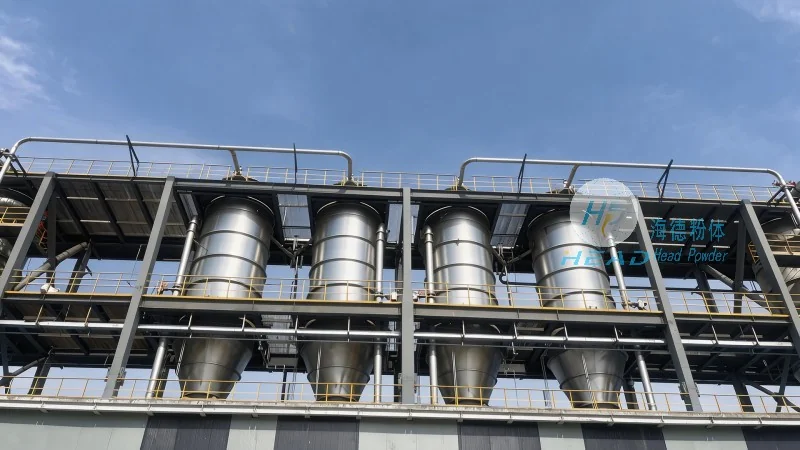
- Material Compatibility: The materials used in the conveying line, such as the conveyor belts, hoppers, and feeders, must be compatible with the coal and stone powder. This involves selecting materials that are resistant to abrasion, corrosion, and wear. For example, conveyor belts made of rubber or polyurethane are commonly used due to their durability and resistance to the abrasive nature of coal and stone powder. Hoppers and feeders are often lined with wear-resistant materials like rubber or steel to extend their service life.
- Flow Optimization: Proper design of the conveying line ensures that the material flows smoothly without blockages or segregation. This involves considering the particle size distribution, density, and moisture content of the coal and stone powder. The inclination of the conveyor is carefully calculated to prevent material sticking or bridging, which can lead to blockages. Additionally, the use of vibratory feeders or air knives can help break up agglomerates and maintain a consistent flow.
- Energy Efficiency: The design aims to minimize energy consumption while maintaining high throughput. This is achieved through the selection of efficient conveyor types, such as belt conveyors with low friction, and the optimization of the system's speed and flow rate. The control systems play a crucial role in adjusting the conveyor speed based on the material load, ensuring that energy is used only when necessary.
- Safety and Environmental Considerations: The design incorporates safety features to protect operators and the environment. This includes dust suppression systems to control airborne particles, which is essential for handling fine powders like stone powder. The system may also include enclosures to contain dust and prevent it from escaping into the environment. Additionally, the design ensures that the equipment is easy to access for maintenance and cleaning, reducing the risk of accidents and improving overall safety.
Applications of Coal and Stone Powder Conveying Lines
Coal and stone powder material conveying lines are widely used in various industries, including mining, power generation, and construction. In the mining industry, these systems are used to transport coal from the mine to processing facilities or storage areas. In power plants, they are used to transport coal to the boilers for combustion. In construction, they are used to transport stone powder for concrete production or other building materials. The versatility of these conveying lines makes them suitable for a wide range of applications, from small-scale operations to large industrial facilities.
Customization and Integration
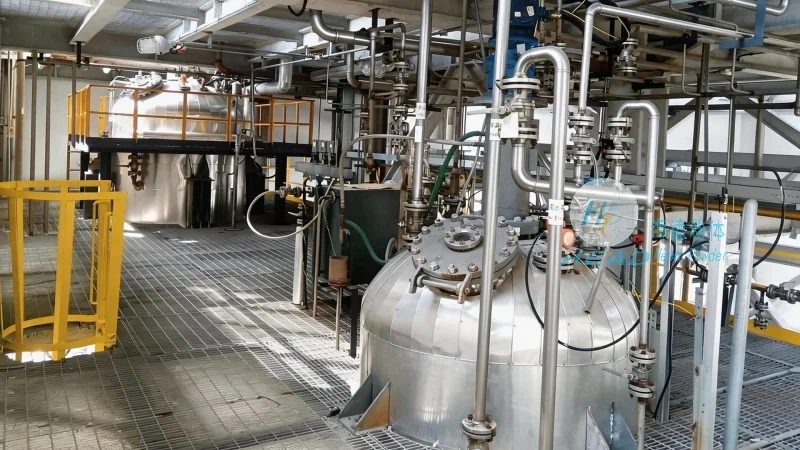
Coal and stone powder conveying lines are often customized to meet the specific needs of each application. The design process involves a thorough analysis of the material characteristics, operational requirements, and site constraints. This includes considering the distance to be covered, the height of the vertical lift, and the required throughput. The conveying line can be integrated with other processing equipment, such as crushers, grinders, or classifiers, to form a complete material handling system. The integration ensures that the material is processed efficiently and that the overall system operates smoothly.
Maintenance and Operational Considerations
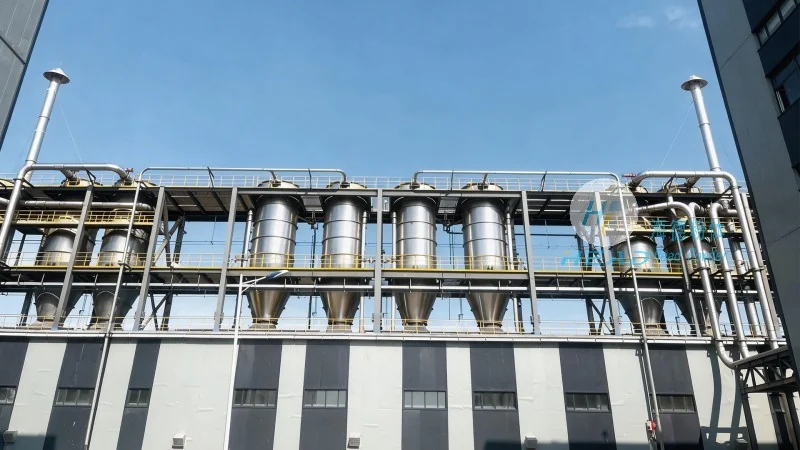
Proper maintenance is essential to ensure the long-term performance and reliability of a coal and stone powder material conveying line. Regular maintenance includes checking the conveyor belts for wear and tear, lubricating moving parts, and cleaning the system to prevent dust accumulation. The control systems should be regularly calibrated to ensure accurate monitoring and control. Additionally, operators should be trained on the proper operation and maintenance of the system to prevent accidents and ensure optimal performance.
Shandong HeadPowder Engineering Co., Ltd., a leading manufacturer of material handling equipment, specializes in designing and manufacturing coal and stone powder material conveying lines. With years of experience in the industry, the company provides customized solutions tailored to the specific needs of its clients. The company's products are known for their durability, efficiency, and reliability, making them a preferred choice for industries dealing with coal and stone powder. HeadPowder's commitment to quality and customer satisfaction has made it a trusted name in the material handling industry.




