Understanding the cement and mineral powder material conveying line is essential for industries that rely on the efficient transportation of bulk materials. This system is specifically designed to handle the movement of fine powders such as cement, fly ash, and other mineral powders, ensuring smooth and reliable operation in various industrial applications. The design principles behind these conveying lines are critical to optimizing performance, minimizing downtime, and maintaining product quality throughout the material handling process.
Introduction to Cement and Mineral Powder Material Conveying Lines
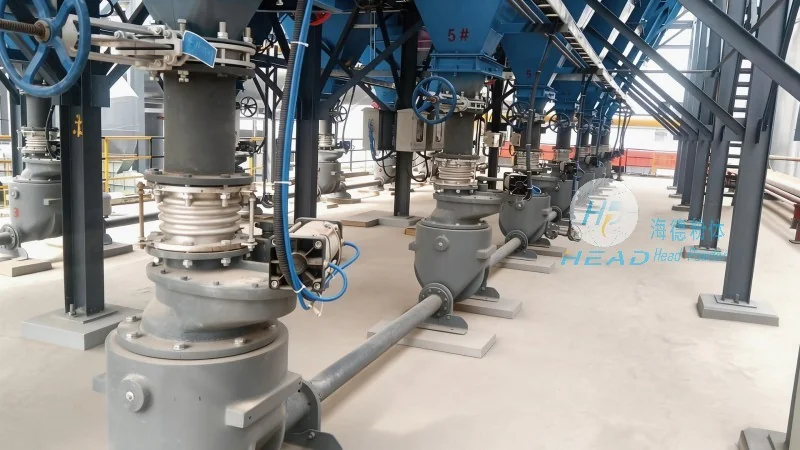
A cement and mineral powder material conveying line is a specialized system engineered to transport dry, fine powders from one location to another within industrial facilities. These systems are commonly used in construction, cement production, mining, and other sectors where large volumes of powder materials need to be moved efficiently. The primary goal of such a line is to ensure that the material is transported without segregation, degradation, or loss, while maintaining a consistent flow rate and pressure. The design of these systems must account for the unique properties of the materials being handled, including their particle size, density, and flow characteristics.
Key Components of a Cement and Mineral Powder Conveying Line
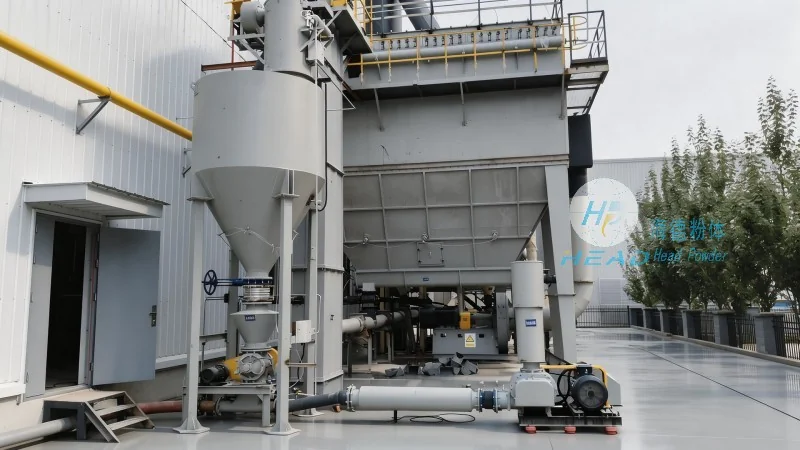
The effectiveness of a cement and mineral powder material conveying line depends on several key components that work in tandem to achieve optimal performance. These components include feeders, conveyors, control systems, and dust collection equipment. Each component plays a crucial role in the overall operation of the system. For instance, feeders are responsible for uniformly feeding the material into the conveyor, preventing blockages and ensuring a steady flow. The conveyor itself, which can be a screw conveyor, pneumatic conveyor, or belt conveyor, is designed to transport the material over long distances. Control systems monitor and regulate the flow rate, pressure, and other parameters to maintain consistent operation. Dust collection systems are also essential to ensure a safe and clean working environment by capturing and filtering airborne particles.
Design Principles for Optimal Performance
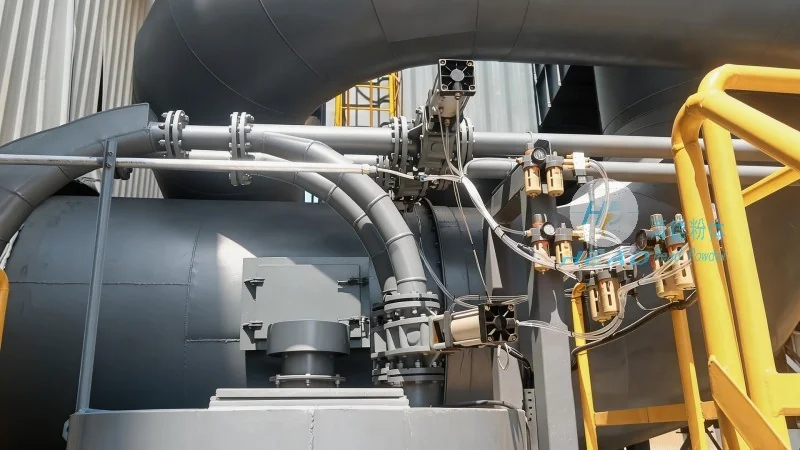
The design principles of a cement and mineral powder material conveying line are centered on several key factors that influence efficiency and reliability. First, the system must be designed to handle the specific properties of the material, such as its particle size distribution, moisture content, and flowability. This involves selecting appropriate equipment and materials that can withstand the abrasive nature of the powders and prevent wear and tear. Second, the design must consider the required capacity and distance of material transport. The conveyor's speed, diameter, and length are all determined based on these parameters to ensure that the material is moved within the desired time frame. Third, the system must incorporate safety features to protect operators and prevent accidents. This includes proper sealing, explosion-proof designs, and emergency stop mechanisms. Finally, the design should prioritize ease of maintenance and cleaning to minimize downtime and extend the lifespan of the equipment.
Applications and Benefits of Cement and Mineral Powder Conveying Lines
Cement and mineral powder material conveying lines are widely used in various industrial applications due to their versatility and efficiency. In the cement industry, these systems are used to transport raw materials such as limestone and clay to the grinding mills, as well as to move finished cement products to storage silos or loading facilities. In mining operations, they are used to transport ore and mineral powders from processing plants to storage or shipping areas. The benefits of using such a system include increased productivity, reduced labor costs, and improved safety. By automating the material handling process, companies can achieve higher throughput and lower operational costs. Additionally, the use of proper dust collection systems helps to maintain a clean and safe working environment, reducing the risk of respiratory illnesses and other health hazards associated with fine powders.
Conclusion
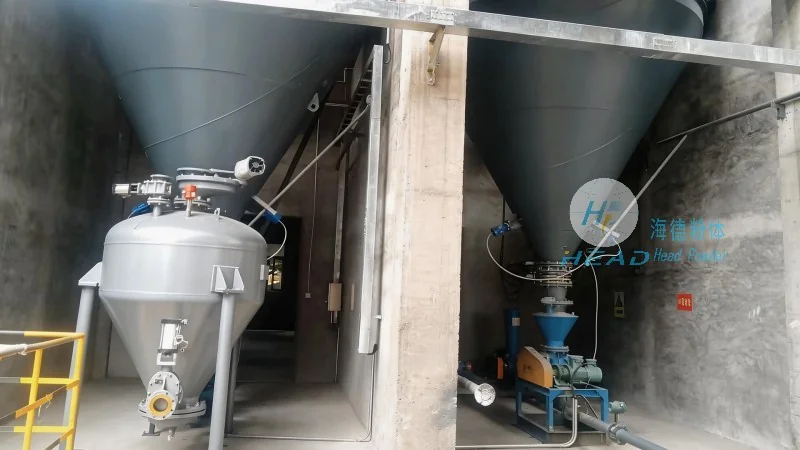
In conclusion, a cement and mineral powder material conveying line is a critical component in many industrial processes, designed to efficiently transport fine powders while maintaining product quality and operational safety. The design principles behind these systems are carefully considered to address the unique challenges of handling such materials, ensuring that the system operates reliably and efficiently. As industries continue to demand higher productivity and better safety standards, the importance of well-designed conveying lines will only grow. By understanding the key components and design principles, companies can select and implement the most suitable system for their specific needs, leading to improved performance and reduced operational costs.




