Flaky graphite material conveying lines are specialized industrial systems engineered to handle the unique properties of flaky graphite, a high-value mineral widely used in various industries such as refractories, lubricants, and battery technology. These systems are designed to efficiently transport flaky graphite from raw material storage to processing or packaging stages, ensuring minimal loss and optimal material integrity. As a leading provider in the field, Shandong HeadPowder Engineering Co., Ltd. specializes in developing customized conveying solutions tailored to the specific demands of flaky graphite handling operations.
Key Design Principles for Flaky Graphite Conveying Systems
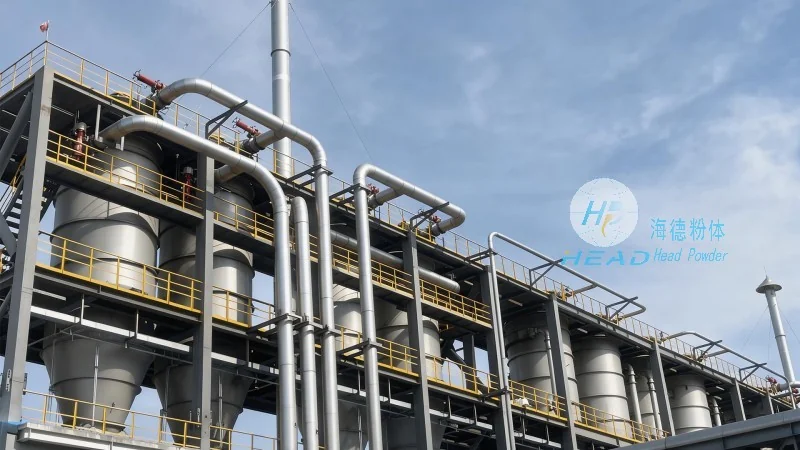
The design of a flaky graphite material conveying line is governed by several critical principles aimed at preserving the material's delicate structure and ensuring reliable operation. First, the system must incorporate gentle handling mechanisms to prevent the flaky graphite particles from breaking or agglomerating, which could compromise their quality and performance. This is typically achieved through the use of low-friction components, such as rubber or polyurethane liners, and slow-moving conveyor belts or rollers that minimize mechanical stress. Second, the conveying line is designed to maintain a consistent material flow rate, which is essential for maintaining uniform product quality and preventing overloading or underloading of downstream equipment. The system often includes variable speed drives and flow control devices to regulate the movement of flaky graphite, ensuring smooth and continuous operation.
Structural Components and Their Functions
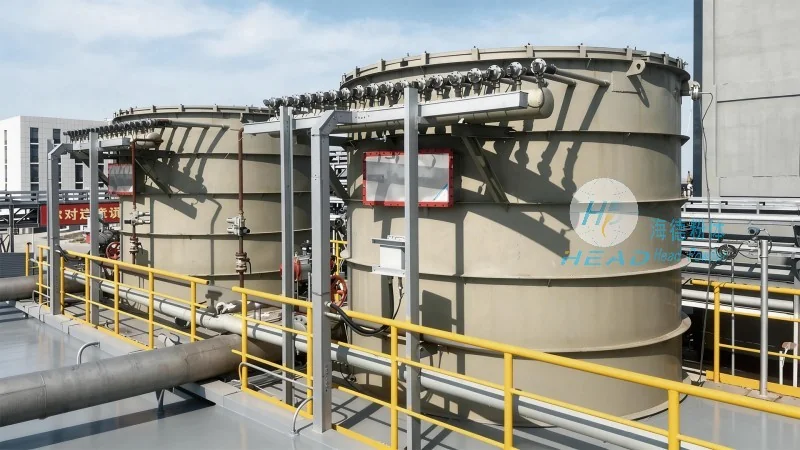
A typical flaky graphite material conveying line consists of several key components, each playing a vital role in the overall functionality of the system. The primary components include the hopper or feed bin, which serves as the initial storage and feeding unit, the conveyor belt or screw conveyor for transporting the material, the idler rollers and tensioning mechanisms to maintain proper belt alignment and tension, and the control panel for monitoring and adjusting the system's operation. The hopper is designed with a sloped interior to facilitate the flow of flaky graphite, reducing the risk of material bridging or clogging. The conveyor belt, often made of a flexible, non-stick material like PTFE-coated fabric, is chosen to minimize friction and prevent the adhesion of graphite particles, which could lead to belt wear or material loss. The idler rollers are strategically placed to support the belt and maintain its tension, ensuring consistent material transport without excessive stress on the belt or the material.
Material Handling Considerations for Flaky Graphite
Handling flaky graphite requires special attention due to its unique physical properties. Flaky graphite is characterized by its thin, plate-like structure, which makes it prone to breakage, agglomeration, and static charge accumulation. To address these challenges, the conveying line is designed with features that minimize mechanical impact and static buildup. For instance, the use of smooth, rounded idler rollers and low-friction conveyor belts reduces the risk of particle breakage during transport. Additionally, the system may include static elimination devices, such as grounding straps or ionizers, to prevent static charge buildup that could attract dust or cause material sticking. The hopper and conveyor sections are also equipped with dust collection systems to maintain a clean and safe working environment, as flaky graphite is a fine powder that can create respiratory hazards if inhaled.
Control and Automation Systems
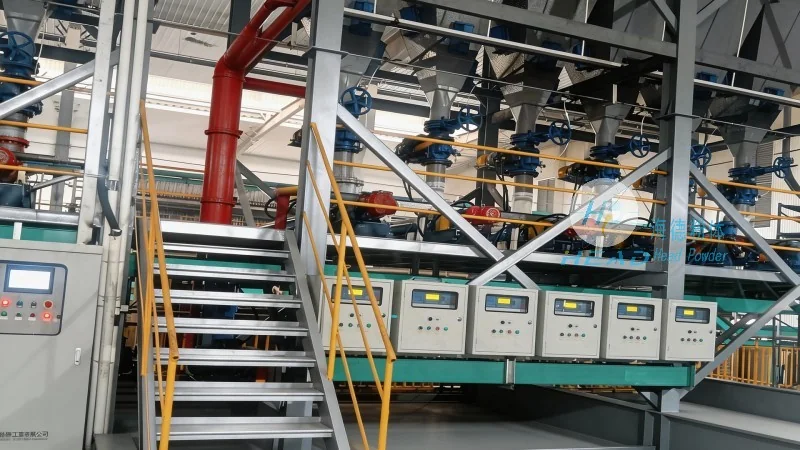
Modern flaky graphite material conveying lines are equipped with advanced control and automation systems to enhance operational efficiency and safety. These systems typically include programmable logic controllers (PLCs), sensors, and human-machine interfaces (HMIs) that allow operators to monitor and adjust the system's parameters in real-time. The PLCs control the speed of the conveyor, the opening and closing of the hopper gates, and the activation of cleaning or maintenance functions. Sensors, such as level sensors in the hopper and position sensors on the conveyor, provide feedback on the material level and system status, enabling automatic adjustments to maintain optimal performance. The HMI provides a user-friendly interface for operators to view system data, receive alerts, and perform routine maintenance tasks. This automation not only improves the reliability and consistency of the conveying process but also reduces the need for manual intervention, minimizing the risk of human error and enhancing overall productivity.
Customization and Application-Specific Solutions
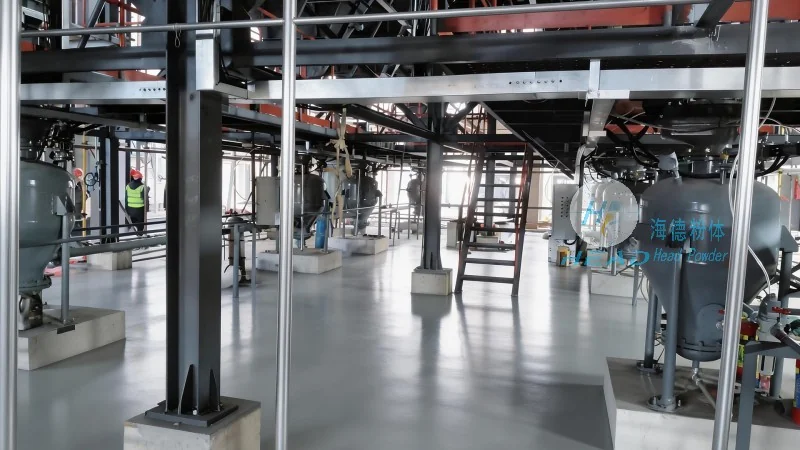
Shandong HeadPowder Engineering Co., Ltd. recognizes that each flaky graphite handling operation has unique requirements, and therefore, offers customized conveying solutions tailored to specific applications. The company's engineers work closely with clients to understand their production volumes, material characteristics, and operational constraints, then design a conveying line that meets their exact needs. For example, for high-volume production lines, the system may include multiple conveyor sections, such as a primary conveyor for bulk transport and a secondary conveyor for precise dosing. For applications requiring precise material control, such as in battery manufacturing, the system may incorporate gravimetric feeders or variable speed drives to ensure accurate material delivery. The company also considers environmental factors, such as noise reduction and energy efficiency, in the design of its conveying lines, ensuring that the systems are not only effective but also environmentally friendly.




