HeadPowder, a leading enterprise in the field of pneumatic conveying systems, specializes in the design, manufacturing, and implementation of advanced solutions for cement powder transportation. This article provides a comprehensive overview of the key technologies involved in cement powder pneumatic conveying, focusing on both vacuum and positive pressure systems, and their practical applications in industrial settings.
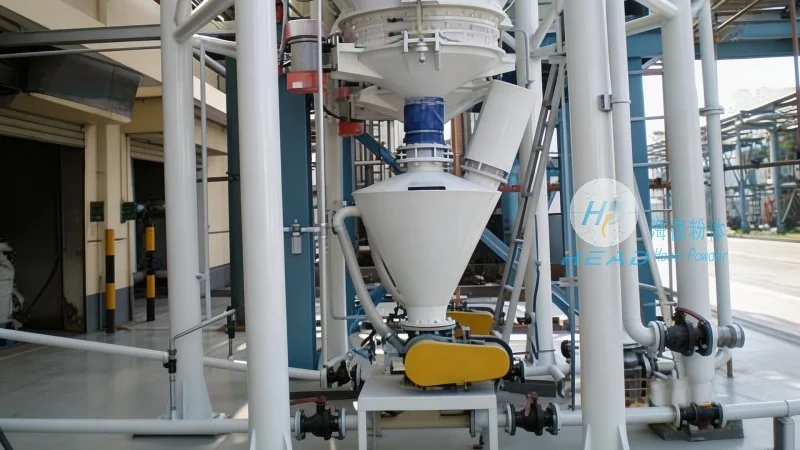
As a professional provider based in Shandong, China, HeadPowder Engineering Co., Ltd. leverages decades of experience to deliver customized pneumatic conveying solutions tailored to the unique demands of cement production and processing facilities. The company’s expertise lies in understanding the specific challenges associated with cement powder, such as its fine particle size, high moisture content, and abrasive nature, and developing systems that ensure efficient, reliable, and cost-effective material handling.
Vacuum Pneumatic Conveying Systems for Cement Powder
Vacuum pneumatic conveying systems are widely used in cement powder handling due to their ability to transport materials over moderate distances while maintaining low pressure differentials. These systems operate by creating a negative pressure environment at the inlet, which draws the cement powder from the source into the conveying line. The primary components of a vacuum system include a vacuum pump, a filter, a silencer, and a discharge valve. The vacuum pump generates the necessary suction force, while the filter removes dust and particulate matter from the air stream, ensuring compliance with environmental regulations and maintaining system efficiency.
One of the key advantages of vacuum conveying is its suitability for applications where the material source is located at a higher elevation than the destination. This is particularly beneficial in cement plants where raw materials are stored in silos or hoppers at elevated levels, and the finished product needs to be transported to lower-level storage or processing units. Vacuum systems are also effective for handling sensitive materials that may be damaged by high-pressure impacts, as the low velocity of the material in the conveying line minimizes wear and tear.
Positive Pressure Pneumatic Conveying Systems for Cement Powder
In contrast to vacuum systems, positive pressure systems operate by forcing air or gas through the conveying line under pressure, pushing the cement powder from the source to the destination. These systems are typically more suitable for longer transport distances and higher material flow rates, as they can maintain higher pressure differentials and handle larger volumes of material. The main components of a positive pressure system include a blower, a filter, a silencer, and a discharge valve. The blower provides the necessary pressure to move the material, while the filter and silencer manage air quality and noise levels.
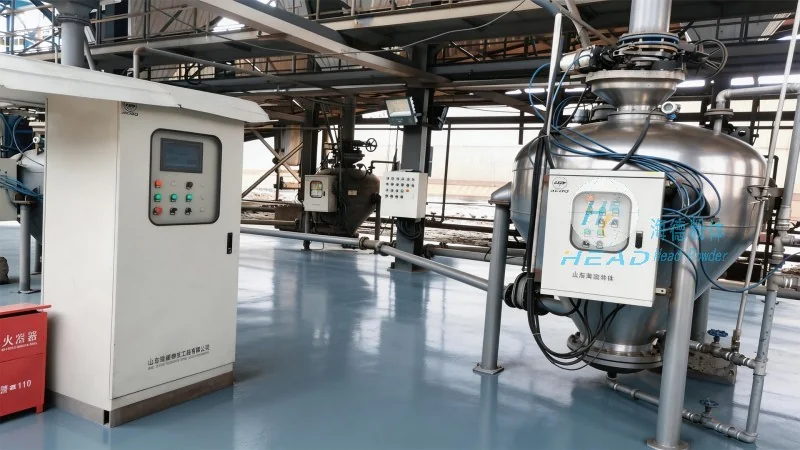
Positive pressure systems are often preferred in applications where the material source is at a lower elevation than the destination, such as transporting cement from ground-level storage to elevated silos or processing equipment. They are also effective for handling materials that are prone to caking or agglomeration, as the high velocity of the air stream helps to break up clumps and maintain a consistent flow. However, positive pressure systems require more robust equipment and higher energy consumption compared to vacuum systems, which can impact operational costs.
Key Considerations for Choosing Between Vacuum and Positive Pressure Systems
The choice between vacuum and positive pressure pneumatic conveying systems for cement powder depends on several factors, including the distance between the source and destination, the material flow rate, the elevation difference, and the specific characteristics of the cement powder. Vacuum systems are generally more energy-efficient for short to medium distances and are ideal for handling fine, sensitive materials. Positive pressure systems, on the other hand, are better suited for longer distances, higher flow rates, and materials that require higher pressure to maintain flow.
HeadPowder Engineering Co., Ltd. offers comprehensive consultation services to help clients evaluate their specific needs and select the most appropriate conveying system. The company’s engineers conduct detailed assessments of the material properties, process requirements, and site conditions to recommend customized solutions that optimize performance, reduce operational costs, and ensure compliance with industry standards.
Applications of Pneumatic Conveying in Cement Industry
Pneumatic conveying systems are integral to the cement production process, facilitating the movement of raw materials, intermediate products, and finished cement from one stage to another. In raw material handling, vacuum systems are commonly used to transport limestone, clay, and other minerals from stockpiles or silos to grinding mills. Positive pressure systems are then used to transport the ground raw materials to the kiln for calcination. For finished cement, both vacuum and positive pressure systems are employed to move the product from the storage silos to packaging facilities or distribution centers.
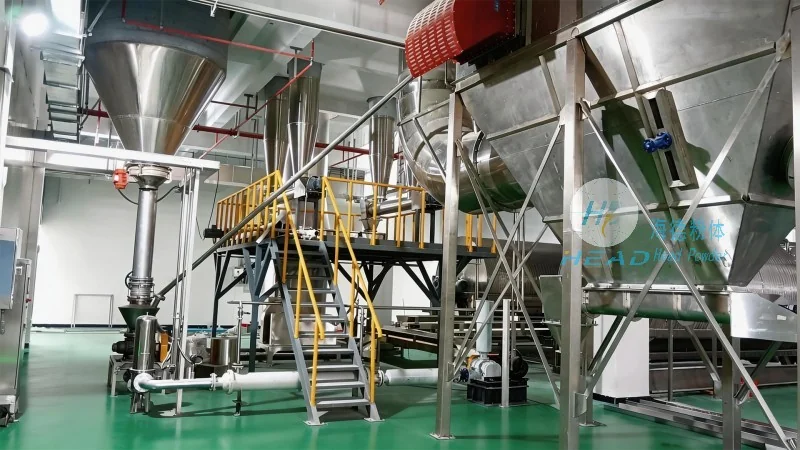
Another critical application is the handling of cement additives, such as gypsum and fly ash, which are often added to the clinker during the grinding process to adjust the cement's properties. Pneumatic conveying systems ensure that these additives are introduced into the grinding mill at a consistent rate, maintaining the quality and consistency of the final product. Additionally, in cement plants with multiple production lines, pneumatic conveying systems enable the transfer of cement between different storage areas, optimizing inventory management and reducing downtime.
Advantages of Pneumatic Conveying for Cement Powder
Compared to traditional mechanical conveying methods, such as belt conveyors or bucket elevators, pneumatic conveying offers several advantages for cement powder. First, it eliminates the need for physical contact between the material and the conveying equipment, reducing wear and tear and minimizing the risk of contamination. This is particularly important for cement, which is often used in applications where purity is critical, such as in construction and manufacturing.
Second, pneumatic systems are highly flexible and can be easily integrated into existing production lines. They can be configured to handle varying material flow rates and can be adjusted to accommodate changes in production schedules or material characteristics. This flexibility makes them ideal for dynamic industrial environments where process conditions may change frequently.
Third, pneumatic conveying systems are energy-efficient, especially when vacuum systems are used. The low pressure differentials required for vacuum operation result in lower energy consumption compared to positive pressure systems, which can operate at higher pressures and consume more power. Additionally, the use of filters and silencers in pneumatic systems helps to reduce noise pollution, making them more suitable for industrial settings where noise control is a concern.
Challenges and Solutions in Cement Powder Pneumatic Conveying
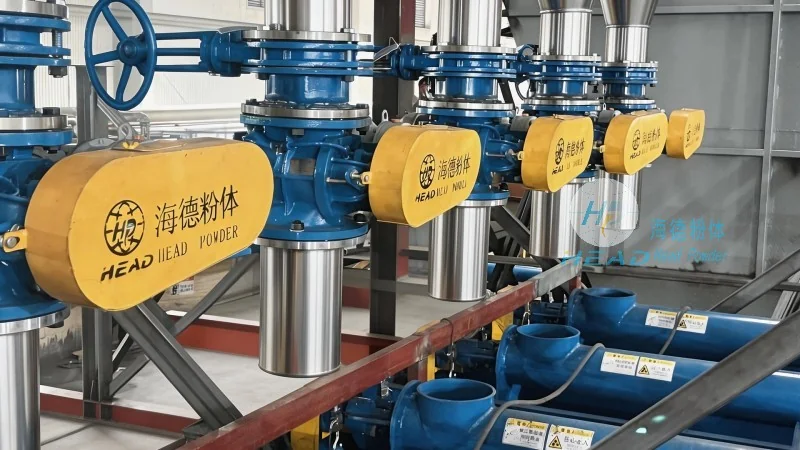
Despite their advantages, pneumatic conveying systems for cement powder can face several challenges, including material clogging, system blockages, and air leakage. Clogging occurs when the cement powder forms clumps or agglomerates, which can obstruct the conveying line and reduce system efficiency. To mitigate this issue, HeadPowder Engineering Co., Ltd. recommends the use of inline mixers or agitators to break up clumps and maintain a consistent flow. Additionally, regular maintenance and cleaning of the filter and silencer are essential to prevent clogging and ensure optimal performance.
Air leakage is another common problem in pneumatic systems, as it can reduce the suction or pressure differentials required for efficient material transport. HeadPowder uses high-quality seals and gaskets in their systems to minimize air leakage, and provides regular maintenance services to identify and repair any leaks. This helps to maintain the system's efficiency and reduce energy consumption.
System blockages can also occur due to the accumulation of dust or particulate matter in the conveying line. To prevent this, the company recommends the use of self-cleaning filters and regular cleaning schedules. Additionally, the design of the conveying line, including the use of bends and elbows with appropriate angles, can help to minimize the risk of blockages and ensure smooth material flow.
Conclusion
HeadPowder Engineering Co., Ltd. provides comprehensive solutions for cement powder pneumatic conveying, leveraging advanced vacuum and positive pressure technologies to meet the diverse needs of the cement industry. By understanding the unique challenges associated with cement powder and offering customized systems, the company helps clients optimize their material handling processes, reduce operational costs, and improve overall efficiency. Whether for raw material transport, finished product handling, or additive integration, pneumatic conveying systems from HeadPowder are designed to deliver reliable, efficient, and cost-effective performance in industrial settings.




