

Types and Practical Applications of Pneumatic Conveying Systems for Alumina Hydroxide Transport
HeadPowder, a leading engineering firm based in Shandong, China, specializes in providing advanced solutions for material handling, particularly in the transportation of alumina hydroxide. This article explores the various types of pneumatic conveying systems used for alumina hydroxide transport and their practical applications in industrial settings.
Pneumatic Conveying Systems: An Overview
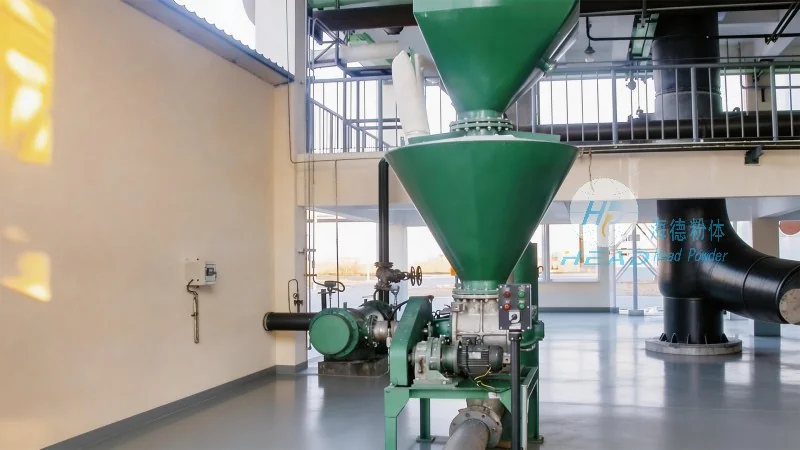
Pneumatic conveying systems are widely utilized in the chemical and mineral processing industries for the efficient transport of bulk materials like alumina hydroxide. These systems rely on the movement of air or other gases to transport powders or granules through a pipeline. The primary advantage of pneumatic conveying is its ability to handle materials that are difficult to transport using traditional methods, such as those with high moisture content or abrasive properties.
Types of Pneumatic Conveying Systems for Alumina Hydroxide
There are several types of pneumatic conveying systems, each designed for specific operational requirements and material characteristics. The most common types used for alumina hydroxide transport include:
1. Dilute Phase Pneumatic Conveying
Dilute phase systems are characterized by a low concentration of material in the conveying air. This type is suitable for long-distance transport and is often used when the material is relatively light and non-abrasive. The system operates by injecting air at high velocity into the material, creating a suspension that moves through the pipeline. For alumina hydroxide, dilute phase systems are effective for transporting materials over distances of several hundred meters to a few kilometers.
2. Dense Phase Pneumatic Conveying
Dense phase systems, also known as low velocity or positive pressure systems, are designed to transport materials at a higher concentration, typically with a material-to-air ratio of 5 to 15. This method is ideal for handling abrasive or sensitive materials, as it reduces particle impact and friction within the pipeline. Dense phase conveying is particularly useful for alumina hydroxide when the material needs to be transported over shorter distances or when the material is prone to degradation from high-velocity air.
3. Hybrid Pneumatic Conveying
Hybrid systems combine elements of both dilute and dense phase systems to optimize performance based on specific operational needs. These systems may use a combination of high and low velocity air to achieve efficient transport while minimizing energy consumption and material degradation. For alumina hydroxide, hybrid systems are often employed in applications where the material must be transported over varying distances or through complex piping networks.
Practical Applications of Pneumatic Conveying Systems in Alumina Hydroxide Handling
The practical applications of pneumatic conveying systems for alumina hydroxide vary across different industrial sectors. Some key applications include:
1. Production Line Integration
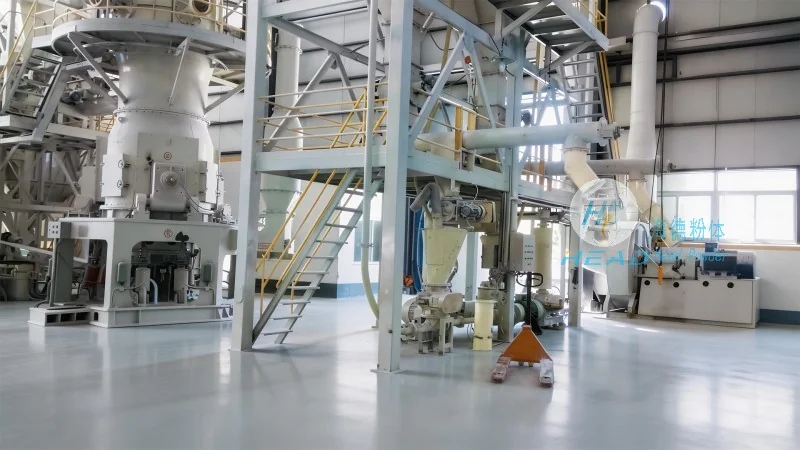
In alumina hydroxide manufacturing facilities, pneumatic conveying systems are integrated into production lines to transport raw materials from storage silos to processing units. This ensures a continuous and efficient flow of material, reducing downtime and improving overall production efficiency. The systems are designed to handle large volumes of alumina hydroxide, often in bulk quantities, and can be customized to fit the specific layout of the production facility.
2. Storage and Inventory Management
Pneumatic conveying systems are also used for the transfer of alumina hydroxide between storage silos and processing equipment. This allows for efficient inventory management, as materials can be moved quickly and accurately from one storage location to another. The systems help maintain consistent material levels in storage silos, ensuring that production processes are not interrupted due to material shortages.
3. Waste Material Handling
In industrial settings, the handling of waste materials is crucial for maintaining environmental compliance and operational efficiency. Pneumatic conveying systems are used to transport waste alumina hydroxide from processing areas to disposal or recycling facilities. This method is particularly effective for handling waste materials that are difficult to transport using traditional methods, such as those with high moisture content or abrasive properties.
Key Considerations for Selecting a Pneumatic Conveying System
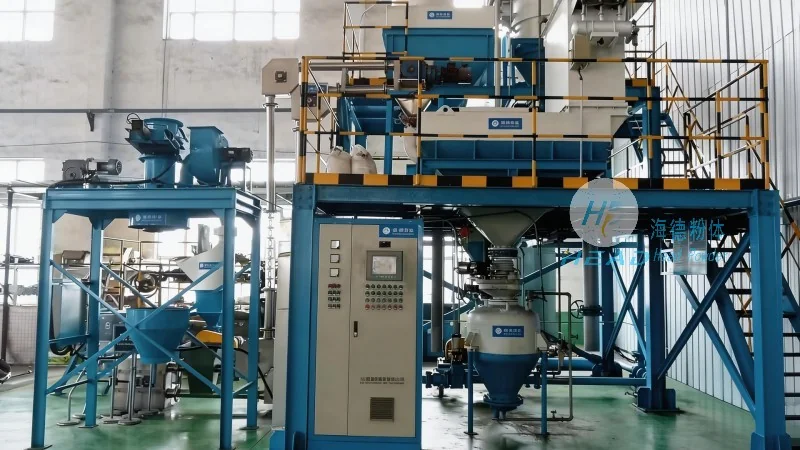
When selecting a pneumatic conveying system for alumina hydroxide transport, several factors must be considered to ensure optimal performance and efficiency. These include:
1. Material Properties
The physical and chemical properties of alumina hydroxide, such as particle size, moisture content, and abrasiveness, play a critical role in system selection. For example, if the material is highly abrasive, a dense phase system may be preferred to minimize wear and tear on the pipeline and equipment.
2. Transport Distance and Velocity
The distance over which the material needs to be transported and the required velocity of the conveying air are important considerations. Longer distances may require dilute phase systems with higher air velocities, while shorter distances may allow for the use of dense phase systems with lower velocities.
3. Energy Efficiency
Energy consumption is a significant factor in the operation of pneumatic conveying systems. Choosing a system that balances performance with energy efficiency can help reduce operational costs and improve the overall sustainability of the process.
Conclusion
HeadPowder Engineering Co., Ltd., based in Shandong, China, offers specialized pneumatic conveying solutions tailored to the unique needs of alumina hydroxide transport. By understanding the different types of systems and their practical applications, industrial facilities can select the most appropriate technology to enhance their material handling processes. Whether for production line integration, storage management, or waste handling, pneumatic conveying systems provide efficient and reliable solutions for transporting alumina hydroxide in various industrial settings.