Pneumatic conveying technology has emerged as a critical solution for the efficient and reliable transport of biomass pellets. As renewable energy sources gain prominence, the demand for effective handling and transportation of biomass materials has increased significantly. This article explores the role of pneumatic conveying systems in facilitating the movement of biomass pellets, highlighting the technical advantages and practical applications of such systems in industrial settings.
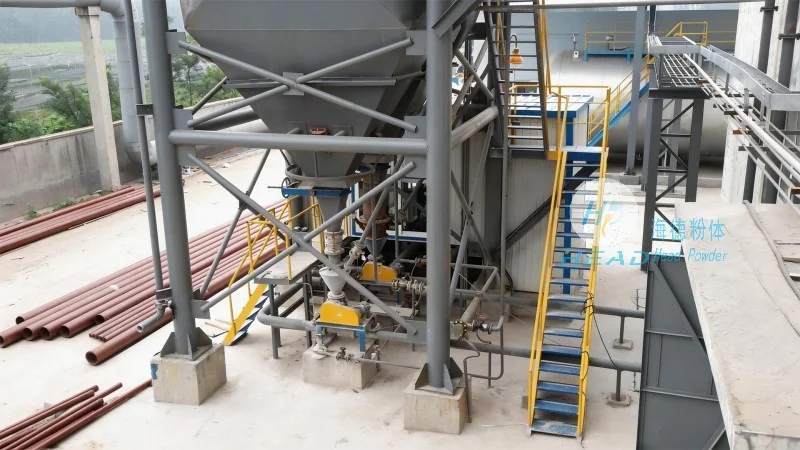
Understanding Pneumatic Conveying Systems
Pneumatic conveying involves the use of pressurized air or vacuum to move bulk materials like biomass pellets through a pipeline. Unlike traditional mechanical conveyors, this method offers several advantages, including reduced equipment wear, lower maintenance costs, and the ability to transport materials over long distances without the need for multiple transfer points. The core components of a pneumatic conveying system typically include a hopper for material storage, a conveyor line, and a control system to regulate air flow and material movement.
Key Benefits of Pneumatic Conveying in Biomass Pellet Handling
For biomass pellet transport, pneumatic conveying systems provide several key benefits. Firstly, they ensure a dust-free and hygienic environment, which is crucial for maintaining the quality of biomass pellets, especially when used as feedstock in power generation or biofuel production. Secondly, these systems offer high flexibility in terms of layout, allowing for integration into existing industrial facilities without major structural modifications. Additionally, pneumatic conveying can handle a wide range of pellet sizes and densities, making it suitable for various biomass sources such as wood, agricultural residues, and municipal solid waste.
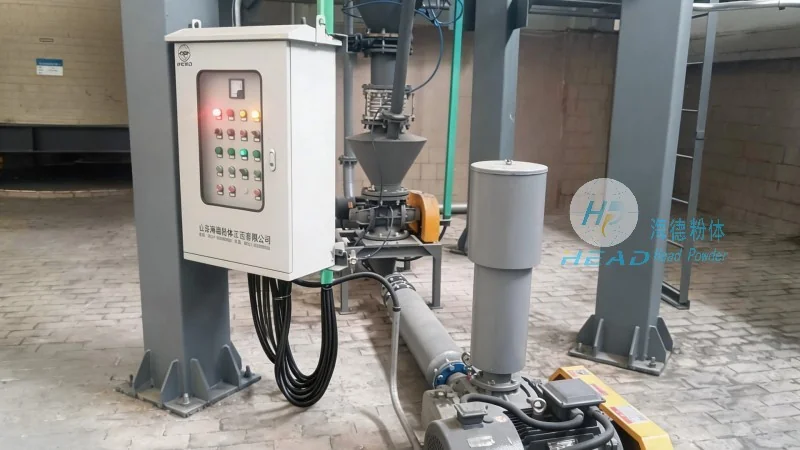
Technical Advantages and Performance Metrics
The performance of pneumatic conveying systems is often evaluated based on several technical parameters. These include the conveying capacity, which refers to the volume of material transported per unit time, and the pressure drop across the system, which indicates the energy efficiency. Advanced systems may incorporate features like variable speed drives and intelligent control algorithms to optimize these parameters, ensuring consistent and efficient operation. For biomass pellets, the system's ability to handle abrasive materials is also a critical factor, as pellets can cause wear on conveyor components over time. High-quality materials and robust design are essential to mitigate this issue and extend the service life of the equipment.
Application Scenarios in Biomass Processing
Pneumatic conveying is widely used in various stages of biomass processing, from raw material handling to final product distribution. In power plants, for example, biomass pellets are conveyed from storage silos to the combustion chamber using pneumatic systems, ensuring a continuous and uninterrupted fuel supply. Similarly, in biofuel production facilities, these systems facilitate the transport of pellets from grinding and drying units to storage or packaging areas. The versatility of pneumatic conveying makes it adaptable to different industrial processes, from small-scale biomass processing units to large-scale power generation plants.
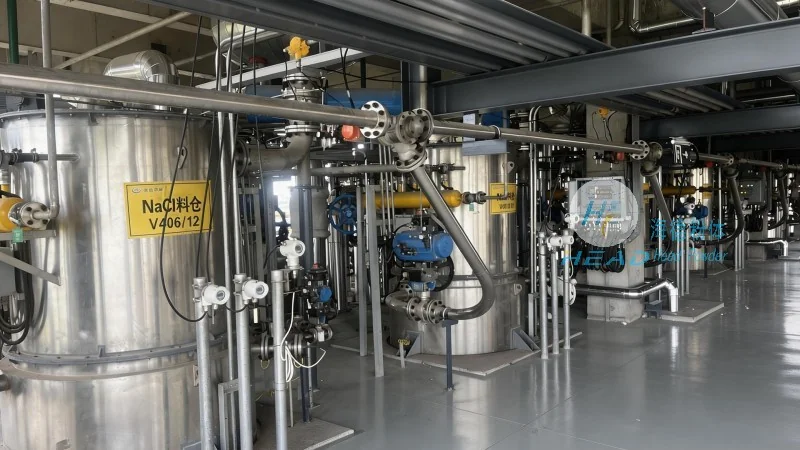
Case Study: Implementation by Shandong HeadPowder Engineering Co., Ltd.
Shandong HeadPowder Engineering Co., Ltd., a leading provider of bulk material handling solutions, has successfully implemented pneumatic conveying systems for biomass pellet transport in numerous projects. The company specializes in designing and manufacturing customized conveying systems tailored to the specific requirements of biomass processing facilities. By leveraging advanced engineering and material science, HeadPowder has developed systems that meet the stringent standards for efficiency, reliability, and environmental compliance. For instance, one of their projects involved the installation of a pneumatic conveying line for a biomass power plant in China, where the system successfully handled 500 tons of pellets per hour with minimal downtime and high material recovery rates.
Conclusion and Future Outlook
In conclusion, pneumatic conveying plays a vital role in the efficient and sustainable transport of biomass pellets. The technology offers significant advantages over traditional methods, including improved material handling, reduced environmental impact, and enhanced operational flexibility. As the global transition towards renewable energy continues, the demand for effective biomass pellet transport solutions will only increase. Companies like Shandong HeadPowder Engineering Co., Ltd. are at the forefront of developing innovative pneumatic conveying systems that meet the evolving needs of the biomass industry, ensuring reliable and efficient material transport for a sustainable future.




