Mineral sand pneumatic conveying systems are essential equipment in industrial operations, particularly for the efficient transport of bulk materials like mineral sands. These systems utilize air as the conveying medium to move materials from one location to another, offering advantages such as reduced maintenance, improved safety, and the ability to handle materials in enclosed environments. In this article, we will explore the fundamental aspects of these systems, including their design principles and key components.
Understanding the Core Components of a Mineral Sand Pneumatic Conveying System
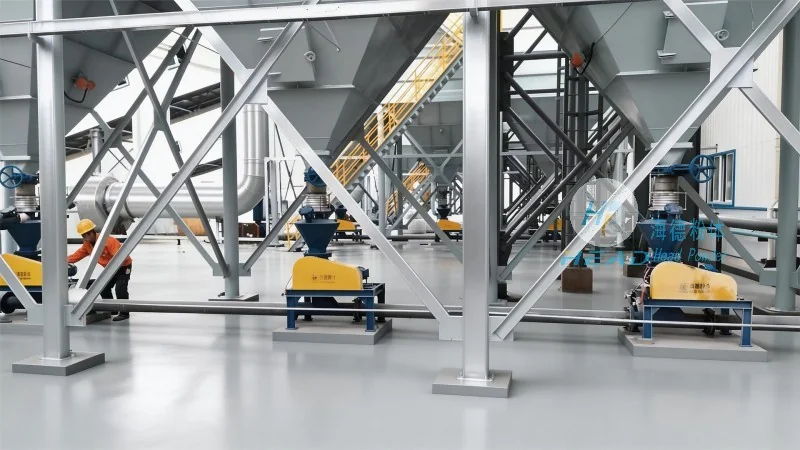
The effectiveness of a mineral sand pneumatic conveying system depends on several critical components that work in harmony to ensure smooth material transport. The primary components include the material feed hopper, which holds the mineral sand and feeds it into the system; the air compressor or blower, which generates the necessary air pressure to move the material; the conveying line, typically made of flexible or rigid tubing, which transports the material and air mixture; and the discharge hopper or silo, where the material is deposited. Additionally, control valves and sensors are often integrated to regulate the flow and monitor system performance, ensuring optimal operation.
Design Principles for Efficient Mineral Sand Transport
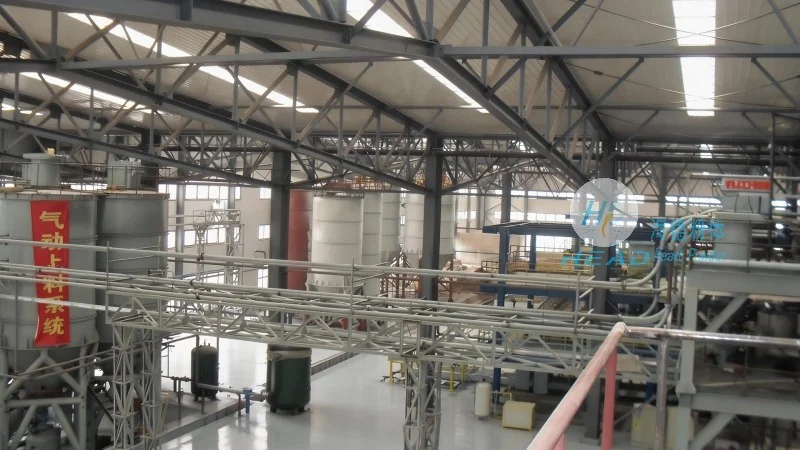
The design of a mineral sand pneumatic conveying system is guided by several key principles aimed at maximizing efficiency, minimizing energy consumption, and ensuring reliable operation. One of the fundamental principles is the selection of the appropriate air velocity and pressure. The air velocity must be high enough to entrain the mineral sand particles but not so high as to cause excessive wear on the system components or lead to material degradation. The pressure level is determined by the distance the material needs to be conveyed and the system's resistance, which includes friction losses in the conveying line and any bends or fittings. Another critical design principle is the consideration of material properties, such as particle size, density, and moisture content. These factors influence the system's capacity and the required air flow rate. For example, finer or more cohesive mineral sands may require higher air velocities to maintain a stable flow, while larger or denser particles may need higher pressure to overcome gravitational forces. The system's design also takes into account the layout and geometry of the conveying line, including the number and angle of bends, as these can significantly impact pressure losses and overall efficiency. Proper sizing of the air compressor and conveying line diameter is essential to match the material flow rate and air volume requirements, preventing under- or over-pressurization that could lead to system inefficiencies or failures.
Applications and Benefits of Mineral Sand Pneumatic Conveying Systems
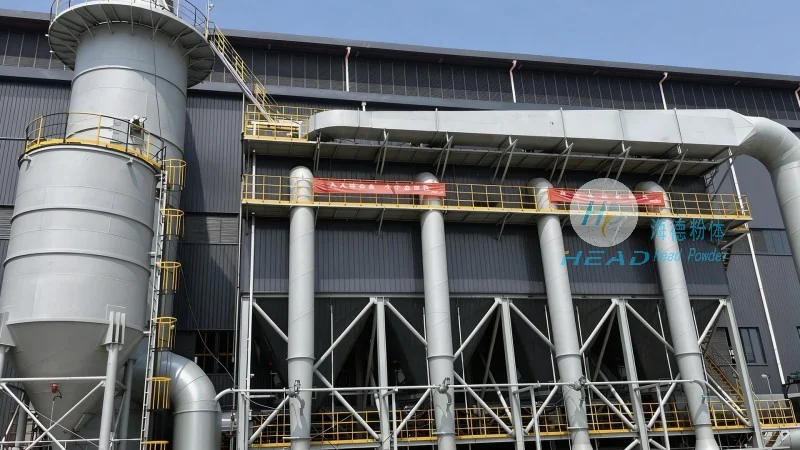
Mineral sand pneumatic conveying systems are widely used in various industries, including mining, mineral processing, and chemical manufacturing. They are particularly suitable for applications where traditional mechanical conveyors may be impractical or inefficient, such as transporting materials over long distances, through complex layouts, or in hazardous environments. The benefits of these systems include reduced labor costs due to automated material handling, improved product quality by minimizing material contamination and degradation, and enhanced safety by eliminating the need for manual handling of bulk materials. Additionally, pneumatic conveying systems can be integrated with other processing equipment, such as crushers or classifiers, to form a continuous material handling line, improving overall plant efficiency. The flexibility of these systems allows for easy expansion or modification as production needs change, making them a cost-effective solution for many industrial applications.
Conclusion and Company Overview
In conclusion, mineral sand pneumatic conveying systems are sophisticated equipment designed to efficiently transport bulk mineral materials using air as the conveying medium. Their design is based on principles that optimize air velocity, pressure, and material properties to ensure reliable and efficient operation. The systems offer numerous benefits, including improved safety, reduced maintenance, and enhanced productivity, making them a preferred choice in many industrial sectors. As a leading provider in the field, Shandong HeadPowder Engineering Co., Ltd. specializes in designing and manufacturing high-quality pneumatic conveying systems tailored to the specific needs of clients. With a focus on innovation and customer satisfaction, HeadPowder delivers solutions that meet the most demanding industrial requirements, ensuring long-term performance and reliability. Based in Shandong, China, HeadPowder leverages its expertise and experience to provide comprehensive support, from system design and installation to maintenance and after-sales service, helping clients achieve their operational goals efficiently and effectively.




