Clay coal powder pneumatic conveying systems represent a specialized type of equipment designed to transport fine coal powders, particularly those containing clay components, through a pipeline using air pressure. These systems are integral to industrial processes where the efficient and safe handling of coal powders is critical. The technology behind such systems combines principles of fluidization, air flow dynamics, and material handling to ensure reliable material transport from source to destination.
Key Components of the Pneumatic Conveying System
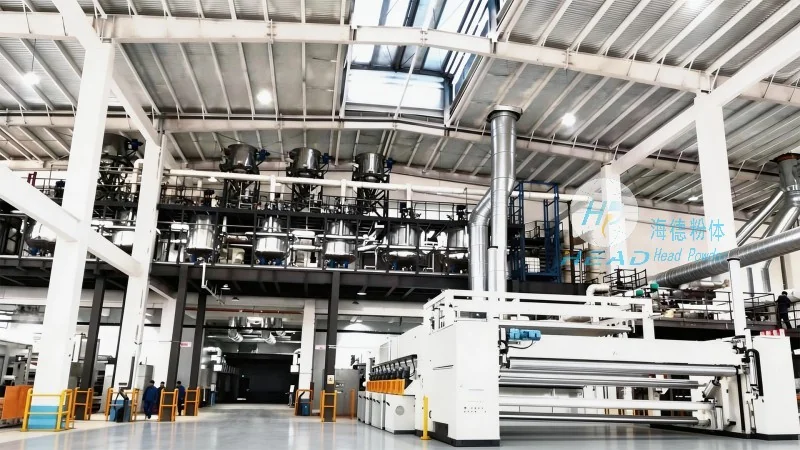
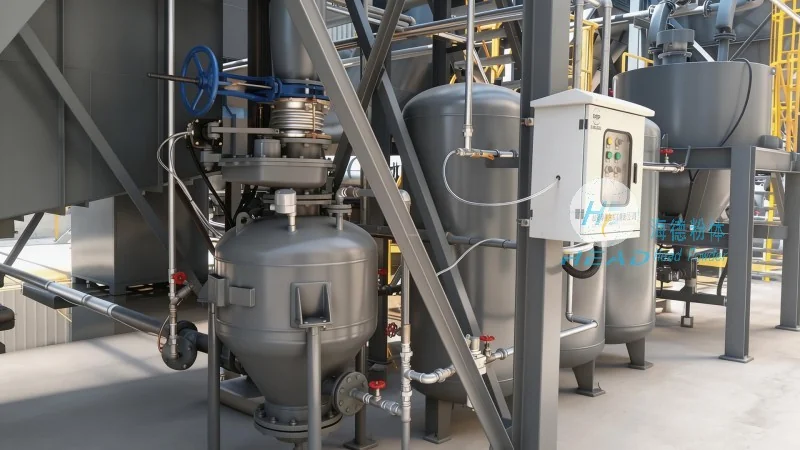
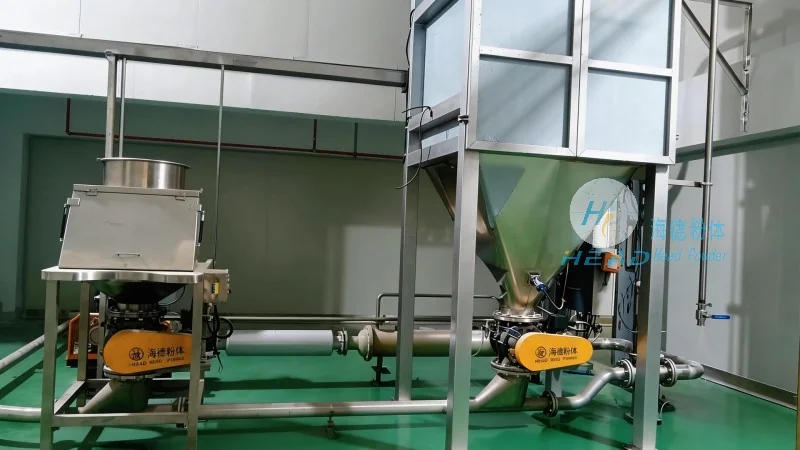
The core components of a clay coal powder pneumatic conveying system typically include a hopper for material storage, a feeder to control the flow rate, a conveying pipeline, a venturi or other air acceleration device, and a receiver for the discharged material. Each component plays a crucial role in maintaining the system's efficiency and preventing issues like blockages or material degradation. The hopper is designed to hold the clay coal powder, ensuring a consistent feed to the feeder. The feeder, often a rotary valve or screw feeder, regulates the amount of powder released into the pipeline, which is then accelerated by the air flow generated by a blower or compressor. The pipeline's design, including its diameter and material, is critical to minimize friction losses and prevent particle segregation. The venturi or other air acceleration device increases the air velocity, ensuring the powder particles are entrained and transported effectively. Finally, the receiver collects the conveyed powder, completing the transport cycle.
Design Principles and Engineering Considerations
The design of a clay coal powder pneumatic conveying system involves several key principles to ensure optimal performance. First, the system must account for the particle size distribution and density of the clay coal powder, as these properties affect the air velocity required for transport. Larger or denser particles may require higher air velocities or different conveying methods, such as dense phase or dilute phase conveying. Second, the system's pressure and flow rate must be carefully balanced to prevent excessive energy consumption or material degradation. For example, high air velocities can cause particle attrition, reducing the quality of the coal powder. Third, the system must incorporate features to prevent blockages, such as anti-caking measures or cleaning mechanisms. This is particularly important for clay-based powders, which can agglomerate under certain conditions. Additionally, the system's material of construction is critical, as the powder may be abrasive or corrosive. Materials like stainless steel or special alloys are often used to ensure durability and longevity.
Applications and Industry Use Cases
Clay coal powder pneumatic conveying systems are widely used in various industrial applications, including power generation, cement production, and chemical processing. In power plants, these systems transport coal to boilers for combustion, ensuring a consistent fuel supply. In cement plants, they convey coal to kilns, where it is used as a fuel to heat the kiln. In chemical processing, they transport coal powders to reactors or other processing units. The systems are also used in mining operations to transport coal from mines to processing facilities. The versatility of these systems makes them suitable for a wide range of applications, as they can handle different types of coal powders and operating conditions.
Advantages of Using a Clay Coal Powder Pneumatic Conveying System
There are several advantages to using a clay coal powder pneumatic conveying system compared to traditional methods like belt conveyors or bucket elevators. First, these systems are more flexible, as they can be easily reconfigured to change the transport route or capacity. Second, they are more compact, as they do not require large storage areas or extensive infrastructure. Third, they are more efficient, as they can transport materials over long distances with minimal energy loss. Fourth, they are more hygienic, as they prevent dust contamination and exposure to workers. Finally, they are more reliable, as they are less prone to blockages or breakdowns compared to other systems. These advantages make clay coal powder pneumatic conveying systems a preferred choice for many industrial applications.
Conclusion and Company Overview
Clay coal powder pneumatic conveying systems are essential equipment for the efficient and safe handling of coal powders in various industrial processes. The design and operation of these systems involve careful consideration of material properties, system components, and operational parameters to ensure optimal performance. Companies like Shandong HeadPowder Engineering Co., Ltd., based in China, specialize in the design, manufacturing, and installation of such systems, providing customized solutions to meet the specific needs of their clients. With their expertise in pneumatic conveying technology, they help industries improve their material handling processes, reduce costs, and enhance overall efficiency.




