For industries dealing with inorganic salt crystals, the choice of material handling equipment can significantly impact operational efficiency, safety, and product quality. The inorganic salt crystal pneumatic conveying system equipment stands out as a sophisticated solution designed to address the unique challenges of transporting these materials. This article explores the functionality, design principles, and applications of such systems, alongside an overview of the company behind their development.
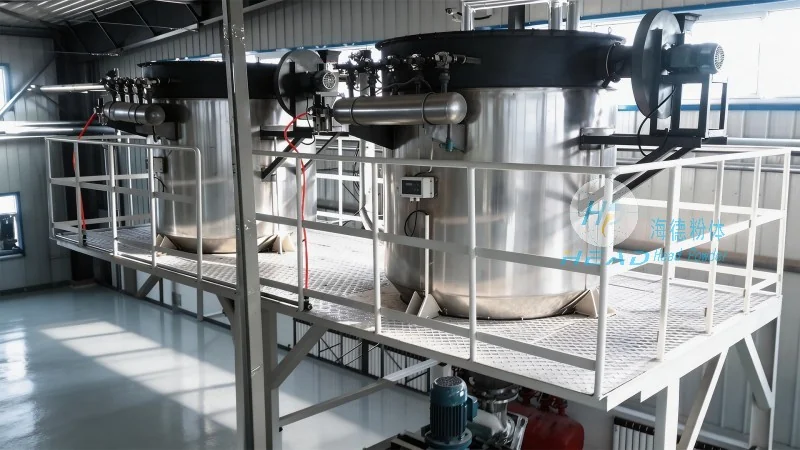
Introduction to Inorganic Salt Crystal Pneumatic Conveying Systems
The inorganic salt crystal pneumatic conveying system is an industrial device engineered to transport dry, free-flowing inorganic salt crystals through a network of pipelines using compressed air. Unlike traditional mechanical conveyors that rely on belts, screws, or buckets, this system utilizes the force of air to move materials, offering advantages such as reduced contamination, lower maintenance, and the ability to handle fine particles without clogging. The equipment is widely adopted in sectors like chemical processing, food manufacturing, and pharmaceutical production, where precise and clean material handling is paramount.
Key Components and Functionalities of the Equipment
The inorganic salt crystal pneumatic conveying system comprises several critical components that work in tandem to ensure efficient material transport. The primary components include a material hopper for storage, a rotary feeder or valve to control the discharge rate, a conveying pipeline (typically made of stainless steel to resist corrosion from salt crystals), and a receiving silo or container for the deposited material. The system operates by introducing compressed air into the pipeline, creating a low-pressure zone that draws the salt crystals from the hopper into the conveying line. The air flow then propels the material through the system, maintaining a consistent and controlled flow. The rotary valve, often a star or screw type, regulates the material feed, preventing overloading and ensuring smooth operation. The pipeline design incorporates strategically placed bends and elbows, which are engineered to minimize pressure drop and avoid material degradation or blockages. Air filtration and moisture control systems are also integrated to maintain the purity of the salt crystals during transport.
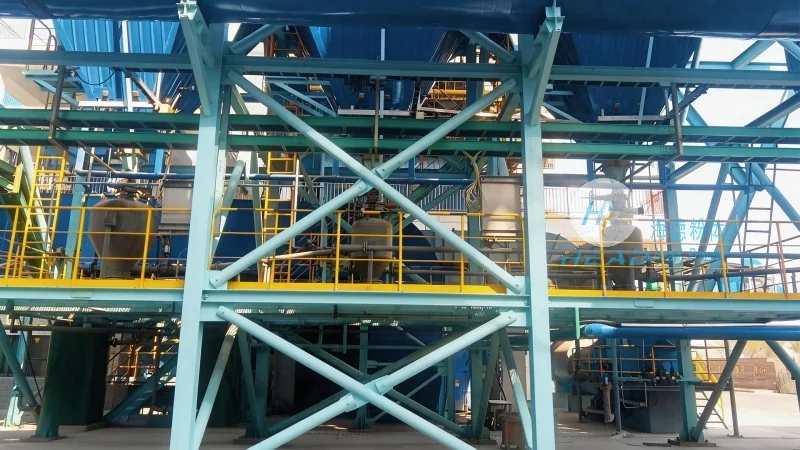
Design Principles Behind the System
The design of the inorganic salt crystal pneumatic conveying system is grounded in several fundamental principles to optimize performance and reliability. One core principle is the use of air as the conveying medium, which eliminates mechanical contact with the material, reducing wear and tear and minimizing the risk of contamination. The system is tailored to the specific properties of inorganic salt crystals, such as their particle size (typically ranging from 0.1 to 2 mm), density (around 2.16 g/cm³ for sodium chloride), and flow characteristics. Fluid dynamics, particularly the principles of Bernoulli's equation and pressure loss calculations, are applied to design the pipeline network and air compressor system. Engineers calculate the required air velocity and pressure to ensure the material is fully suspended and transported without settling or clogging. The system also incorporates safety features, including pressure relief valves and emergency shut-off mechanisms, to prevent over-pressurization and ensure operational safety. Additionally, the control system, often equipped with sensors and automation, allows for real-time monitoring of flow rates, pressure, and material levels, enabling adjustments to maintain optimal performance.
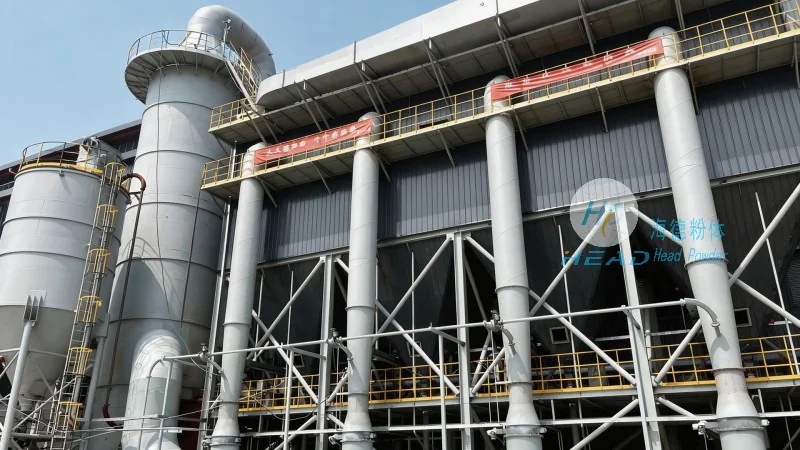
Application Scenarios and Benefits
The inorganic salt crystal pneumatic conveying system is particularly well-suited for applications where traditional conveying methods may be inefficient or unsuitable. In chemical plants, it can be used to transport sodium chloride or other inorganic salts from bulk storage to processing units, such as evaporators or reactors, without the need for manual handling or mechanical conveyors. This reduces labor costs and minimizes the risk of human exposure to bulk materials. In food processing facilities, the system ensures hygienic and clean transport of salt crystals, maintaining product quality and compliance with food safety regulations. The benefits of this equipment extend beyond efficiency and safety; it also reduces maintenance costs due to fewer mechanical parts and lower energy consumption compared to traditional systems. The ability to handle fine particles and prevent dust generation makes it ideal for applications where material purity is critical, such as in pharmaceutical manufacturing, where even trace contaminants can affect product efficacy. Furthermore, the system's flexibility allows for easy integration into existing production lines, enabling seamless material flow and increased overall productivity.
Company Profile: Shandong HeadPowder Engineering Co., Ltd.
Shandong HeadPowder Engineering Co., Ltd., headquartered in Shandong, China, is a leading manufacturer of specialized industrial equipment, including inorganic salt crystal pneumatic conveying systems. With a strong focus on innovation and customer-centric solutions, HeadPowder Engineering has established itself as a trusted provider of high-quality material handling equipment. The company has extensive experience in designing and manufacturing systems tailored to the unique needs of various industries, leveraging advanced engineering and manufacturing capabilities. HeadPowder Engineering adheres to strict quality control standards, ensuring that its products meet international specifications and industry requirements. The company's team of experienced engineers and technicians work closely with clients to understand their operational challenges and develop customized solutions that enhance efficiency and reliability. By combining technical expertise with a commitment to quality, HeadPowder Engineering continues to deliver cutting-edge equipment that supports the growth and success of its clients. The company's presence in the market is a testament to its reputation for excellence and reliability, making it a preferred choice for businesses seeking reliable and efficient material handling solutions.




