Understanding dry flue gas desulfurization (FGD) ash powder conveying is crucial for industries involved in power generation and environmental control. This process involves the efficient transport of fine ash particles produced during the flue gas desulfurization process, which is essential for maintaining the operational efficiency of power plants and adhering to environmental regulations. The design principles behind such systems are tailored to handle the unique characteristics of FGD ash, including its fine particle size, moisture content, and potential reactivity.
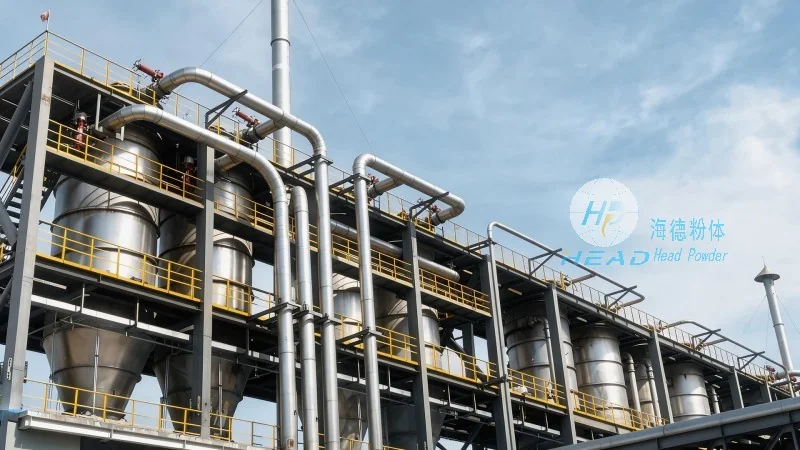
Introduction to Dry FGD Ash Powder Conveying
Dry flue gas desulfurization ash, also known as FGD gypsum or desulfurization ash, is a byproduct generated when flue gases from coal-fired power plants are treated to remove sulfur dioxide (SO₂). The traditional wet FGD process produces a slurry that requires dewatering and further processing. In contrast, dry FGD systems capture the sulfur dioxide and convert it into a dry powder, which can be directly utilized or disposed of. The powder conveying system is a critical component that ensures the safe and efficient movement of this dry ash from the desulfurization unit to storage or disposal sites.
Key Design Principles for FGD Ash Powder Conveying Systems
The design of dry FGD ash powder conveying systems is guided by several key principles to ensure reliability, efficiency, and environmental compliance. First, the system must be capable of handling the high dust content and fine particle size of the ash, which can range from 1 to 100 microns. This requires specialized equipment such as rotary valves, screw conveyors, and pneumatic conveying systems that are designed to minimize particle degradation and prevent blockages. Second, the system must maintain low moisture content to prevent caking and ensure the ash remains in a dry, free-flowing state. This is achieved through proper drying and conditioning of the ash before conveying. Third, the system must be robust enough to withstand the abrasive nature of the ash, which can cause wear on components like pumps, valves, and ducts. Materials such as stainless steel, wear-resistant alloys, and lined components are commonly used to extend the lifespan of the equipment.
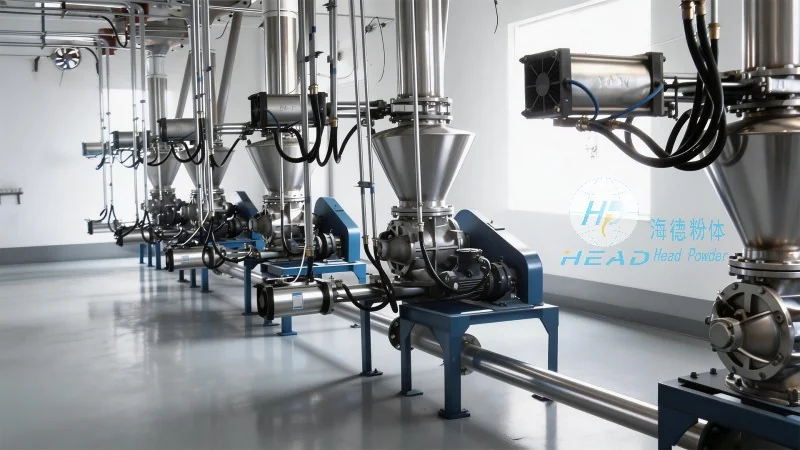
Components and Equipment in Dry FGD Ash Conveying Systems
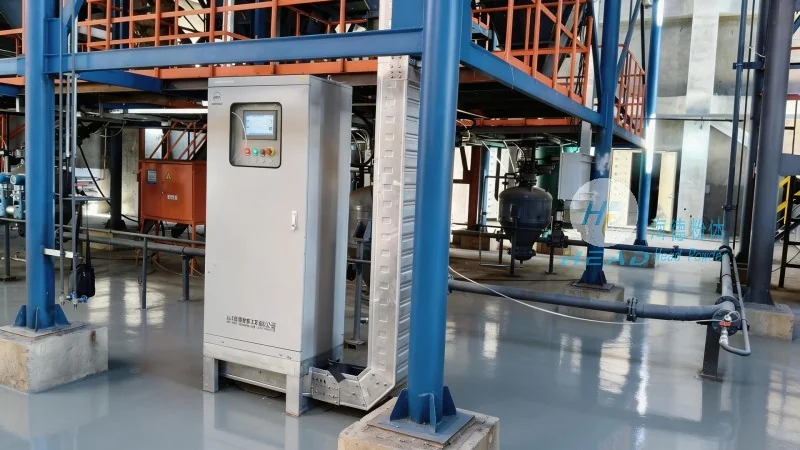
A typical dry FGD ash powder conveying system consists of several interconnected components that work together to transport the ash. The primary components include: (1) Ash collection and drying equipment: This may include cyclone separators, rotary dryers, or fluidized bed dryers that reduce the moisture content of the ash to below 1% by weight. (2) Conveying equipment: Depending on the distance and material characteristics, the system may use screw conveyors for short distances, or pneumatic conveying systems (positive or negative pressure) for longer distances. Pneumatic systems are particularly effective for handling fine powders as they can transport the ash through pipelines without the need for mechanical components at the conveying points. (3) Control and monitoring systems: These systems ensure the consistent operation of the conveying process, monitor parameters such as pressure, flow rate, and moisture content, and provide alerts for any deviations or malfunctions. (4) Storage and disposal equipment: The ash is typically stored in silos or hoppers before being transported to disposal sites or used in other applications, such as construction materials.
Application and Benefits of Dry FGD Ash Powder Conveying
Dry FGD ash powder conveying is widely used in power plants, particularly those with coal-fired boilers, to manage the byproduct of flue gas desulfurization. The primary benefits of this system include: (1) Improved operational efficiency: By eliminating the need for wet slurry handling and dewatering, dry conveying reduces the energy consumption and operational costs associated with the process. (2) Enhanced environmental performance: Dry systems minimize the risk of water pollution and reduce the volume of waste that needs to be disposed of, as the ash is already in a dry, stable form. (3) Versatility: The dry ash can be repurposed as a raw material in construction products, such as gypsum board or cement, reducing the need for natural resources and providing a sustainable alternative. (4) Reduced maintenance: The absence of water in the system reduces the risk of corrosion and scaling, leading to lower maintenance requirements and longer equipment lifespan.
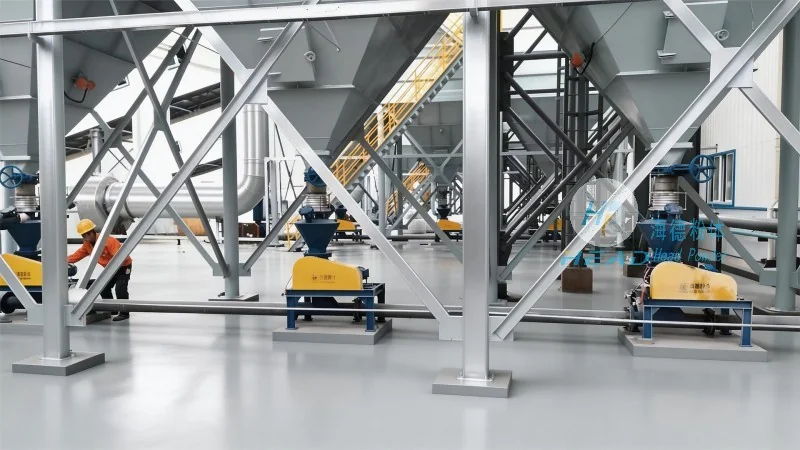
Company Overview: Shandong HeadPowder Engineering Co., Ltd.
Shandong HeadPowder Engineering Co., Ltd., a leading provider of engineering solutions for powder handling and conveying systems, specializes in designing and manufacturing customized dry FGD ash powder conveying systems. With a strong focus on innovation and customer satisfaction, the company has developed advanced technologies to address the unique challenges of handling fine, dry powders. The company's team of experienced engineers and technicians works closely with clients to understand their specific requirements and provide tailored solutions that meet their operational and environmental goals. HeadPowder's commitment to quality and reliability has made it a trusted partner for power plants and industrial facilities across China and beyond.
Conclusion
Dry flue gas desulfurization ash powder conveying is a critical process in modern power generation, enabling efficient management of environmental byproducts while supporting sustainable operations. The design principles and equipment used in these systems are carefully optimized to handle the unique characteristics of FGD ash, ensuring reliable and cost-effective performance. As the demand for cleaner energy and stricter environmental regulations continues to grow, the importance of advanced dry conveying systems will only increase. Companies like Shandong HeadPowder Engineering Co., Ltd. play a vital role in providing the technology and expertise needed to meet these challenges and drive the transition to more sustainable industrial practices.




