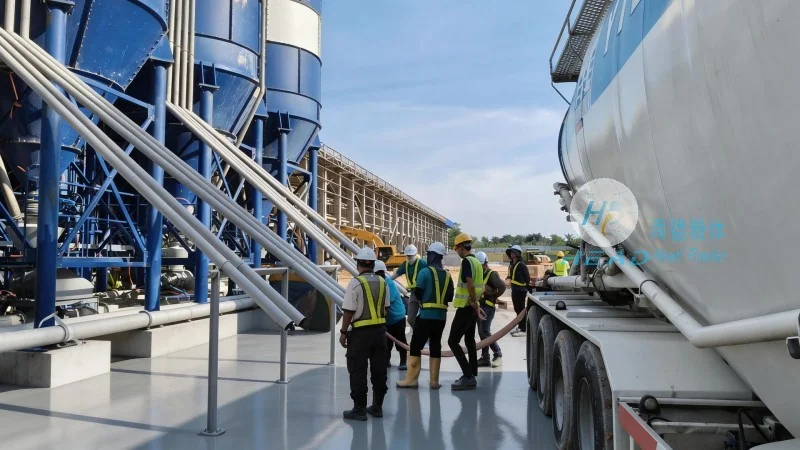
Plug flow powder conveying systems represent a sophisticated method for transporting bulk powders in industrial settings. Unlike traditional pneumatic or mechanical systems that may cause particle degradation or uneven flow, plug flow systems are engineered to maintain a stable, segmented flow of material. This approach ensures consistent pressure distribution and minimizes the risk of clogging or blockages, making them ideal for handling sensitive or high-value powders.
Understanding the Core Concept of Plug Flow Conveying
At its essence, a plug flow system operates by dividing the conveyed material into discrete, moving "plugs" or segments. Each plug moves through the system as a cohesive unit, with minimal interaction between adjacent plugs. This segmentation is achieved through a combination of pressure control, valve sequencing, and specialized conveying components. The result is a controlled, uniform flow that preserves the integrity of the powder and ensures efficient transport from the source to the destination.
Design Principles Underpinning Plug Flow Systems
The design of plug flow systems is governed by several critical principles that ensure optimal performance. First, pressure management is paramount. The system maintains a consistent pressure gradient along the conveying line, which propels the plugs forward without causing excessive stress on the material. This is typically achieved through a series of pressure regulators and check valves that prevent backflow and maintain flow stability.
Second, valve sequencing is a key design element. The system uses a sequence of control valves to open and close at precise intervals, creating the segmented flow pattern. This sequencing is often synchronized with the pressure changes to ensure smooth transitions between plugs. The timing and coordination of these valves are critical to the system's efficiency and reliability.
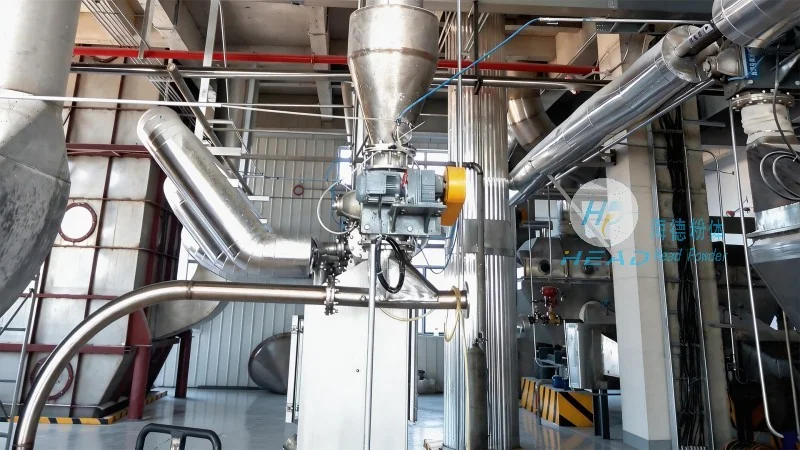
Third, the choice of conveying medium and line design is crucial. Plug flow systems often utilize a closed loop with a carrier gas (such as air or nitrogen) that is introduced at controlled rates. The line itself is typically made of materials resistant to the powder's properties, such as stainless steel or special polymers, to prevent contamination and wear. The diameter and length of the line are also carefully calculated to match the material's flow characteristics and the required conveying speed.
Key Components and Their Functional Roles
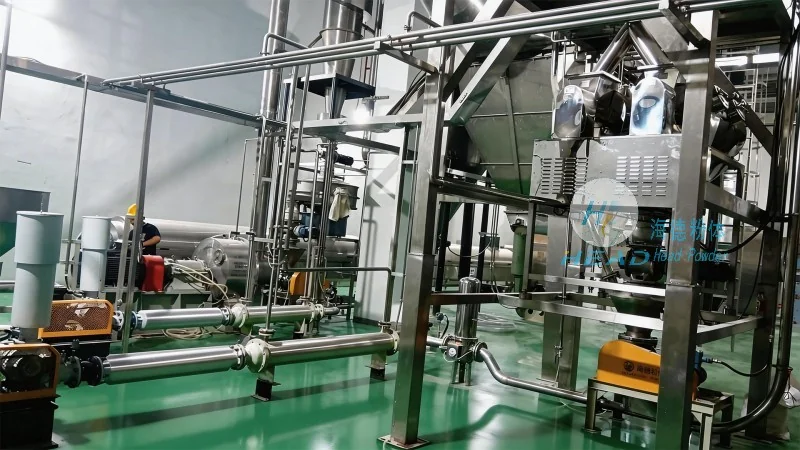
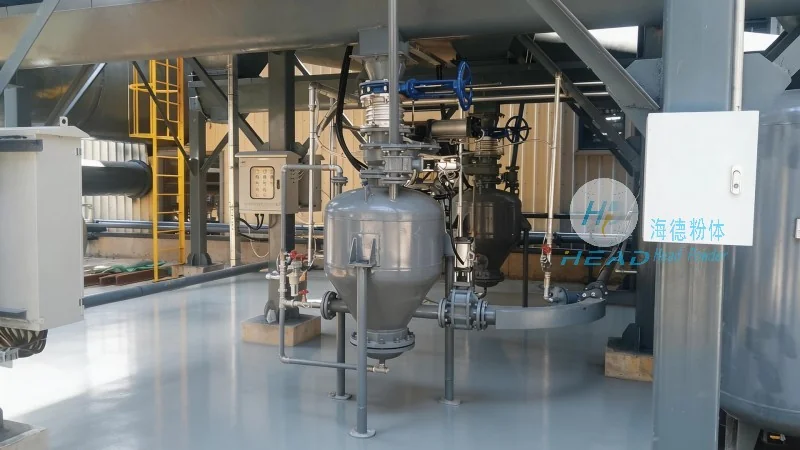
Several key components work in tandem to enable the plug flow conveying process. The primary components include the hopper or feeder, which supplies the powder to the system; the pressure vessel or receiver, which stores the material under controlled pressure; the conveying line, which transports the plugs; and the control valves, which regulate the flow. Each component plays a vital role in maintaining the system's stability and performance.
The hopper or feeder is responsible for feeding the powder into the system at a controlled rate. This ensures that the plugs are formed consistently and prevents overloading the system. The pressure vessel or receiver, on the other hand, maintains the pressure within the system, providing the necessary force to move the plugs along the line. The conveying line, typically a flexible or rigid tube, is designed to withstand the pressure and temperature of the material being conveyed. The control valves, which include check valves, flow control valves, and sequence valves, are used to regulate the pressure and create the segmented flow pattern.
Application Scenarios and Industry Relevance
Plug flow powder conveying systems are widely used in various industries where the integrity of the powder is critical. These include pharmaceuticals, food processing, chemical manufacturing, and specialty materials. For example, in the pharmaceutical industry, plug flow systems are used to transport active pharmaceutical ingredients (APIs) and excipients, ensuring that the powder remains free from contamination and maintains its quality throughout the process. In the food industry, they are used to convey ingredients such as flour, sugar, and spices, preserving the flavor and texture of the products.
The system's ability to handle sensitive materials makes it particularly valuable in industries where product quality and consistency are paramount. By maintaining a stable flow and minimizing particle degradation, plug flow systems help manufacturers meet stringent quality standards and improve overall production efficiency.
About Shandong HeadPowder Engineering Co., Ltd.
Shandong HeadPowder Engineering Co., Ltd., commonly known as HeadPowder, is a leading manufacturer and supplier of advanced powder handling solutions. With a strong focus on innovation and customer-centric design, HeadPowder specializes in developing plug flow and other specialized conveying systems tailored to the unique needs of various industries. The company's headquarters is located in Shandong, China, where it leverages its expertise in engineering and material science to deliver high-quality products and services to clients worldwide.
HeadPowder's commitment to quality is evident in its adherence to international standards and rigorous testing protocols. The company's plug flow systems are designed to meet the specific requirements of each application, ensuring optimal performance and reliability. By combining advanced technology with practical engineering, HeadPowder helps clients improve their production processes, reduce costs, and enhance product quality.
Conclusion
Plug flow powder conveying systems represent a significant advancement in bulk material handling, offering a reliable and efficient solution for industries that require precise control over powder flow. The design principles and components that underpin these systems ensure that they can handle a wide range of materials while maintaining the integrity of the product. As a leader in the field, Shandong HeadPowder Engineering Co., Ltd. continues to innovate and provide cutting-edge solutions that meet the evolving needs of the industry.




