Understanding the role and design of gypsum sand powder conveying equipment is crucial for industries that handle bulk materials, particularly in applications involving gypsum sand. This equipment is engineered to efficiently transport fine powders like gypsum sand, ensuring smooth material flow and minimal loss. The following sections delve into the fundamental aspects of such equipment, including its design principles and key components.
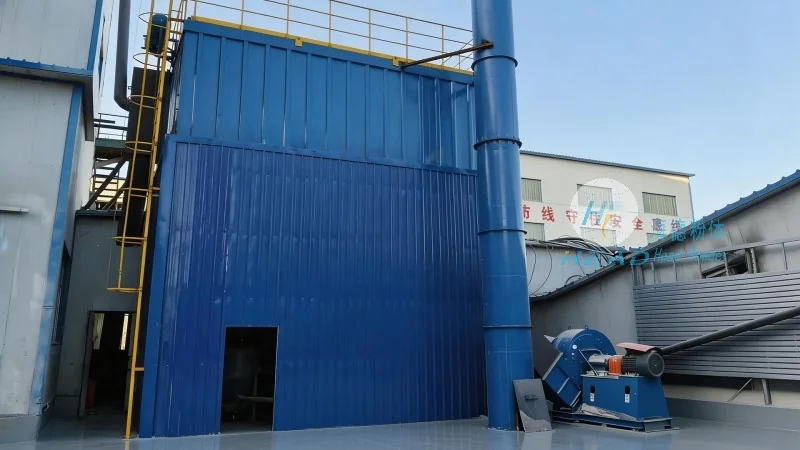
Overview of Gypsum Sand Powder Conveying Equipment
Gypsum sand powder conveying equipment is a specialized system designed to move gypsum sand, a common material used in construction, industrial processes, and other applications. These systems are typically used in environments where bulk handling of fine powders is required, such as in manufacturing plants, construction sites, or material processing facilities. The equipment is engineered to handle the unique properties of gypsum sand, including its fine particle size and potential for dust generation, ensuring safe and efficient operation.
Key Design Principles of Gypsum Sand Powder Conveying Equipment
The design of gypsum sand powder conveying equipment is based on several critical principles to ensure optimal performance. These principles include maintaining consistent material flow, minimizing material degradation, and ensuring operational safety. The equipment incorporates various components that work together to achieve these goals, such as feeders, conveyors, and control systems. Each component is carefully designed to handle the specific characteristics of gypsum sand, including its density, moisture content, and flowability.
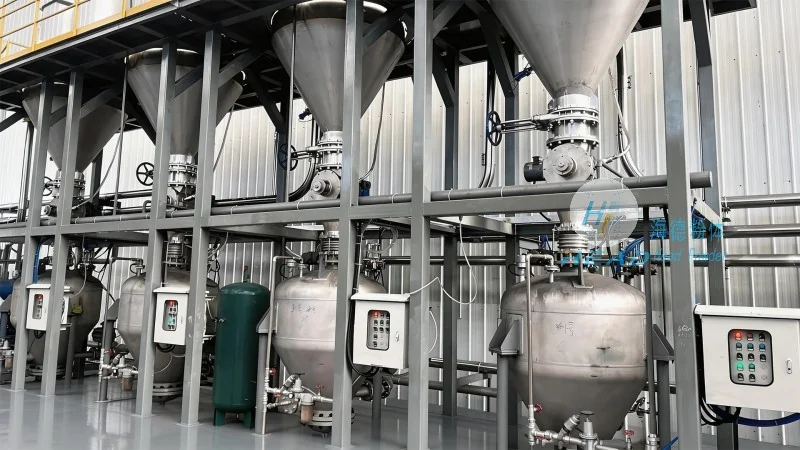
Components and Their Functions in Gypsum Sand Powder Conveying Systems
Several key components make up a typical gypsum sand powder conveying system. The primary components include the hopper or feeder, which stores and feeds the gypsum sand into the system. The conveyor itself, which may be a pneumatic or mechanical system, transports the material from the feeder to the discharge point. Control systems, such as sensors and valves, regulate the flow rate and pressure to maintain consistent operation. Additionally, dust collection systems are often integrated to manage the fine particles and ensure a clean working environment.
How Gypsum Sand Powder Conveying Equipment Works
The operation of gypsum sand powder conveying equipment involves a series of steps to ensure efficient material transport. First, the gypsum sand is fed into the hopper from a storage silo or container. The feeder then controls the flow rate, ensuring a steady supply of material to the conveyor. The conveyor, which may use air pressure (pneumatic) or mechanical force (e.g., screw conveyors), moves the sand through the system. The material is then discharged at the end of the conveyor, where it is collected for further processing or use. The control systems monitor the pressure, flow rate, and other parameters to maintain optimal performance and prevent issues such as blockages or overloading.
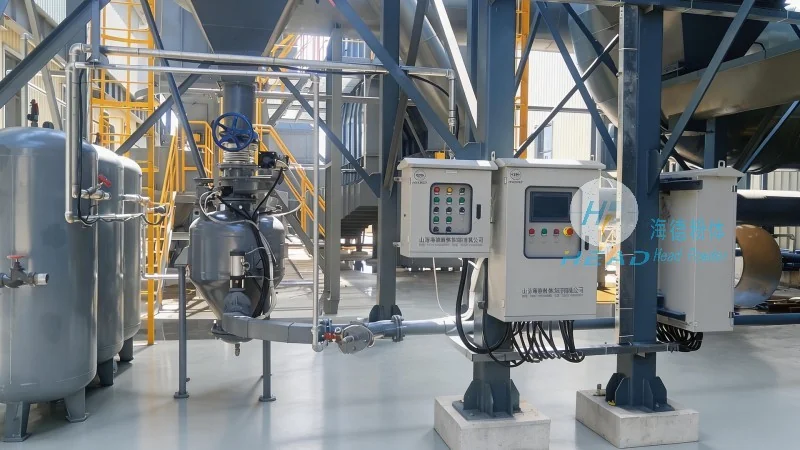
Benefits of Using Gypsum Sand Powder Conveying Equipment
Implementing gypsum sand powder conveying equipment offers several advantages for industries handling fine powders. These benefits include improved material handling efficiency, reduced labor costs, and enhanced safety. The equipment minimizes material loss and contamination, ensuring high-quality output. Additionally, the automated control systems reduce the risk of human error and improve overall operational consistency. The design of the equipment also allows for easy integration into existing production lines, making it a versatile solution for various applications.
About Shandong HeadPowder Engineering Co., Ltd.
Shandong HeadPowder Engineering Co., Ltd., commonly known as HeadPowder, is a leading manufacturer of specialized powder handling equipment. With a focus on innovation and quality, HeadPowder provides reliable solutions for industries that require efficient and safe handling of bulk materials. The company is headquartered in Shandong, China, and has established itself as a trusted partner for businesses seeking advanced powder conveying systems. HeadPowder's commitment to customer satisfaction and product excellence has made it a preferred choice for companies operating in construction, manufacturing, and other sectors that rely on high-performance powder handling equipment.




