Understanding the fundamentals of powder and particulate material conveying systems is crucial for industries that handle bulk materials. These systems are essential for the efficient transport of dry powders, granules, and other particulate substances from one location to another within a production facility or across different operational areas. The design principles behind such systems are tailored to address the unique challenges posed by the physical properties of these materials, including their flow characteristics, dust generation, and potential for caking or bridging.
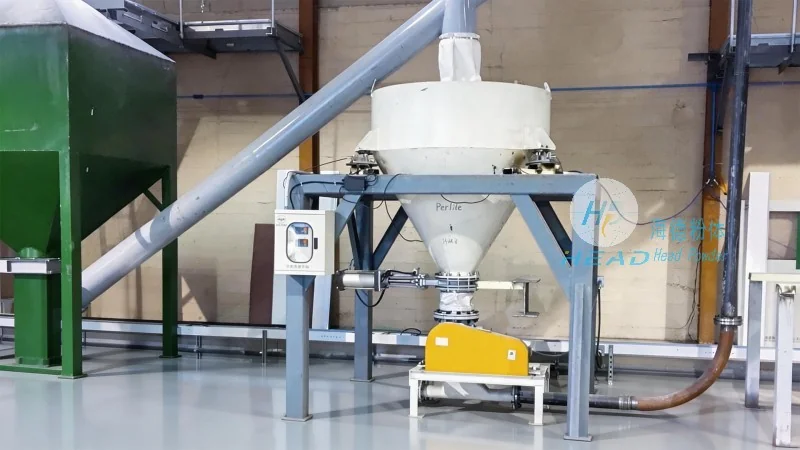
Introduction to Powder and Particulate Material Conveying Lines
A powder and particulate material conveying line, often referred to as a dust and powder conveying system, is a specialized setup designed to move dry bulk materials through a network of pipes, ducts, or other conduits. These systems are commonly used in sectors like pharmaceuticals, food processing, chemical manufacturing, and mining, where the handling of fine or granular materials is a daily operation. The primary goal of such a system is to ensure that materials are transported safely, efficiently, and without degradation, while minimizing the risk of dust emissions and operational disruptions.
Key Components and Design Principles
The design of a powder and particulate material conveying line involves several critical components, each playing a vital role in the overall functionality and performance of the system. These components typically include feeders, conveyors (such as pneumatic or mechanical systems), control valves, and dust collection equipment. The selection and integration of these components are guided by the specific characteristics of the material being conveyed, including its particle size distribution, density, moisture content, and flowability.
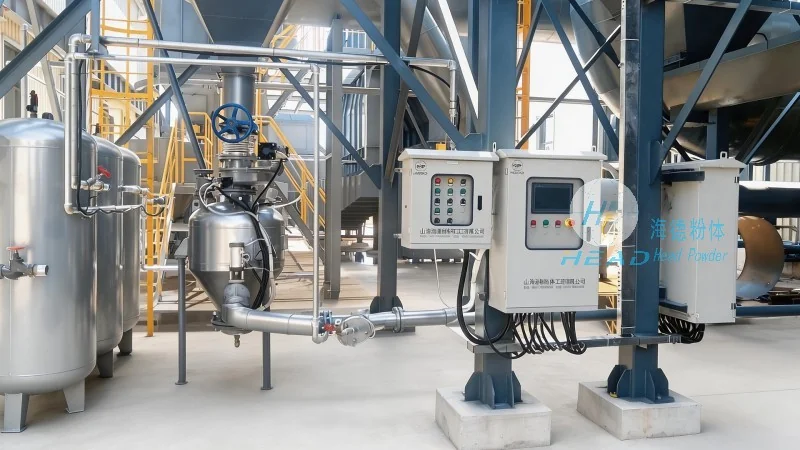
One of the fundamental design principles is the consideration of material flow characteristics. For example, cohesive or sticky powders may require specialized feeders like rotary valves or star feeders to prevent blockages and ensure consistent material flow. In contrast, free-flowing granules might be better suited to mechanical conveyors like belt or screw conveyors. The choice of conveyor type directly impacts the system's efficiency, energy consumption, and maintenance requirements.
Pneumatic Conveying Systems: A Common Design Approach
Pneumatic conveying systems are widely used in powder and particulate material handling due to their versatility and ability to handle a wide range of materials. These systems utilize air or other gases to transport materials through a pipeline. There are two main types of pneumatic conveying: pressure and vacuum. Pressure systems use compressed air to push material through the line, while vacuum systems use a vacuum to draw material from a source. The design of a pneumatic conveying system involves careful selection of the air velocity, pipeline diameter, and material feed rate to ensure efficient transport without causing excessive pressure drops or material degradation.
Design Considerations for Material Handling and Safety
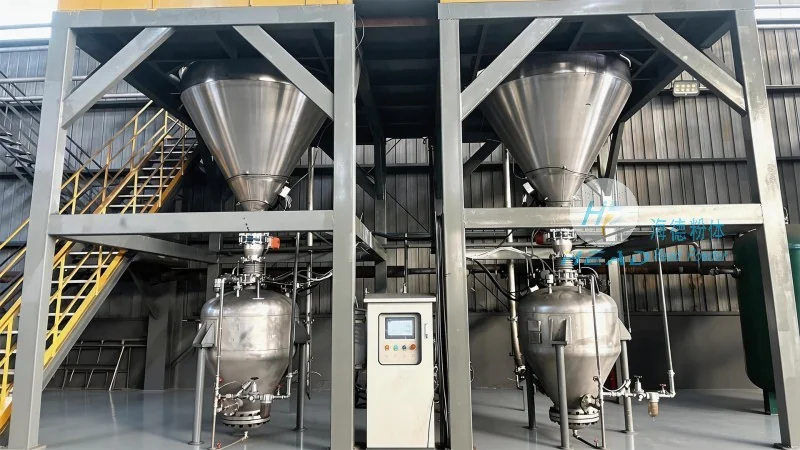
When designing a powder and particulate material conveying line, safety is a paramount consideration. The risk of dust explosions and the need for proper dust collection and ventilation are critical factors. The system must be designed to minimize dust generation at the source, with features such as enclosed feeders and proper sealing of equipment. Additionally, the material of construction for the conveying components must be compatible with the conveyed material to prevent corrosion or contamination. For example, stainless steel is often used for handling food or pharmaceutical powders due to its hygienic properties.
Applications and Industry Use Cases
Powder and particulate material conveying lines are integral to various industrial processes. In the pharmaceutical industry, these systems are used to transport active pharmaceutical ingredients (APIs) and excipients with high precision and minimal contamination. In food processing, they are employed to move ingredients like flour, sugar, and spices while maintaining product quality and safety standards. In chemical manufacturing, they facilitate the transport of raw materials and intermediates, often under controlled conditions to prevent reactions or contamination.
Conclusion and Company Overview
Designing an effective powder and particulate material conveying line requires a deep understanding of material properties, system dynamics, and safety regulations. Companies specializing in this field, such as Shandong HeadPowder Engineering Co., Ltd. (commonly known as headpowder), leverage years of experience and technical expertise to develop customized solutions that meet the specific needs of their clients. With a focus on efficiency, safety, and reliability, these systems play a vital role in modern industrial operations, ensuring the smooth and safe handling of bulk materials.




