Steel limestone powder conveying lines are critical components in the steel production process, responsible for transporting limestone powder from storage silos or stockpiles to the blast furnace or other processing units. Limestone, a key flux in steelmaking, is essential for removing impurities and regulating the chemical composition of the molten steel. The conveying line must efficiently handle this powder while maintaining consistent flow rates and minimizing material loss or degradation. Such systems are typically integrated into larger industrial facilities, requiring robust engineering to withstand the harsh conditions of steel manufacturing, including high temperatures, dust, and abrasive particles.
Design Principles of Steel Limestone Powder Conveying Lines
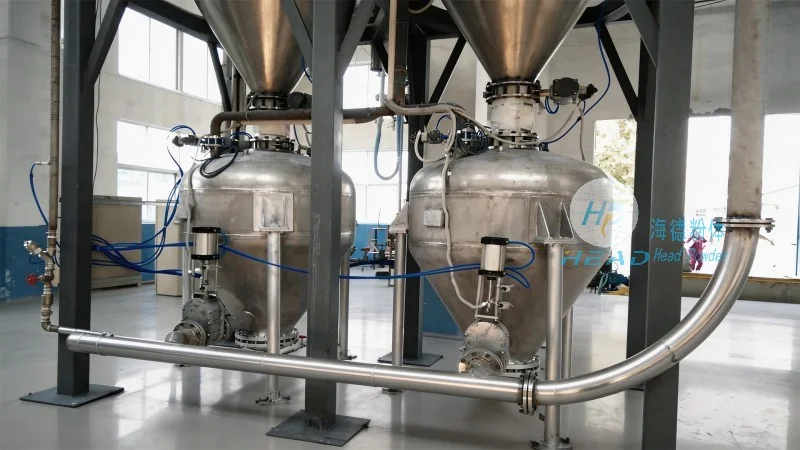
The design of a steel limestone powder conveying line is guided by several fundamental principles that ensure both functionality and longevity. First, the system must address the physical properties of limestone powder, which includes factors like particle size distribution, bulk density, and moisture content. These characteristics influence the choice of conveying method; for example, fine limestone powders may be better suited for pneumatic conveyors due to their low bulk density and tendency to create dust. Second, the design prioritizes material compatibility with the limestone, ensuring that components such as hoppers, chutes, and conveyors are constructed from durable materials like stainless steel or high-grade alloys to resist corrosion and wear. Third, the system incorporates safety features, including dust suppression systems and explosion-proof designs, to protect both personnel and equipment from the hazards associated with powder handling. Additionally, the layout of the conveying line is optimized to minimize energy consumption and operational costs, aligning with the efficiency goals of modern steel plants.
Key Components of Steel Limestone Powder Conveying Lines
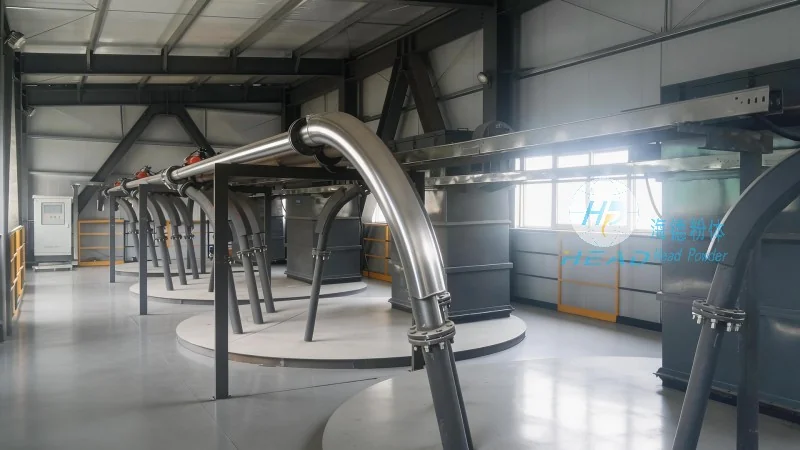
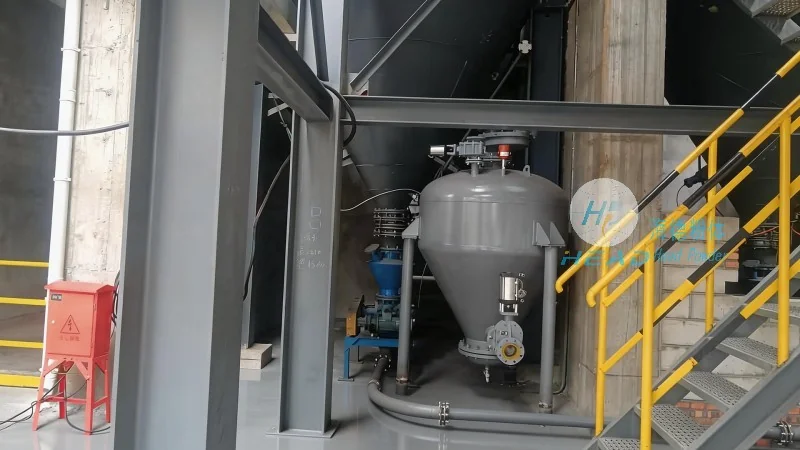
A typical steel limestone powder conveying line consists of several interconnected components, each playing a vital role in the overall operation. The primary components include a storage hopper, which holds the limestone powder and provides a controlled feed to the conveying system; a feeder, such as a rotary valve or a screw feeder, that regulates the flow of material into the conveyor; the conveying equipment itself, which may be a screw conveyor, a pneumatic conveyor, or a bucket elevator, depending on the system's design; and a discharge hopper or silo that delivers the limestone to the next stage of processing. The storage hopper is often equipped with a dust collection system to prevent airborne dust from escaping and to maintain a clean working environment. The feeder ensures consistent material flow, preventing overloading or underloading of the conveyor, which can lead to system inefficiencies or equipment damage. The conveying equipment is designed to handle the limestone's abrasive nature, with features like wear-resistant liners and robust drive mechanisms to extend the system's lifespan. Finally, the discharge hopper may include a level indicator or a flow control valve to regulate the output of the limestone to the blast furnace or other processing units.
Operational Considerations for Steel Limestone Powder Conveying Lines
Operating a steel limestone powder conveying line requires careful attention to several factors to ensure optimal performance and safety. First, regular maintenance is essential to prevent equipment failure and maintain efficiency. This includes inspecting and replacing wear parts, such as conveyor belts or liners, before they become severely worn, as well as checking the performance of dust collection systems and feeder mechanisms. Second, the system must be monitored for signs of abnormal operation, such as increased pressure in pneumatic conveyors or excessive vibration in mechanical conveyors, which may indicate blockages or other issues. Third, the handling of limestone powder involves managing dust, as fine particles can create respiratory hazards and reduce visibility. Proper ventilation and dust suppression systems are critical to maintaining a safe working environment. Additionally, the system must be designed to handle variations in limestone quality, such as changes in particle size or moisture content, which can affect flow rates and system performance. By addressing these operational considerations, steel plants can ensure that their limestone powder conveying lines operate reliably and efficiently, supporting the overall productivity of the steelmaking process.
About Shandong HeadPowder Engineering Co., Ltd.
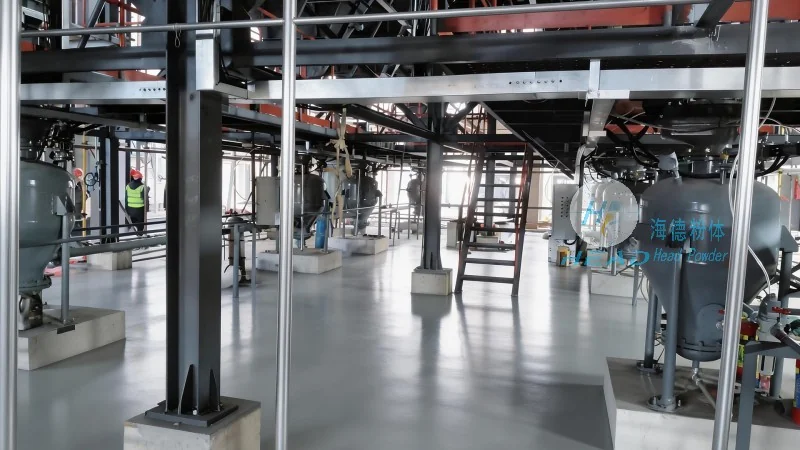
Shandong HeadPowder Engineering Co., Ltd. is a reputable engineering firm specializing in the design and installation of powder handling systems, including steel limestone powder conveying lines. The company has a strong presence in the steel industry, with extensive experience in understanding the unique requirements of steel manufacturers. HeadPowder's team of engineers and technicians is well-versed in the latest technologies and materials used in powder handling, ensuring that their systems are both innovative and durable. The company's headquarters is located in Shandong, China, a region known for its industrial expertise and manufacturing capabilities. HeadPowder serves clients globally, providing customized solutions tailored to specific production needs and site conditions. By leveraging local resources and international standards, the company ensures that its steel limestone powder conveying lines meet the highest quality and safety requirements, delivering long-term value to its clients.




