For those in the fertilizer industry, understanding the technology behind compound fertilizer powder conveying lines is crucial for efficient production and material handling. A compound fertilizer powder conveying line is a specialized system designed to transport bulk powder materials, such as those used in the production of compound fertilizers, from one location to another within a facility. These systems are integral to modern fertilizer manufacturing processes, ensuring that raw materials are moved safely, efficiently, and in compliance with industrial standards.
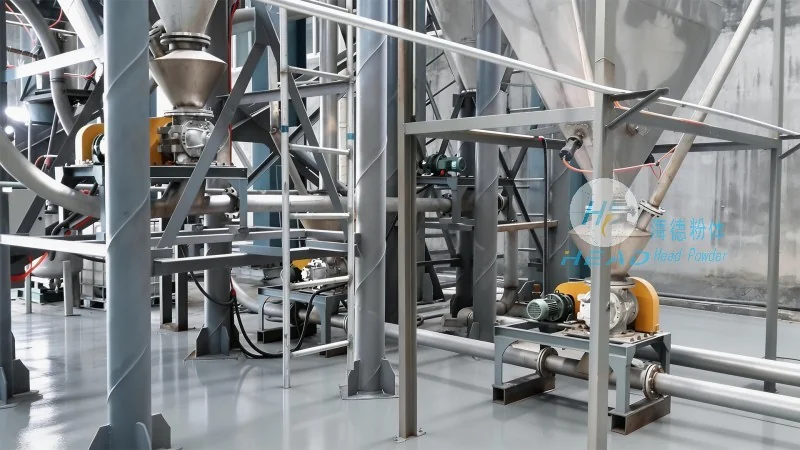
Key Components and Design Principles of Compound Fertilizer Powder Conveying Lines
The design of a compound fertilizer powder conveying line is built on several core principles to ensure optimal performance. First, the system must handle the specific properties of fertilizer powders, which can vary in terms of particle size, moisture content, and flowability. To address these variations, engineers incorporate components like screw conveyors, pneumatic conveyors, and bucket elevators, each tailored to the material's characteristics. For instance, screw conveyors are effective for materials with moderate flowability, while pneumatic systems are ideal for fine powders that require dust control and minimal product degradation.
Another critical design principle is the integration of dust control measures. Fertilizer powders are often fine and can create airborne dust, which poses health and safety risks. Therefore, conveying lines typically include dust collection systems, such as cyclones or baghouses, to capture and filter particles. This not only protects workers but also prevents environmental contamination, aligning with regulatory requirements. Additionally, the system's layout is designed for minimal material loss and maximum throughput. Engineers consider factors like the height and distance of material transport, selecting the most efficient equipment to minimize energy consumption and operational costs.
How Shandong HeadPowder Engineering Co., Ltd. Designs and Manufactures These Systems
At Shandong HeadPowder Engineering Co., Ltd., we specialize in the design and manufacturing of compound fertilizer powder conveying lines. Our team of experienced engineers leverages advanced technology and industry best practices to create customized solutions that meet the unique needs of each client. We understand that every fertilizer production facility has distinct requirements, from the type of raw materials to the scale of operations. Therefore, our approach involves a thorough analysis of the client's production process, followed by the development of a tailored conveying system.
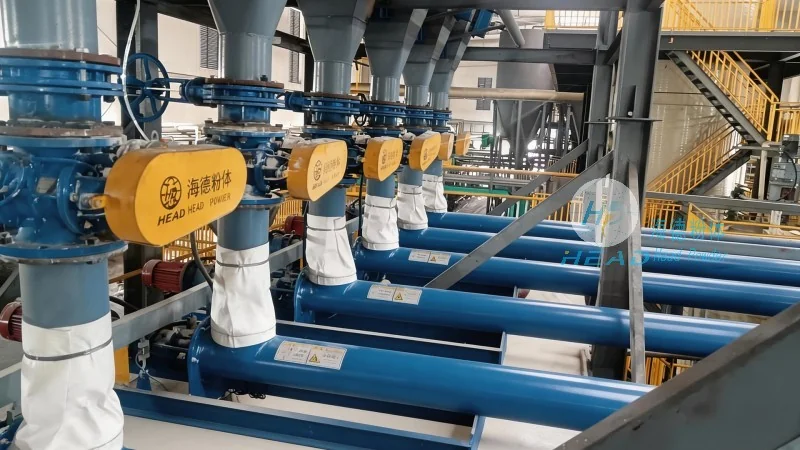
Our design process begins with a detailed assessment of the material properties. We evaluate factors such as particle size distribution, moisture content, and bulk density to determine the most suitable conveying method. For example, if the fertilizer powder is highly fine and prone to caking, we may recommend a pneumatic conveying system with a positive displacement blower to maintain consistent flow. Conversely, for bulkier materials with good flowability, a screw conveyor or belt conveyor might be more appropriate. This customized approach ensures that the system operates at peak efficiency, reducing downtime and maintenance costs.
We also prioritize durability and reliability in our designs. Fertilizer production environments are often harsh, with high temperatures and abrasive materials. To ensure long-term performance, our conveying lines are constructed from high-quality materials, such as stainless steel and corrosion-resistant alloys, which resist wear and corrosion. Additionally, we incorporate features like automatic cleaning and maintenance systems to minimize operational interruptions. Our commitment to quality is reflected in our adherence to international standards, ensuring that our products meet the highest safety and performance benchmarks.
Benefits of Using a Well-Designed Compound Fertilizer Powder Conveying Line
Investing in a well-designed compound fertilizer powder conveying line offers numerous benefits for fertilizer manufacturers. First and foremost, it enhances operational efficiency by streamlining material handling processes. By automating the transport of raw materials and finished products, companies can reduce labor costs and increase production throughput. This is particularly important in large-scale fertilizer plants where material movement can account for a significant portion of operational time.
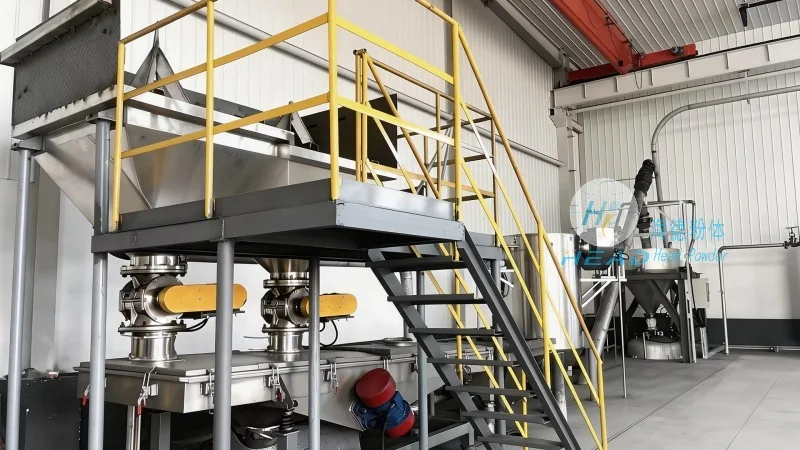
Another key benefit is improved safety. The integration of dust control systems and enclosed conveying mechanisms minimizes the risk of dust exposure and related health issues. This not only protects employees but also helps companies comply with occupational health and safety regulations. Furthermore, the reduced risk of material spillage and contamination improves product quality, as it prevents cross-contamination between different batches of fertilizer.
Cost savings are another significant advantage. Efficient conveying systems reduce energy consumption and maintenance requirements, leading to lower operational expenses over time. By optimizing the flow of materials, companies can also minimize waste, as less material is lost during transport. This contributes to a more sustainable and environmentally friendly production process. Additionally, the reliability of our systems reduces downtime, allowing manufacturers to maintain consistent production schedules and meet customer demand.
Conclusion
In conclusion, a compound fertilizer powder conveying line is a vital component of modern fertilizer production, designed to handle the unique challenges of powder material transport. The design principles behind these systems focus on efficiency, safety, and durability, ensuring that they meet the demands of the industry. At Shandong HeadPowder Engineering Co., Ltd., we are dedicated to providing high-quality, customized solutions that enhance the performance and productivity of fertilizer manufacturing facilities. By leveraging our expertise and advanced technology, we help clients achieve their production goals while maintaining compliance with industry standards and regulations.




