Barite powder conveying systems are specialized industrial equipment designed to transport barite powder, a heavy mineral used in various applications such as oil drilling, medical imaging, and industrial weighting. These systems are crucial for efficient and safe handling of barite powder, which is known for its high density and fine particle size. The design of these systems must address the unique challenges posed by barite powder, including its tendency to clog, agglomerate, and require precise control to maintain consistent flow rates.
About Shandong HeadPowder Engineering Co., Ltd.
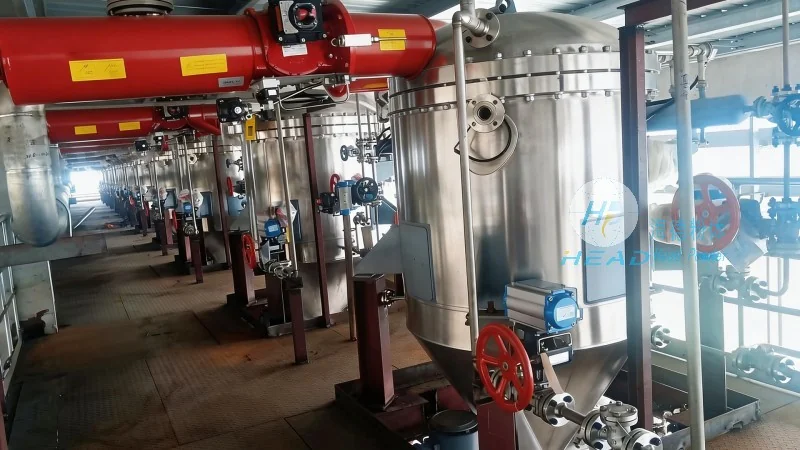
HeadPowder, the professional manufacturer behind these advanced conveying systems, is a leading company based in Shandong, China. With years of experience in the powder handling industry, HeadPowder specializes in developing customized solutions for various bulk materials, including barite. The company’s commitment to quality and innovation has made it a trusted partner for businesses seeking reliable and efficient powder conveying solutions. HeadPowder’s team of engineers and technicians work closely with clients to understand their specific needs and design systems that meet the highest standards of performance and safety.
Key Components of a Barite Powder Conveying System
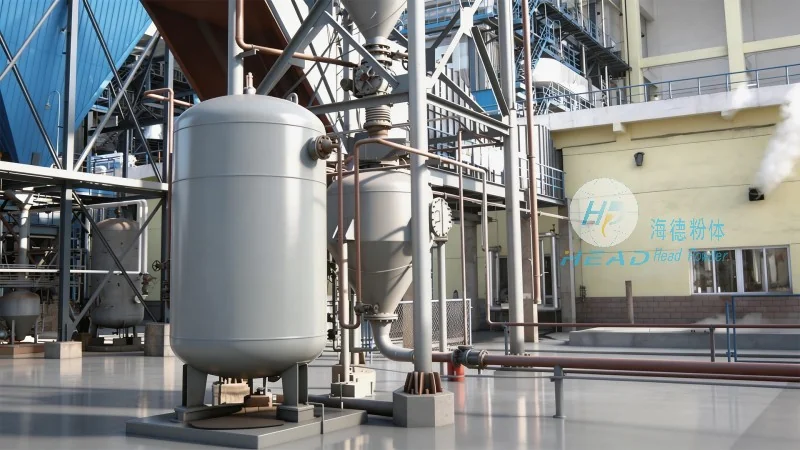
The core components of a barite powder conveying system typically include a feeding hopper, a conveyor (such as a screw conveyor or pneumatic conveyor), a control system, and a dust collection unit. The feeding hopper is designed to store and feed the barite powder into the conveyor at a controlled rate. The conveyor then transports the powder to the desired location, such as a storage silo or processing unit. The control system monitors and regulates the flow rate, pressure, and other parameters to ensure smooth operation. The dust collection unit is essential for maintaining a clean and safe working environment by capturing any airborne particles.
Design Principles for Efficient Barite Powder Handling
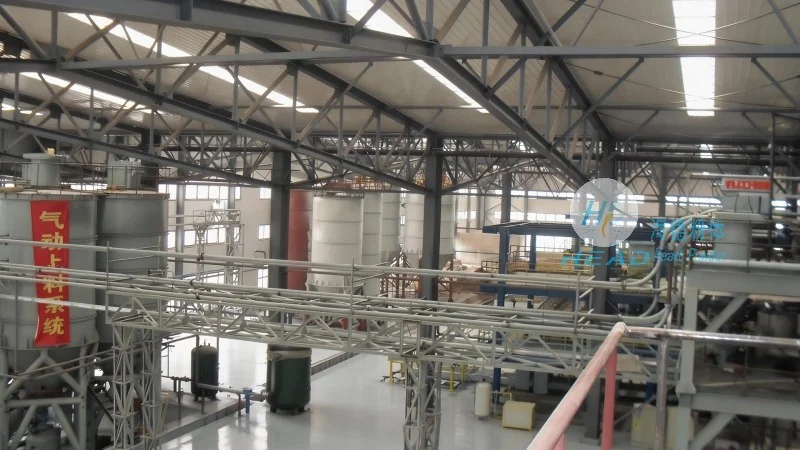
The design of a barite powder conveying system follows several key principles to ensure optimal performance. First, the system must be designed to prevent clogging and agglomeration, which are common issues with fine powders like barite. This is achieved through the use of appropriate hopper designs, such as conical hoppers with smooth walls and proper venting to reduce static electricity. Second, the conveyor must be selected based on the specific properties of the barite powder, including its particle size distribution, moisture content, and flowability. For example, a screw conveyor may be suitable for dry, free-flowing barite powder, while a pneumatic conveyor is better for handling fine or dusty powders that require more precise control. Third, the system must incorporate effective dust control measures to comply with environmental regulations and ensure worker safety. This includes the use of dust collectors, filters, and proper ventilation systems.
Advantages of Using a Professional Barite Powder Conveying System
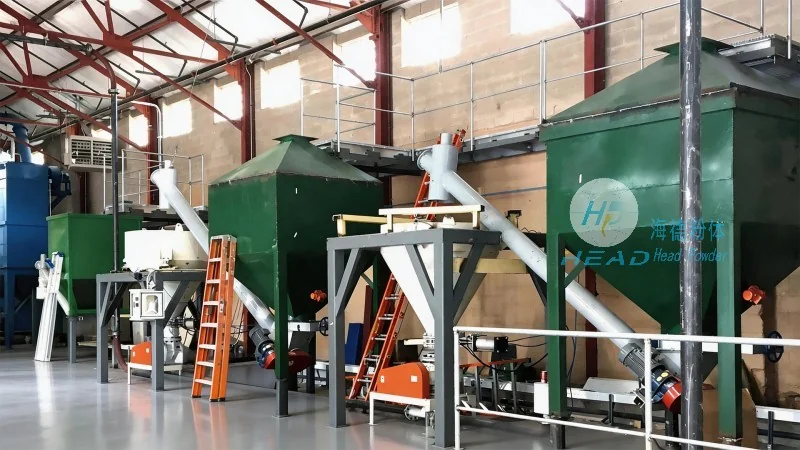
Investing in a professional barite powder conveying system from a reputable manufacturer like HeadPowder offers several advantages. First, these systems are designed to handle the unique challenges of barite powder, ensuring consistent and reliable performance. This reduces downtime and maintenance costs, as the system is less likely to experience clogs or other issues. Second, the systems are equipped with advanced control technologies that allow for precise monitoring and adjustment of the conveying process. This enables operators to optimize the flow rate and pressure, improving overall efficiency and reducing energy consumption. Third, the use of high-quality materials and components ensures the longevity and durability of the system, providing a long-term solution for barite powder handling needs. Finally, the systems are designed with safety in mind, incorporating features such as emergency stop buttons, dust collection units, and proper ventilation to protect workers and the environment.




