Pharmaceutical powder handling systems are critical components in the manufacturing and processing of medicinal products. These systems are designed to safely and efficiently transport, store, and manage powders used in pharmaceutical production. The equipment plays a vital role in ensuring product quality, maintaining compliance with regulatory standards, and optimizing production workflows. In this article, we will explore what these systems entail and delve into their fundamental design principles.
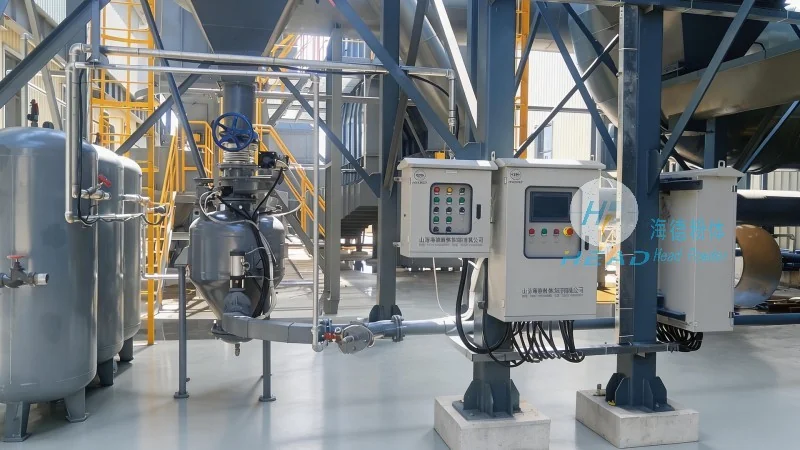
About HeadPowder: Your Partner in Pharmaceutical Equipment Solutions
HeadPowder, or Shandong HeadPowder Engineering Co., Ltd., is a leading manufacturer specializing in pharmaceutical processing equipment. With a focus on innovation and precision engineering, the company provides comprehensive solutions for powder handling and related applications. HeadPowder's expertise lies in developing systems that meet the stringent requirements of the pharmaceutical industry, ensuring reliability, safety, and efficiency in every operation. The company's headquarters is located in Shandong, China, where it operates a state-of-the-art facility dedicated to research, development, and production.
Key Components of Pharmaceutical Powder Handling Systems
Pharmaceutical powder handling systems typically consist of several key components that work in tandem to achieve seamless powder processing. These components include feeders, conveyors, hoppers, and storage vessels. Each component is designed to handle powders with specific characteristics, such as particle size, flowability, and moisture content. Feeders, for example, are responsible for controlling the flow rate of powders from storage to processing equipment. Conveyors, on the other hand, transport powders between different stages of the production line. Hoppers and storage vessels provide temporary or long-term storage, ensuring that powders are kept in a controlled environment to prevent contamination or degradation.
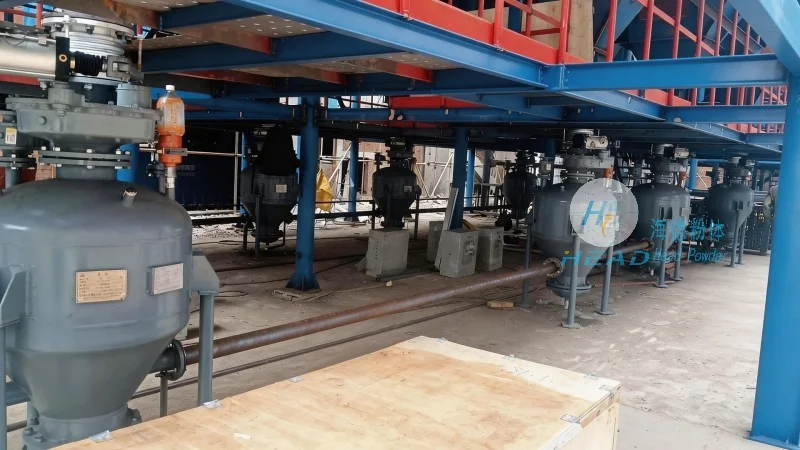
Design Principles for Pharmaceutical Powder Handling Systems
The design of pharmaceutical powder handling systems is guided by several key principles that prioritize safety, efficiency, and compliance. One of the primary principles is the prevention of powder contamination. This involves using materials that are non-reactive with the powders being handled and implementing proper sealing and cleaning procedures. Another critical principle is the control of powder flow. Proper design ensures that powders move smoothly through the system without clogging or bridging, which can lead to production delays or equipment damage. Additionally, the systems are designed to minimize dust generation and exposure, as airborne particles can pose health risks to operators and compromise product quality.
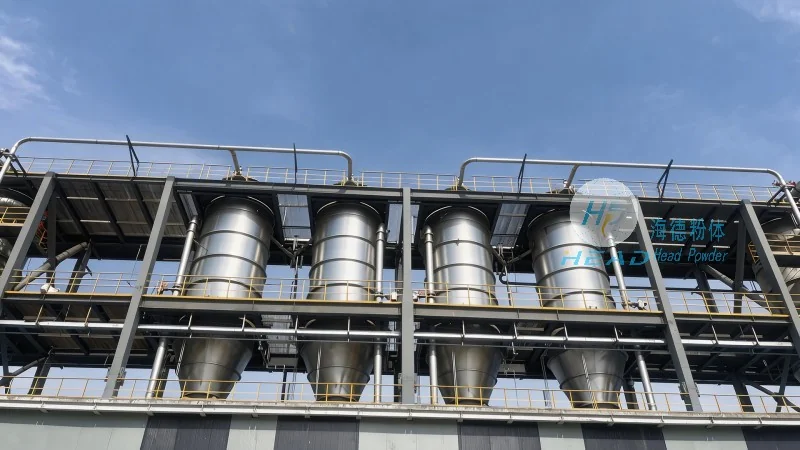
Material Selection and Construction
Material selection is a crucial aspect of pharmaceutical powder handling system design. The equipment must be constructed from materials that are compatible with the powders being processed and that meet regulatory standards for food and drug contact. Common materials include stainless steel, which offers excellent corrosion resistance and ease of cleaning. Other materials, such as PTFE or polypropylene, may be used for specific applications where chemical resistance is required. The construction of the system also considers factors like hygiene, durability, and ease of maintenance. All components are designed to be easily disassembled and cleaned to prevent the buildup of residues that could affect product purity.
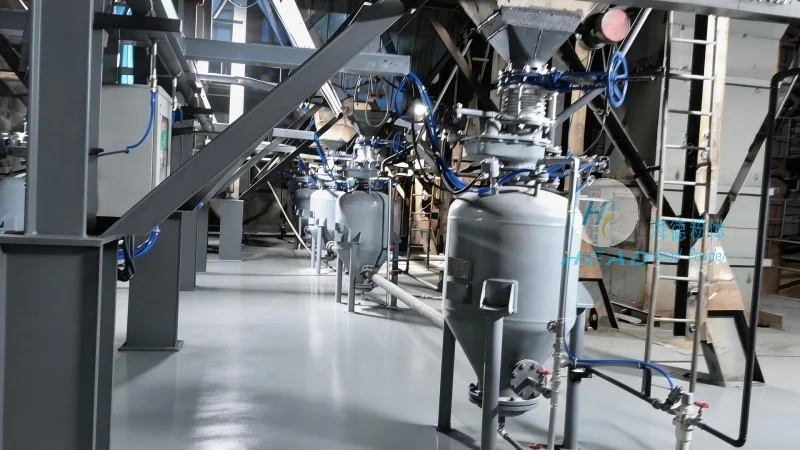
Automation and Control Systems
Modern pharmaceutical powder handling systems often incorporate advanced automation and control systems to enhance operational efficiency and ensure consistent performance. These systems use sensors, controllers, and software to monitor and regulate various parameters, such as flow rates, pressure, and temperature. Automation reduces the risk of human error and ensures that the system operates within predefined limits. Additionally, control systems enable remote monitoring and data logging, allowing operators to track the performance of the equipment over time. This data can be used for process optimization and to identify potential issues before they become major problems. The integration of automation also improves safety by minimizing the need for manual handling of powders, reducing exposure to airborne particles and other hazards.
Regulatory Compliance and Quality Assurance
Pharmaceutical powder handling systems must comply with various regulatory standards, such as those set by the FDA (Food and Drug Administration) and other international bodies. Compliance is achieved through rigorous design, testing, and documentation processes. The systems are designed to meet cGMP (current Good Manufacturing Practices) requirements, which emphasize quality, safety, and efficiency in manufacturing. Quality assurance measures include regular inspections, testing of materials and components, and validation of the system's performance. These measures ensure that the equipment operates as intended and that the powders handled are of the highest quality. HeadPowder adheres to these standards, providing systems that are not only effective but also compliant with industry regulations.




