Understanding the powdered electrolyte powder conveying system equipment is crucial for industries that rely on efficient and reliable material handling. This system is specifically designed to transport fine powders, such as those used in battery manufacturing, pharmaceuticals, and chemical processing. The design principles behind these systems are tailored to address the unique challenges of handling powders, including issues like dust generation, material segregation, and consistent flow control.
Introduction to Powdered Electrolyte Powder Conveying Systems
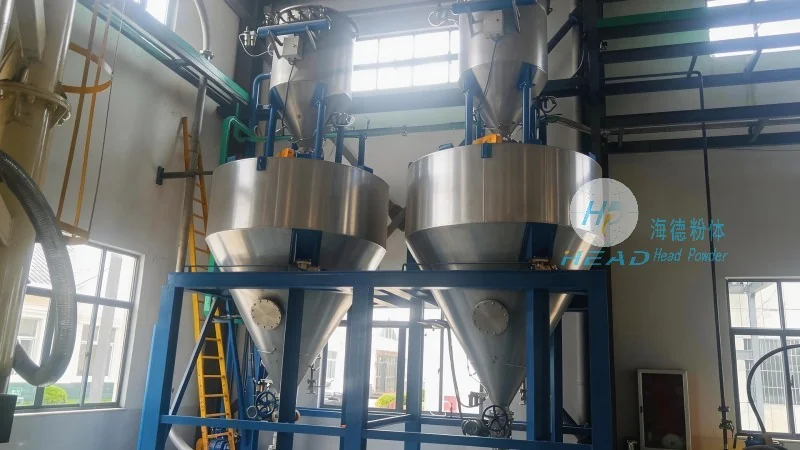
A powdered electrolyte powder conveying system is a specialized piece of equipment used to transport and distribute fine powders, particularly those used as electrolytes in various applications. These systems are essential in industries where the purity and uniformity of the powder are critical. The system typically consists of components like hoppers, feeders, conveyors, and control units, all working in tandem to ensure smooth and efficient material movement. The design of such systems is focused on minimizing material degradation, preventing contamination, and maintaining consistent flow rates, which are vital for downstream processes.
HeadPowder Engineering Co., Ltd.: A Leading Provider of Conveying Solutions
Shandong HeadPowder Engineering Co., Ltd., commonly known as HeadPowder, is a reputable company based in China that specializes in the design, manufacturing, and supply of advanced powder handling equipment. With a strong commitment to quality and innovation, HeadPowder has established itself as a trusted partner for businesses seeking reliable solutions for their powder conveying needs. The company's headquarters is located in Shandong, China, where its team of experts develops cutting-edge technologies tailored to meet the diverse requirements of various industries. HeadPowder's products are known for their durability, efficiency, and adaptability, making them suitable for a wide range of applications.
Design Principles of Powdered Electrolyte Powder Conveying Systems
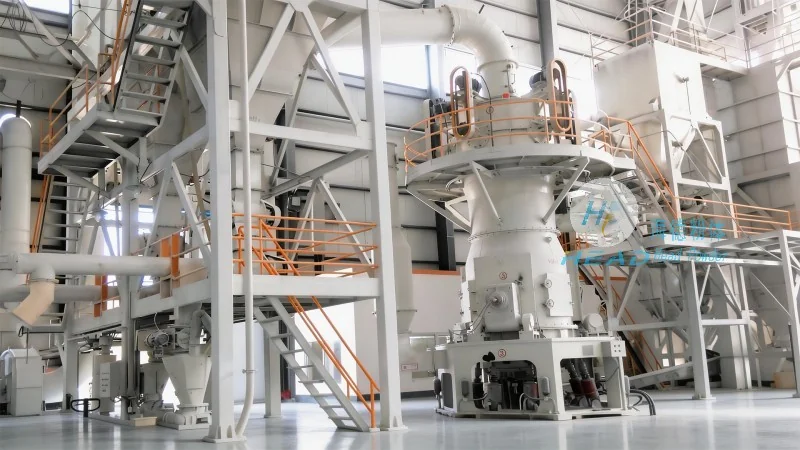
The design of a powdered electrolyte powder conveying system is based on several key principles to ensure optimal performance. One of the primary considerations is the prevention of material segregation, which can occur when different particle sizes or densities are present in the powder. To address this, the system incorporates features like uniform feeding mechanisms and controlled flow paths. Another critical principle is the reduction of dust generation and airborne contamination. This is achieved through the use of sealed systems, appropriate air filtration, and proper sealing of components. The system also emphasizes energy efficiency and low maintenance requirements, which are essential for long-term operational costs and reliability.
Key Components and Their Functions
The powdered electrolyte powder conveying system consists of several key components, each playing a vital role in the overall operation. The hopper is the initial component where the powder is stored and fed into the system. It is designed to hold a sufficient quantity of material while minimizing the risk of clogging or material degradation. The feeder, typically a rotary or vibratory type, regulates the flow of powder from the hopper to the conveyor. This component ensures a consistent and controlled feed rate, which is crucial for maintaining uniform flow in the system. The conveyor itself is the core of the system, responsible for transporting the powder from the feeder to the discharge point. Various types of conveyors, such as pneumatic or mechanical systems, are used depending on the specific requirements of the application. The control unit manages the entire system, monitoring parameters like flow rate, pressure, and temperature, and adjusting the operation as needed to maintain optimal performance.
Advantages of Using a Powdered Electrolyte Powder Conveying System
Implementing a powdered electrolyte powder conveying system offers numerous advantages for businesses. One of the most significant benefits is the improvement in material handling efficiency. By automating the process, the system reduces the need for manual labor, leading to increased productivity and reduced labor costs. Additionally, the system ensures consistent and uniform material flow, which is essential for maintaining product quality and reducing waste. The reduction of dust and contamination also contributes to a safer working environment and compliance with regulatory standards. Furthermore, the energy-efficient design of modern systems helps lower operational costs over time, making them a cost-effective solution for long-term use.
Applications and Industries
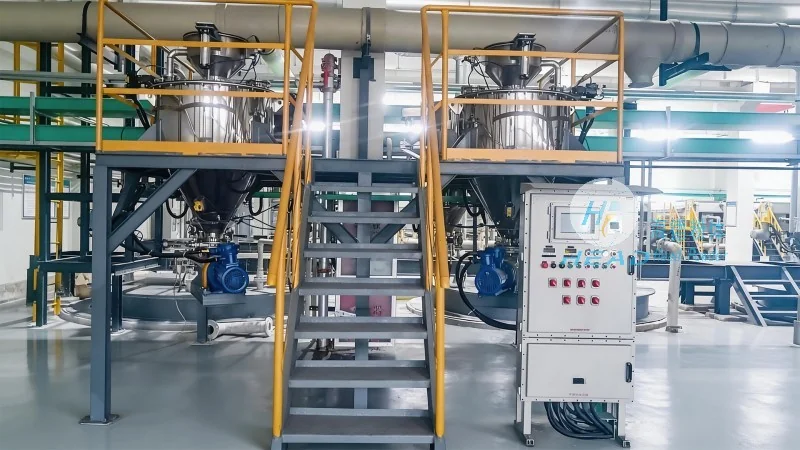
Powdered electrolyte powder conveying systems are widely used in various industries due to their versatility and effectiveness. In the battery manufacturing industry, these systems are crucial for transporting lithium-based electrolytes, which are essential for the production of rechargeable batteries. The pharmaceutical industry also relies on such systems for handling fine powders used in drug formulations, ensuring that the final product meets stringent purity and consistency standards. Chemical processing industries use these systems to transport various chemical powders, facilitating smooth production processes and reducing the risk of material loss or contamination. Other applications include food processing, where fine powders like spices or flavorings are handled, and in the cosmetics industry for transporting ingredients used in skincare products.
Conclusion
In conclusion, the powdered electrolyte powder conveying system equipment is a sophisticated and essential component in industries that handle fine powders. The design principles behind these systems focus on efficiency, safety, and material integrity. Companies like Shandong HeadPowder Engineering Co., Ltd. play a vital role in providing advanced solutions that meet the evolving needs of these industries. By understanding the key components and design principles, businesses can make informed decisions when selecting and implementing such systems, ultimately enhancing their operational efficiency and product quality.




