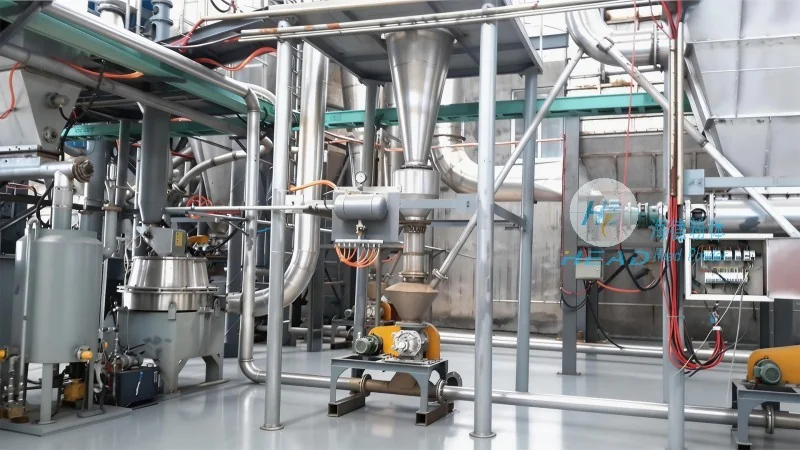
Automatic feeding material handling systems are integral to modern manufacturing and industrial processes, streamlining the movement and organization of raw materials, components, and finished products. These systems are designed to enhance efficiency, reduce labor costs, and minimize errors in material handling operations. Understanding the core concepts and design principles behind such systems is crucial for businesses seeking to optimize their production workflows, as exemplified by the solutions offered by Shandong HeadPowder Engineering Co., Ltd.
Introduction to Automatic Feeding Material Handling
Automatic feeding material handling refers to the use of automated technologies and machinery to transport, position, and feed materials through various stages of a production line. Unlike manual material handling, which relies on human labor for each step, automated systems utilize sensors, actuators, and control systems to perform tasks with precision and consistency. The primary goal of these systems is to improve productivity, ensure safety, and maintain quality control throughout the material handling process.
Key Components of an Automatic Feeding System
An effective automatic feeding material handling system typically consists of several interconnected components that work in harmony to achieve the desired outcomes. These components include material feeders, conveyors, sorting mechanisms, positioning devices, and control units. Each component plays a critical role in the overall functionality of the system.
Material feeders are responsible for extracting individual items from a bulk container or storage bin and delivering them to the next stage of the process. There are various types of feeders, such as vibratory feeders, rotary feeders, and belt feeders, each suited to different material characteristics and handling requirements. The choice of feeder depends on factors like material size, shape, and density.
Conveyors are another essential component, providing a continuous path for material movement. They can be designed as belt conveyors, chain conveyors, or roller conveyors, depending on the load capacity and material type. Conveyors ensure that materials are transported efficiently and reliably from one station to another, often integrating with other components like feeders and sorters.
Sorting mechanisms are used to separate or arrange materials based on specific criteria, such as size, weight, or orientation. These systems may employ optical sensors, magnetic sensors, or mechanical sorters to identify and direct materials to the appropriate paths. Sorting is particularly important in applications where mixed materials need to be separated for further processing or quality inspection.
Positioning devices, such as robotic arms or pneumatic actuators, are used to accurately place materials at specific locations within the production line. These devices enhance precision and flexibility, allowing for complex part placement and assembly tasks. By integrating positioning technology, automatic feeding systems can adapt to varying production demands and maintain high levels of accuracy.
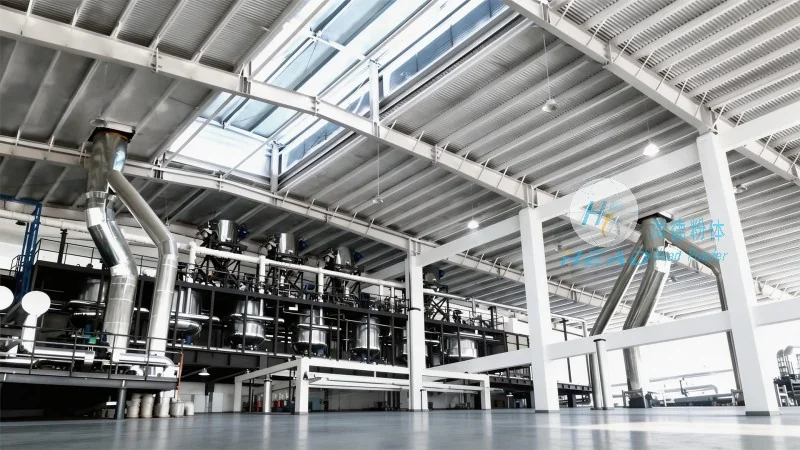
Control units, often based on programmable logic controllers (PLCs) or industrial computers, manage the entire operation of the automatic feeding system. They coordinate the actions of all components, monitor system performance, and adjust parameters as needed to optimize efficiency. Modern control systems may also incorporate artificial intelligence and machine learning algorithms to improve decision-making and adapt to changing conditions.
Design Principles for Effective Automatic Feeding Systems
The design of an automatic feeding material handling system follows several key principles aimed at maximizing performance, reliability, and adaptability. These principles guide engineers in selecting appropriate components, configuring system layouts, and implementing control strategies.
First, the principle of modularity is crucial. Modular design allows for flexibility in system configuration, enabling businesses to scale operations or adapt to new production requirements without significant reengineering. By using standardized components and interfaces, modular systems can be easily expanded or modified to meet evolving needs.
Second, the principle of integration is essential. An effective system integrates various components and technologies to create a cohesive workflow. This integration ensures that each part of the process works in sync, minimizing bottlenecks and improving overall efficiency. For example, a feeder may be integrated with a conveyor and a sorter to form a complete material handling line.
Third, the principle of automation and control is central to the design. Automation reduces human intervention, leading to increased consistency and reduced errors. Advanced control systems, such as PLCs and industrial software, enable precise monitoring and adjustment of system parameters. This allows for real-time optimization and quick response to changes in production demands.
Fourth, the principle of safety and reliability is paramount. Automatic feeding systems must be designed with safety features to protect operators and prevent accidents. This includes emergency stop mechanisms, safety sensors, and robust mechanical components. Reliability is also critical, as downtime can significantly impact production efficiency and costs. Engineers often employ redundant systems and regular maintenance schedules to ensure system uptime.
Fifth, the principle of adaptability and scalability is important for long-term success. As businesses grow or production needs change, the system should be able to adapt without major overhauls. This may involve using flexible feeders, adjustable conveyors, or modular control systems that can be reconfigured as needed.
Applications and Benefits of Automatic Feeding Material Handling
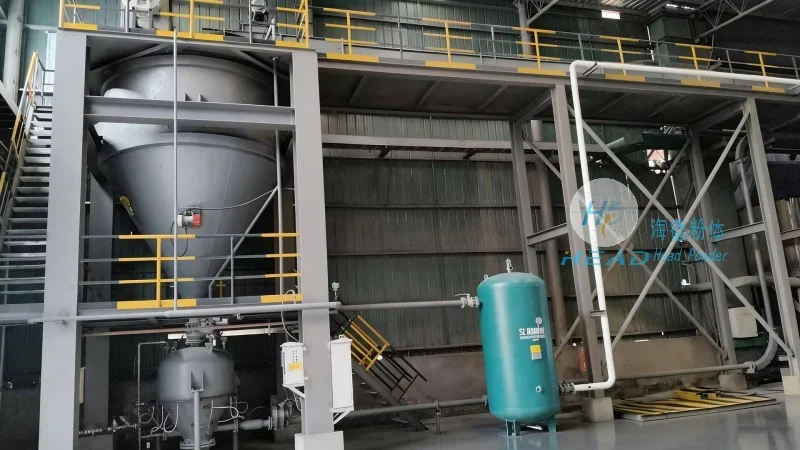
Automatic feeding material handling systems are widely used across various industries, including manufacturing, logistics, and packaging. Their applications range from simple part feeding to complex assembly operations. The benefits of implementing such systems are significant and include improved productivity, reduced labor costs, enhanced quality control, and increased safety.
In manufacturing, automatic feeding systems are used to feed raw materials into machines for processing, such as injection molding or CNC machining. By automating the material feeding process, manufacturers can increase production rates and reduce cycle times. For example, a vibratory feeder can continuously supply small parts to a CNC machine, ensuring a steady flow of materials and minimizing downtime.
In logistics and warehousing, automatic feeding systems are used for sorting and transporting packages. These systems can sort packages based on destination or type, using optical sensors and conveyor networks to direct them to the correct shipping lanes. This improves order fulfillment efficiency and reduces the risk of errors in order processing.
In packaging industries, automatic feeding systems are used to feed products into packaging machines. These systems ensure that products are placed correctly and at the right speed, improving packaging quality and reducing waste. By automating the feeding process, packaging lines can operate continuously with minimal human intervention.
Overall, the benefits of automatic feeding material handling systems extend beyond just efficiency gains. They also contribute to cost savings by reducing labor requirements and minimizing material waste. Additionally, these systems enhance safety by minimizing human exposure to hazardous materials or heavy lifting tasks.
Conclusion
Automatic feeding material handling systems represent a cornerstone of modern industrial automation, offering significant advantages in terms of efficiency, productivity, and safety. By understanding the key components and design principles behind these systems, businesses can make informed decisions about implementing or upgrading their material handling infrastructure. As technology continues to advance, the capabilities of automatic feeding systems will likely expand, further revolutionizing manufacturing and logistics operations.




