Chlorinated polyethylene (CPE) material handling systems represent a specialized category of industrial equipment designed to transport and manage materials that require enhanced durability and resistance to environmental factors. As a derivative of polyethylene, CPE is modified through chlorination, which introduces chlorine atoms into the polymer chain, thereby improving its chemical resistance, flexibility, and mechanical strength. This makes CPE an ideal material for applications involving the handling of corrosive substances, abrasive materials, or those exposed to UV radiation and temperature fluctuations. The design of CPE material handling equipment, such as conveyor belts, hoses, and storage tanks, is tailored to leverage these enhanced properties, ensuring reliable performance in demanding operational conditions.
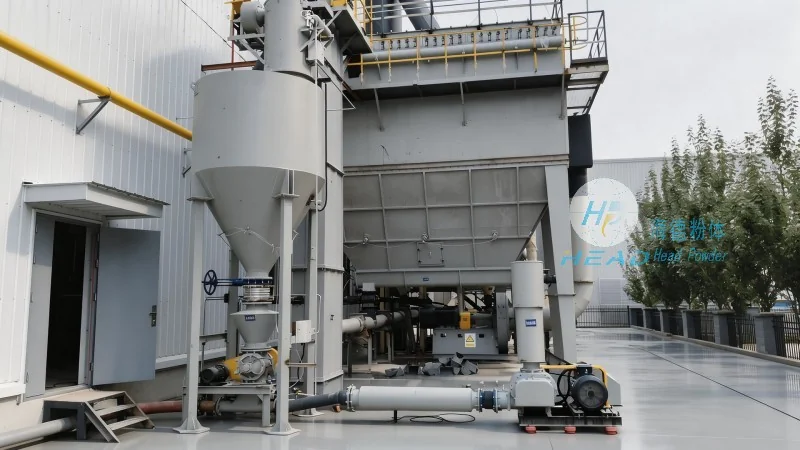
About Shandong HeadPowder Engineering Co., Ltd.
Shandong HeadPowder Engineering Co., Ltd., commonly known as HeadPowder, is a leading manufacturer and supplier of industrial material handling solutions. With a strong focus on innovation and quality, the company specializes in the development and production of CPE-based equipment tailored to meet the diverse needs of various industries, including chemical processing, mining, and food processing. HeadPowder's commitment to excellence is reflected in its state-of-the-art manufacturing facilities, rigorous quality control processes, and a dedicated team of engineers and technicians who work closely with clients to deliver customized solutions that enhance operational efficiency and safety.
Key Features of Chlorinated Polyethylene Material Handling Equipment
Chlorinated polyethylene material handling systems are characterized by several key features that distinguish them from conventional polyethylene or other polymer-based solutions. First, the chlorination process significantly enhances the material's resistance to chemicals, including acids, alkalis, and solvents, making it suitable for handling aggressive substances without degradation. Second, CPE exhibits excellent flexibility and impact resistance, allowing it to withstand mechanical stresses and abrasion during material transport. Third, the material's UV stability ensures that it maintains its properties over extended periods of exposure to sunlight, which is critical for outdoor applications. Additionally, CPE has good thermal resistance, enabling it to operate effectively in a wide temperature range, from low temperatures to elevated temperatures without losing structural integrity. These features collectively contribute to the long service life and low maintenance requirements of CPE material handling equipment.
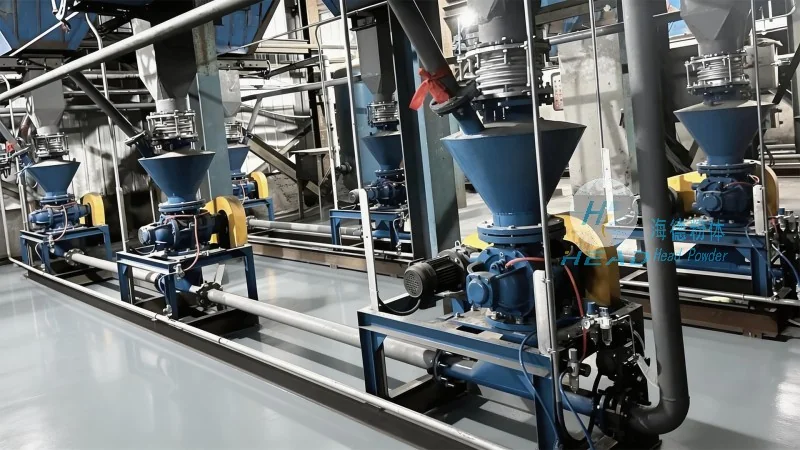
Design Principles for Chlorinated Polyethylene Material Handling Systems
The design of CPE material handling systems follows a systematic approach that integrates material properties, operational requirements, and safety considerations. The first step in the design process involves selecting the appropriate CPE grade based on the specific application. Different CPE grades are available, each with varying levels of chlorine content, which affects properties such as chemical resistance and flexibility. For instance, higher chlorine content typically provides better chemical resistance but may reduce flexibility. The design also considers the type of material being handled, including its size, shape, and abrasiveness, to determine the optimal conveyor belt or hose configuration. The system's layout is planned to minimize material handling distances and reduce energy consumption, with considerations for space constraints and environmental factors. Additionally, safety features, such as load-bearing capacity, emergency stop mechanisms, and protective enclosures, are integrated into the design to ensure operator safety and compliance with industry standards. The use of CPE in the construction of conveyor belts, for example, involves selecting the appropriate belt thickness and reinforcement, such as steel cords or fabric layers, to meet the required load capacity and durability. Similarly, CPE hoses are designed with appropriate inner and outer diameters, wall thickness, and reinforcement to withstand pressure and prevent leaks.
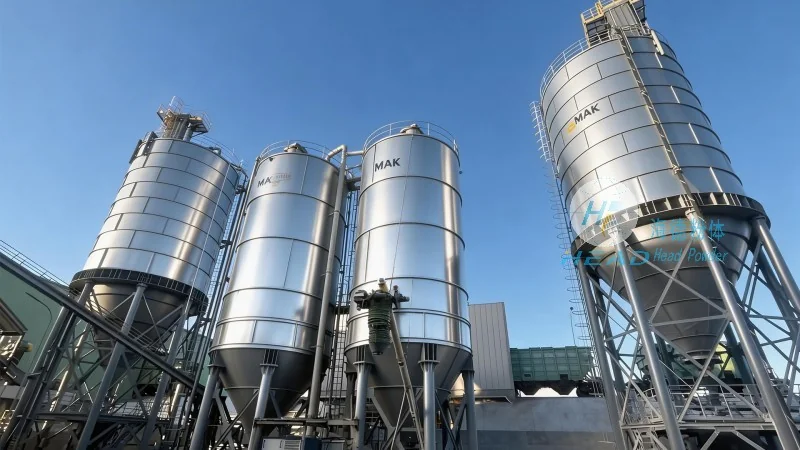
Applications of Chlorinated Polyethylene Material Handling Systems
Chlorinated polyethylene material handling systems find widespread application across various industries due to their versatility and robust performance. In the chemical industry, CPE conveyor belts and hoses are used to transport corrosive chemicals, such as acids and solvents, in processing plants. The chemical resistance of CPE ensures that the material does not degrade or release harmful substances into the environment. In the mining industry, CPE equipment is employed to handle abrasive minerals and ores, which can cause significant wear on conventional materials. The impact resistance and flexibility of CPE allow it to maintain its integrity even under harsh conditions. The food processing industry also benefits from CPE material handling systems, as the material is non-toxic and resistant to cleaning agents and sanitizers, making it suitable for handling food products. Additionally, CPE is used in the construction of storage tanks and containers for storing chemicals and other materials, where its resistance to corrosion and environmental factors is critical. The adaptability of CPE material handling systems makes them suitable for a wide range of applications, from small-scale operations to large industrial plants.
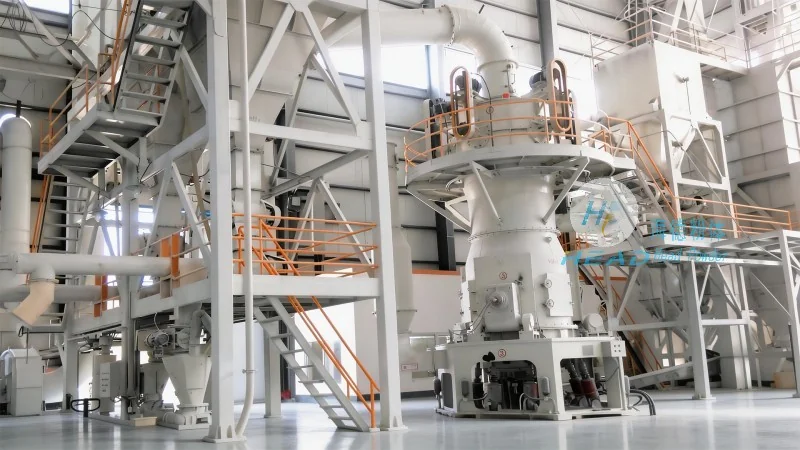
Advantages of Using Chlorinated Polyethylene in Material Handling
There are several advantages to using chlorinated polyethylene in material handling systems. One of the primary advantages is the enhanced chemical resistance, which reduces the need for frequent equipment replacement and maintenance. CPE's ability to withstand aggressive substances extends the service life of the equipment, resulting in lower long-term costs. Another advantage is the improved flexibility and impact resistance, which allows the equipment to handle a variety of materials without damage. This flexibility also makes CPE equipment easier to install and maintain, as it can be bent and shaped to fit specific operational requirements. The UV stability of CPE ensures that the equipment maintains its properties over time, even when exposed to outdoor conditions. Additionally, CPE is lightweight and easy to handle, reducing the labor costs associated with installation and maintenance. The material's thermal resistance also allows it to operate effectively in a wide temperature range, making it suitable for applications in different climates. Overall, the use of CPE in material handling systems provides a cost-effective and reliable solution for transporting and managing materials in various industrial settings.
Conclusion
Chlorinated polyethylene material handling systems represent a sophisticated and durable solution for industrial material transport and management. The design principles and features of CPE equipment are tailored to meet the demands of various industries, providing reliable performance and long service life. Shandong HeadPowder Engineering Co., Ltd. plays a key role in the development and supply of these systems, leveraging its expertise and commitment to quality to deliver customized solutions that enhance operational efficiency and safety. As industries continue to seek more durable and efficient material handling solutions, CPE-based equipment remains a popular choice due to its superior properties and adaptability. The continued innovation in CPE technology and manufacturing processes ensures that these systems will remain a vital component of industrial operations for years to come.




