Phosphate iron material handling systems are specialized equipment designed to transport and manage phosphate iron materials efficiently. These systems are crucial in industrial settings where phosphate iron is processed or used as a raw material. The design of such systems focuses on ensuring safe, reliable, and efficient material movement, which is essential for maintaining production efficiency and safety standards.
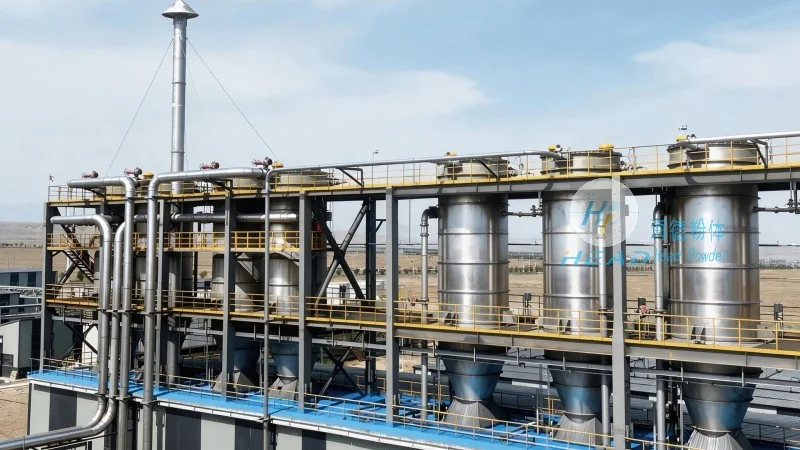
Introduction to Phosphate Iron Material Handling Systems
Phosphate iron, a key component in various industrial applications, requires specialized handling due to its properties and the nature of the processes it is involved in. A phosphate iron material handling system is a comprehensive setup that includes conveyors, feeders, storage units, and control mechanisms. The primary goal of these systems is to facilitate the smooth transfer of phosphate iron from one stage of production to another, minimizing downtime and operational risks.
Key Components of a Phosphate Iron Material Handling System
The effectiveness of a phosphate iron material handling system depends on several critical components. These include bulk material conveyors, such as belt conveyors or screw conveyors, which are chosen based on the material's characteristics and the required throughput. Feeders, like vibratory feeders or rotary valves, are used to regulate the flow of phosphate iron into the conveyor system, ensuring consistent and controlled material movement. Storage silos or hoppers are also integral parts, providing a buffer to maintain a steady supply of material to the processing units.
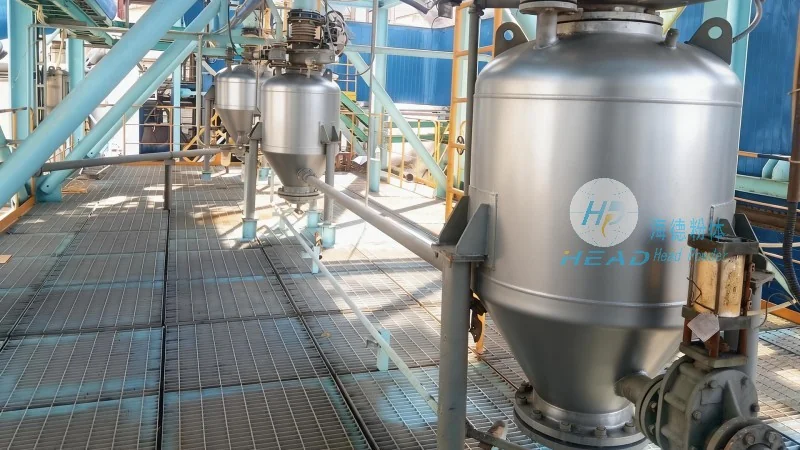
Design Principles for Phosphate Iron Material Handling Systems
The design of a phosphate iron material handling system follows several fundamental principles aimed at optimizing performance and safety. First, the system must be designed to handle the specific physical and chemical properties of phosphate iron, such as its particle size, moisture content, and abrasiveness. This involves selecting appropriate materials for the conveyor components, such as high-strength steel or wear-resistant coatings, to prevent degradation and ensure longevity. Second, the system must prioritize safety, incorporating features like emergency stop mechanisms, overload protection, and proper ventilation to manage dust and fumes. Third, the design emphasizes efficiency, with considerations for energy consumption, maintenance requirements, and operational flexibility. By adhering to these principles, the system can achieve optimal performance while minimizing operational costs and risks.
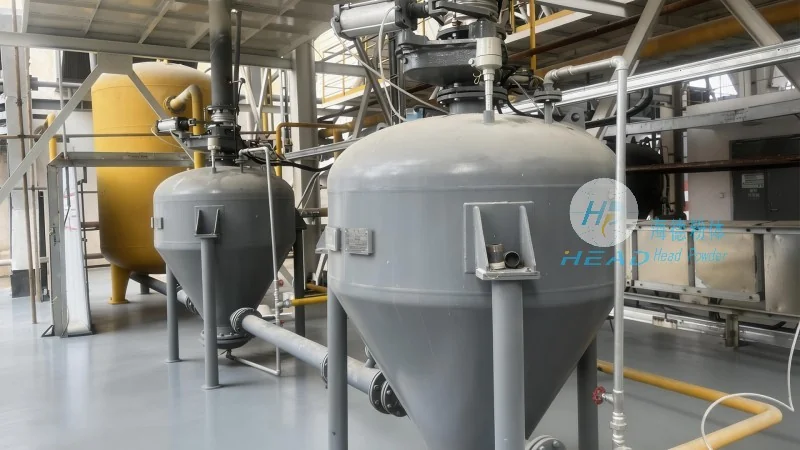
Role of Shandong HeadPowder Engineering Co., Ltd. in Design and Implementation
Shandong HeadPowder Engineering Co., Ltd., a leading provider of material handling solutions, plays a vital role in the design and implementation of phosphate iron material handling systems. With years of experience in the industry, the company specializes in customizing systems to meet the unique needs of clients. The company's engineers work closely with clients to understand their production requirements, material characteristics, and operational constraints, ensuring that the final system is tailored to their specific needs. The design process involves detailed analysis, including material flow studies, stress analysis, and performance simulations, to ensure the system meets all safety and efficiency standards. Shandong HeadPowder Engineering Co., Ltd. also provides comprehensive support, including installation, commissioning, and maintenance services, to ensure the system operates at peak performance throughout its lifecycle.
Benefits of Using a Phosphate Iron Material Handling System
Implementing a phosphate iron material handling system offers numerous benefits for industrial operations. Firstly, it enhances operational efficiency by ensuring a continuous and controlled flow of materials, reducing downtime caused by material shortages or bottlenecks. Secondly, it improves safety by minimizing manual handling of heavy or hazardous materials, reducing the risk of accidents and injuries. Thirdly, it optimizes resource utilization by reducing waste and improving material recovery rates. Additionally, the system can help in maintaining consistent product quality by ensuring uniform material handling and processing. Overall, a well-designed phosphate iron material handling system is a critical investment for industries relying on phosphate iron, as it contributes to increased productivity, reduced costs, and enhanced safety.




