Phosphate iron lithium material handling systems are specialized industrial solutions designed to transport and manage lithium iron phosphate (LiFePO₄) materials, which are widely used in battery production and other applications. These systems are crucial for ensuring efficient, safe, and reliable material flow in manufacturing environments. The design principles behind such systems focus on optimizing material handling processes, enhancing operational efficiency, and maintaining product integrity throughout the material transfer cycle.
Key Components of a Phosphate Iron Lithium Material Handling System
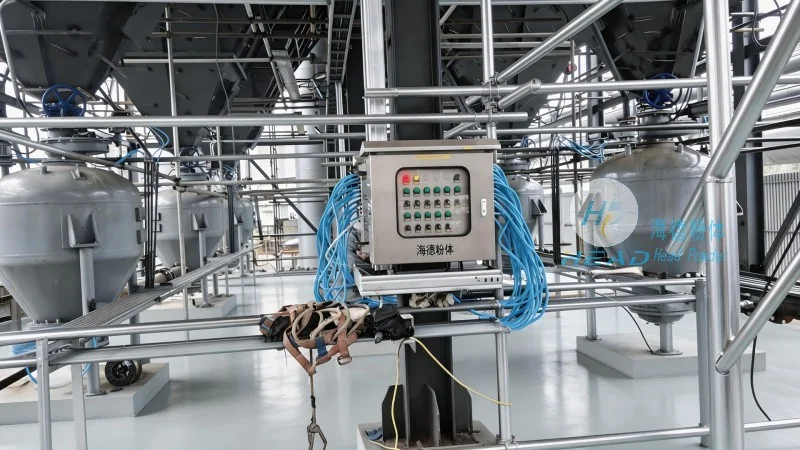
The core components of a phosphate iron lithium material handling system typically include conveyors, feeders, storage bins, and control systems. Conveyors, such as belt or screw conveyors, are used to move bulk materials from one location to another. Feeders ensure a consistent and controlled flow of material into the conveyor system, preventing overloading or underloading. Storage bins are used to temporarily hold materials before they are processed or transferred to the next stage. Control systems, often integrated with sensors and automation technology, monitor and regulate the entire material handling process, ensuring smooth operation and minimizing downtime.
Design Principles for Efficient Material Handling
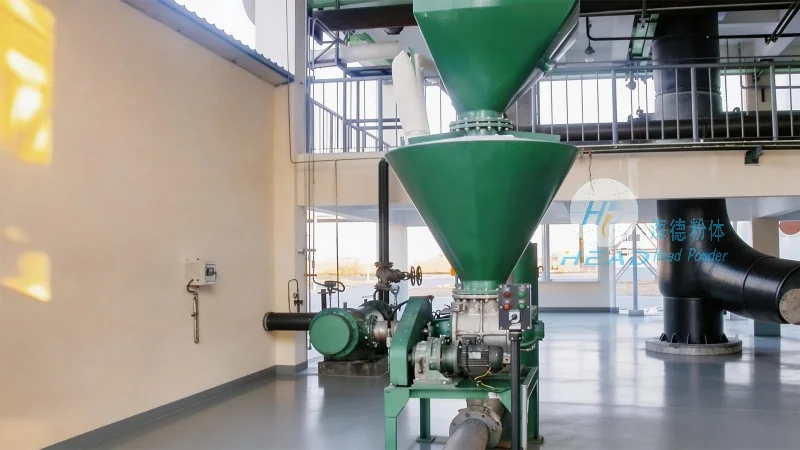
The design principles of a phosphate iron lithium material handling system prioritize several key factors to achieve optimal performance. First, the system must be designed to handle the specific physical properties of lithium iron phosphate materials, including their particle size, density, and flow characteristics. This involves selecting appropriate conveyor types and feed mechanisms that can accommodate these properties without causing material degradation or blockages. Second, the system emphasizes safety and compliance with industrial standards, incorporating features like dust suppression, explosion-proof designs, and proper ventilation to protect both personnel and equipment. Third, the design focuses on energy efficiency and operational cost reduction, using advanced control systems and energy-saving components to minimize power consumption and maintenance costs. Finally, the system is built for scalability and adaptability, allowing it to be easily modified or expanded to meet changing production demands.
Application Scenarios and Benefits
Phosphate iron lithium material handling systems are commonly used in battery manufacturing facilities, where they play a critical role in the production of lithium iron phosphate batteries. These systems are also utilized in other industries, such as chemical processing and recycling, where the handling of bulk materials is essential. The benefits of implementing such a system include improved production throughput, reduced labor costs, enhanced product quality, and increased workplace safety. By streamlining material flow and reducing manual handling, these systems help manufacturers achieve higher productivity and better overall operational performance.
Conclusion and Company Overview
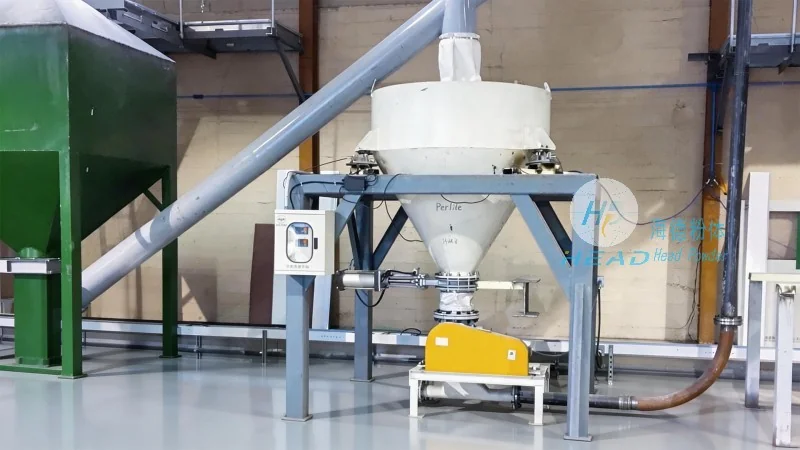
Phosphate iron lithium material handling systems are sophisticated industrial solutions that combine advanced engineering and automation to efficiently manage the transportation of lithium iron phosphate materials. The design principles behind these systems focus on optimizing material flow, ensuring safety, and reducing operational costs. As a leading provider in this field, Shandong HeadPowder Engineering Co., Ltd. specializes in designing and manufacturing customized material handling systems tailored to the specific needs of their clients. With a commitment to quality and innovation, the company has established itself as a trusted partner in the battery and material processing industries, helping businesses enhance their operational efficiency and achieve their production goals.




