Rice husk powder, a byproduct of rice processing, is widely utilized across various industries due to its unique properties. However, the efficient handling of this fine powder necessitates specialized equipment to ensure operational safety, productivity, and product quality. This article explores the concept of a rice husk powder material conveying line and delves into its fundamental design principles, emphasizing the importance of tailored solutions for industrial applications.
Understanding the Role of Material Conveying Systems in Rice Husk Processing
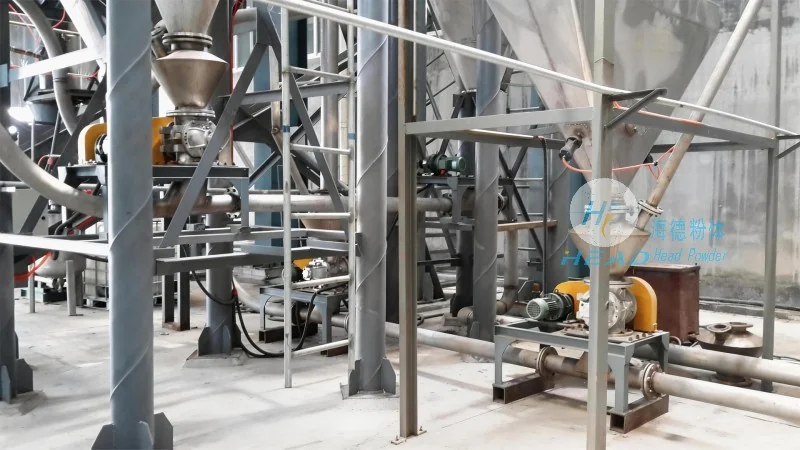
In the context of rice husk powder production, material conveying lines serve as the core infrastructure of the processing workflow. These systems are responsible for transporting the fine powder from one stage of production to another, such as from grinding or drying units to storage silos or packaging facilities. The efficiency of these conveying lines directly impacts the overall operational performance of the rice husk processing plant. A well-designed system minimizes material loss, reduces downtime, and ensures consistent product flow, which are critical factors for maintaining profitability in the industry.
Key Components of a Rice Husk Powder Conveying Line
A typical rice husk powder material conveying line comprises several essential components that work in harmony to achieve effective material transport. The primary components include a feeding mechanism, conveying equipment (such as screw conveyors, pneumatic conveyors, or bucket elevators), control systems, and auxiliary devices like dust collectors and filters. Each component plays a vital role in the overall functionality of the system. For instance, the feeding mechanism ensures a uniform and controlled supply of rice husk powder to the conveying equipment, preventing blockages and ensuring smooth operation. The conveying equipment itself is selected based on the characteristics of the powder, such as particle size, moisture content, and flowability, to optimize performance. Control systems, often integrated with sensors and automation, monitor the system's operation, providing real-time data on flow rates, pressure, and other critical parameters. Dust collectors and filters are crucial for maintaining a clean and safe working environment by capturing and removing airborne particles, which is essential for both operator safety and product quality.
Design Principles for Efficient Rice Husk Powder Conveying
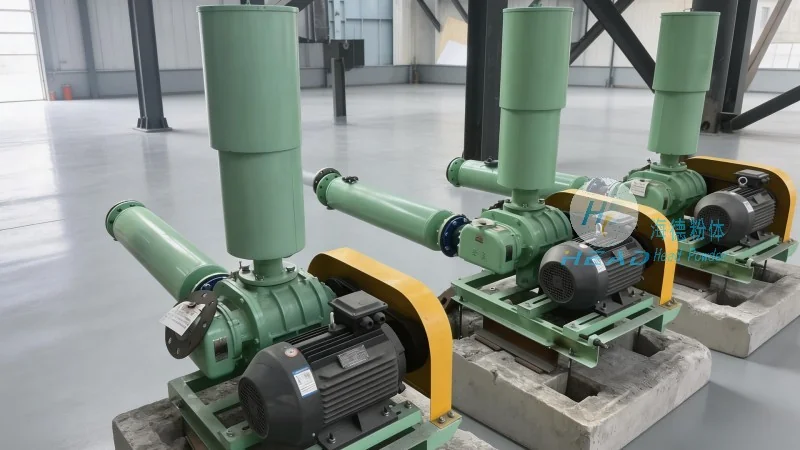
The design of a rice husk powder conveying line is guided by several key principles aimed at maximizing efficiency, reliability, and safety. One of the fundamental principles is the consideration of the material's physical properties. Rice husk powder is typically fine and lightweight, with a tendency to form dust clouds and create static electricity. Therefore, the design must address these challenges by incorporating features like anti-static coatings, proper grounding, and effective dust suppression measures. Another critical principle is the selection of appropriate conveying equipment. Screw conveyors are commonly used for horizontal or slight incline transport due to their ability to handle fine powders without causing excessive friction or particle degradation. Pneumatic conveyors, on the other hand, are ideal for longer distances or vertical transport, as they use air pressure to move the powder through a pipeline. The choice between these and other equipment depends on factors such as the plant layout, required capacity, and budget constraints. Additionally, the design must prioritize material compatibility and durability. The conveying components must be made of materials resistant to corrosion, abrasion, and chemical exposure, as rice husk powder can be acidic or contain abrasive particles that could damage standard equipment over time. For example, stainless steel or special alloys are often used for parts that come into direct contact with the powder to ensure longevity and maintain product purity.
Integration of Automation and Control in Modern Conveying Systems
Modern rice husk powder material conveying lines increasingly incorporate advanced automation and control technologies to enhance operational efficiency and reduce human intervention. These systems utilize sensors, such as level detectors, pressure sensors, and flow meters, to monitor the status of the conveying process in real time. The data collected by these sensors is processed by a central control unit, which can adjust the operation of the conveying equipment automatically based on predefined parameters. For instance, if the powder level in a hopper drops below a certain threshold, the control system can automatically activate the feeding mechanism to replenish the material. Similarly, if the pressure in a pneumatic conveyor exceeds a safe limit, the system can trigger a safety shutdown to prevent equipment damage or accidents. This level of automation not only improves the reliability of the conveying line but also reduces the risk of human error, leading to more consistent and reliable production outcomes. Furthermore, modern control systems often include data logging and analytics capabilities, allowing plant operators to track performance metrics over time and identify areas for improvement. By analyzing trends in flow rates, energy consumption, and maintenance intervals, operators can optimize the system's operation and extend the lifespan of the equipment.
Ensuring Safety and Compliance in Material Handling
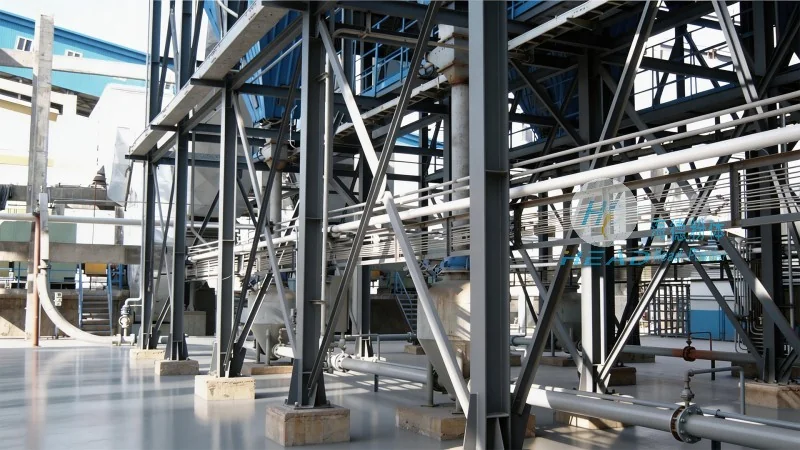
Handling rice husk powder requires strict adherence to safety and regulatory standards to protect both personnel and the environment. The design of the conveying line must incorporate various safety features to mitigate risks associated with dust explosions, material handling, and equipment operation. One of the primary safety considerations is the prevention of dust explosions. Rice husk powder is a combustible material, and the presence of dust clouds can lead to dangerous explosions if ignited. To address this, the conveying system is equipped with explosion-proof components, such as spark arrestors and flameproof motors. Additionally, dust suppression systems, including wet scrubbers or air filtration units, are integrated to reduce the concentration of airborne particles and minimize the risk of ignition. Another safety aspect is the prevention of material release and exposure to operators. The system includes sealed hoppers and conveyors to contain the powder and prevent dust from escaping into the workplace. Proper ventilation and dust collection systems are also essential to maintain air quality and protect the health of workers. Compliance with local and international regulations, such as those related to occupational health and safety (OHS) and environmental protection, is also a critical factor in the design and operation of the conveying line. Regular maintenance and inspections are conducted to ensure that the system meets all regulatory requirements and operates within safe parameters.
Customization and Scalability: Tailoring Conveying Solutions to Specific Needs
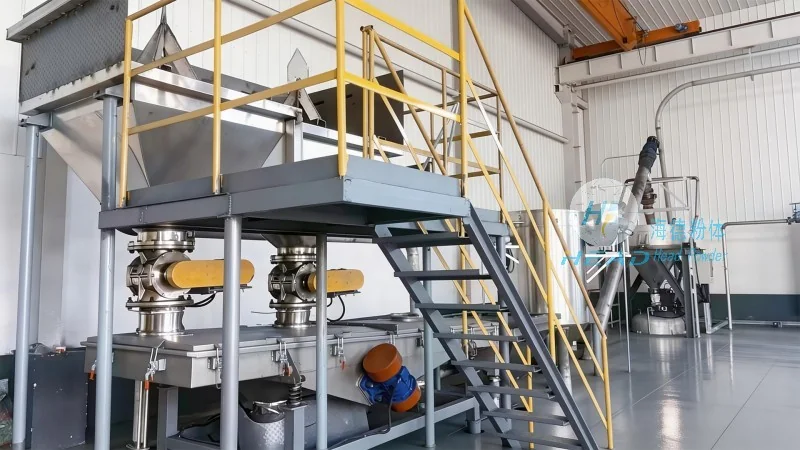
Every rice husk processing plant has unique requirements, and a one-size-fits-all approach to material conveying is often insufficient. Therefore, the design of a rice husk powder material conveying line must be customizable to meet the specific needs of the facility. Customization involves considering factors such as the plant's production capacity, the type of rice husk powder being processed, the layout of the facility, and the budget constraints. For example, a small-scale processing plant may require a simpler conveying system with lower capacity, while a large-scale industrial facility may need a more complex system with higher throughput. The conveying equipment can be scaled up or down to match the required capacity, and the system can be integrated with existing infrastructure or designed as a standalone unit. Additionally, the system can be modular, allowing for easy expansion or modification as the plant's needs evolve. This flexibility ensures that the conveying line remains effective and efficient over the long term, adapting to changes in production volume or product specifications. Customization also extends to the control systems, which can be tailored to the specific operational requirements of the plant, including integration with existing automation platforms or the implementation of user-friendly interfaces for operators.
Conclusion: The Importance of Well-Designed Conveying Lines in Rice Husk Processing
In conclusion, a rice husk powder material conveying line is a critical component of any rice husk processing operation, responsible for the efficient and safe transport of the fine powder. The design of such a system is guided by several key principles, including the consideration of material properties, the selection of appropriate conveying equipment, the integration of automation and control technologies, and adherence to safety and regulatory standards. A well-designed conveying line not only enhances the operational efficiency of the plant but also ensures product quality, reduces downtime, and protects the health and safety of operators. As the demand for rice husk powder continues to grow in various industries, the importance of reliable and efficient material conveying systems cannot be overstated. By investing in a properly designed and maintained conveying line, rice husk processing facilities can achieve higher productivity, lower costs, and a competitive edge in the market. The expertise of companies like Shandong HeadPowder Engineering Co., Ltd., with their focus on tailored solutions and advanced technology, plays a vital role in ensuring that rice husk powder is handled effectively and efficiently, supporting the growth and success of the industry.




