Pharmaceutical granule material conveying lines are specialized systems engineered to transport granular materials, such as active pharmaceutical ingredients (APIs), excipients, or other bulk powders, within pharmaceutical manufacturing facilities. These systems are critical for ensuring efficient, safe, and consistent material handling throughout the production process. The design of these conveying lines adheres to stringent regulatory standards, including those set by the FDA and GMP (Good Manufacturing Practice), to maintain product integrity and prevent contamination. The core components of a typical conveying line include feeders, conveyors (like screw, belt, or pneumatic systems), control panels, and monitoring equipment. Each component is carefully selected and integrated to meet the specific requirements of the pharmaceutical product being handled, such as particle size, moisture content, and flow characteristics.
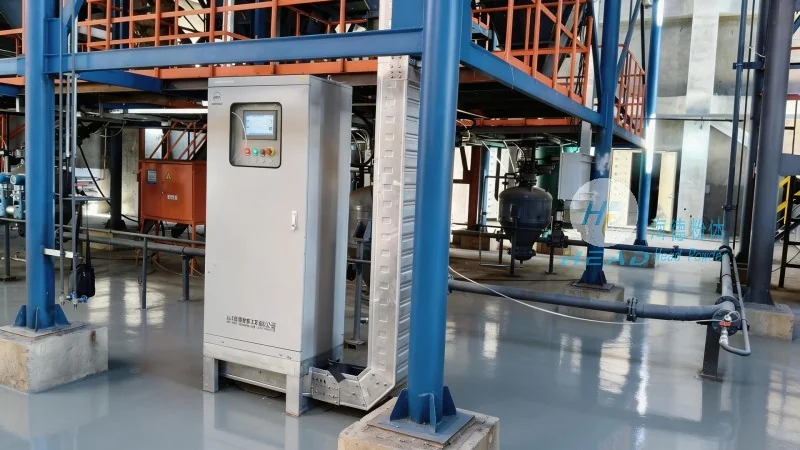
HeadPowder, a leading manufacturer in the pharmaceutical equipment industry, specializes in designing and manufacturing high-quality conveying lines tailored to the unique needs of the pharmaceutical sector. With a focus on precision, reliability, and compliance, HeadPowder's solutions are built to enhance operational efficiency while ensuring adherence to industry regulations. The company's expertise lies in understanding the complex interplay between material properties and conveying system design, enabling the development of customized solutions that optimize performance and minimize downtime.
The Design Principles of Pharmaceutical Granule Material Conveying Lines
The design principles of pharmaceutical granule material conveying lines revolve around several key factors. First, material compatibility is paramount; components must be constructed from materials that are inert to the pharmaceutical substances being transported, such as stainless steel, PTFE, or specialized polymers. This prevents cross-contamination and ensures the purity of the final product. Second, the system must be designed for easy cleaning and maintenance, as per GMP guidelines. This includes features like CIP (Clean-In-Place) and SIP (Sterilize-In-Place) capabilities, which allow for thorough sanitization without disassembling the equipment. Third, the conveying process must minimize product degradation, such as agglomeration or attrition, by controlling factors like speed, pressure, and temperature. Advanced control systems are integrated to monitor and adjust these parameters in real-time, ensuring optimal material handling.
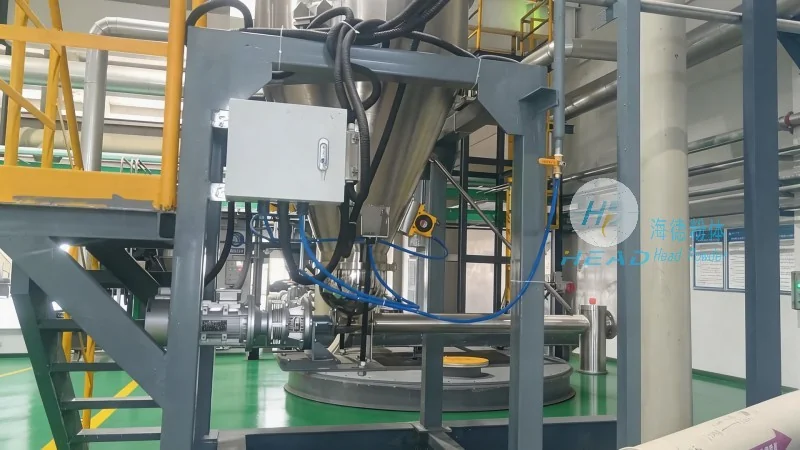
HeadPowder's approach to designing conveying lines emphasizes a holistic understanding of the entire production workflow. The company works closely with clients to analyze their specific material characteristics, production volumes, and regulatory requirements. This collaborative process ensures that the final system is not only efficient but also scalable and adaptable to future changes in production needs. For example, a conveying line designed for a small-scale pilot plant can be upgraded to accommodate larger production runs without significant modifications, thanks to the modular design principles applied by HeadPowder.
Key Components and Technologies in Conveying Lines
Key components of a pharmaceutical granule material conveying line include feeders, which regulate the flow of material from storage bins or hoppers, and conveyors, which transport the material to the next stage of processing. Screw conveyors are commonly used for horizontal or inclined transport, as they provide consistent material movement and can handle a wide range of particle sizes. Belt conveyors are ideal for transporting larger granules or bulk materials over longer distances, while pneumatic conveying systems are preferred for materials that are dusty or require airtight containment. Control panels, equipped with sensors and programmable logic controllers (PLCs), monitor the system's performance and trigger alarms or adjustments if deviations occur. This ensures that the conveying process remains stable and within safe operating parameters.
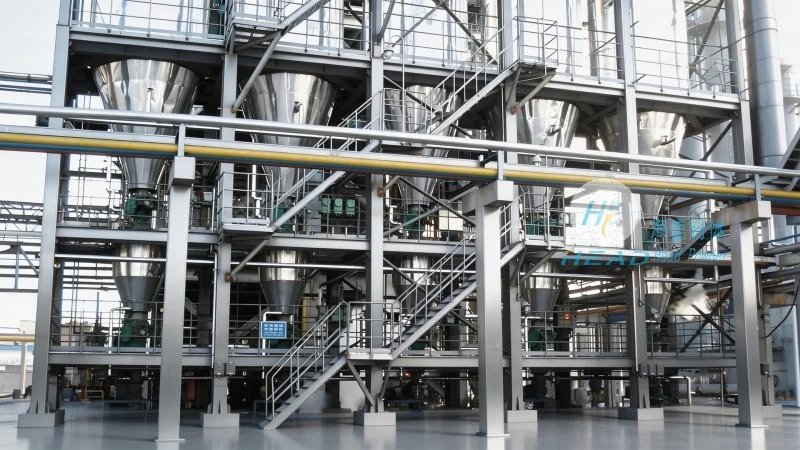
The integration of advanced technologies, such as sensors and data analytics, further enhances the functionality of pharmaceutical conveying lines. Real-time monitoring of material flow rates, pressure, and temperature allows for immediate detection of anomalies, such as blockages or changes in material properties. This data can be used to optimize the system's performance over time, reducing energy consumption and improving overall efficiency. Additionally, the use of closed-loop systems minimizes material exposure to the environment, reducing the risk of contamination and ensuring product quality.
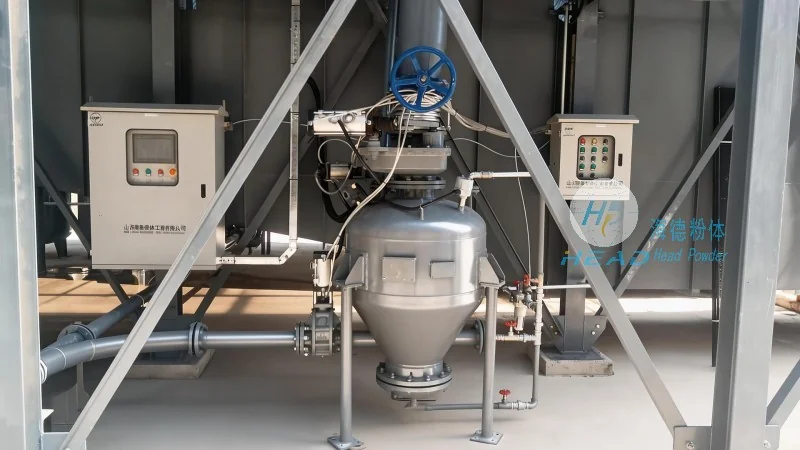
Quality and Compliance at HeadPowder
HeadPowder's commitment to quality and innovation is reflected in its manufacturing processes. The company adheres to ISO 9001 standards for quality management and employs rigorous testing protocols to ensure that each conveying line meets or exceeds industry specifications. This includes material testing, performance validation, and compliance checks with regulatory bodies. By prioritizing quality at every stage of production, HeadPowder delivers reliable and durable conveying systems that contribute to the success of pharmaceutical manufacturing operations.
In conclusion, pharmaceutical granule material conveying lines are essential components of modern pharmaceutical manufacturing, designed to ensure efficient, safe, and compliant material handling. The design principles, which prioritize material compatibility, easy maintenance, and minimal product degradation, are critical to the success of these systems. HeadPowder, with its expertise and commitment to quality, provides tailored solutions that meet the unique needs of the pharmaceutical industry, helping clients achieve operational excellence and regulatory compliance.




