Organic fertilizer granule conveying is a critical process in the agricultural industry, ensuring efficient and reliable transport of organic fertilizers from production sites to application areas. The choice of conveying method significantly impacts operational efficiency, cost, and environmental impact. This article provides a detailed comparison of common organic fertilizer granule conveying methods, highlighting their advantages and disadvantages, and introduces the solutions offered by Shandong HeadPowder Engineering Co., Ltd., a leading provider in the field.
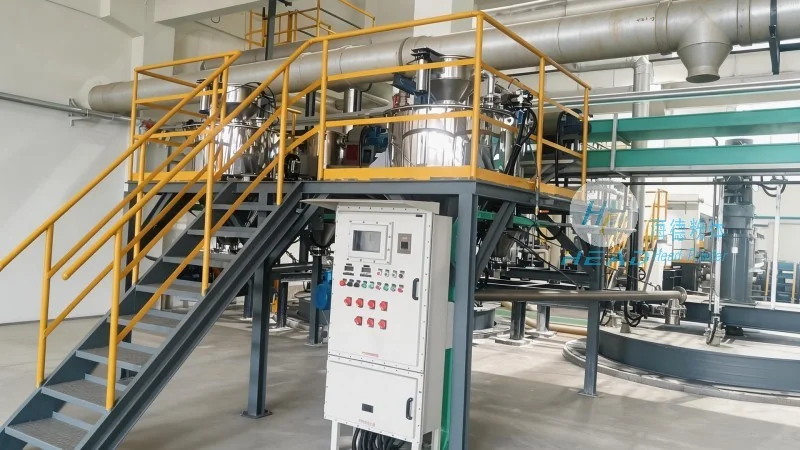
Introduction to Organic Fertilizer Granule Conveying
Organic fertilizer granules, such as compost, manure, or bio-fertilizers, require specialized conveying systems due to their bulk, irregular shape, and varying moisture content. Conveying these materials efficiently is essential for maintaining production line continuity and minimizing downtime. Various technologies are employed, each with distinct characteristics suited to different operational needs and site conditions.
Common Conveying Methods for Organic Fertilizer Granules
Screw Conveyors (Auger Conveyors)
Screw conveyors are one of the most widely used methods for transporting organic fertilizer granules. These systems consist of a rotating helical screw inside a tube, which moves material forward through the conveyor. The primary advantages of screw conveyors include their compact design, ability to operate in vertical or horizontal configurations, and low maintenance requirements. They are particularly effective for handling dry or semi-dry granules with moderate bulk density. However, screw conveyors have limitations when dealing with wet or sticky materials, as this can cause blockages and reduce efficiency. Additionally, they may not be suitable for very large or irregularly shaped granules, as the screw design can lead to material degradation or increased wear on the conveyor components.
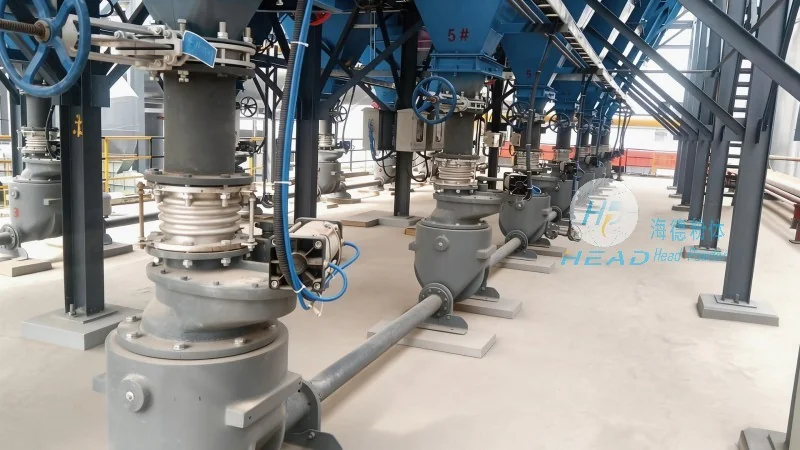
Air-Pressure Conveyors (Pneumatic Conveyors)
Air-pressure or pneumatic conveyors use compressed air to transport organic fertilizer granules through a pipeline system. This method is highly effective for long-distance or vertical transport, as it can move materials over considerable distances without the need for multiple transfer points. Pneumatic conveyors are also suitable for handling fine or dusty granules, as the air flow helps to keep the material suspended and prevents clogging. The main advantages include high transport capacity, flexibility in layout, and the ability to integrate with other processing equipment. Nevertheless, pneumatic conveyors have significant drawbacks, including high energy consumption due to the need for compressed air, potential for material degradation from friction and impact, and the risk of air leaks or pressure loss in the system. They are also less efficient for handling very wet or heavy granules, as the air flow may not be sufficient to move the material.
Belt Conveyors
Belt conveyors utilize a continuous belt to transport organic fertilizer granules, similar to systems used in bulk material handling. These conveyors are suitable for both horizontal and inclined transport, with the ability to handle a wide range of granule sizes and types. The primary advantages of belt conveyors include high capacity, low maintenance, and the ability to transport materials over long distances. They are particularly effective for handling dry granules with high bulk density, as the belt can support the weight of the material without significant degradation. However, belt conveyors have limitations when dealing with wet or sticky granules, as this can cause the material to stick to the belt or the conveyor frame, leading to reduced efficiency and increased wear. Additionally, they require regular cleaning and maintenance to prevent material buildup and ensure smooth operation.
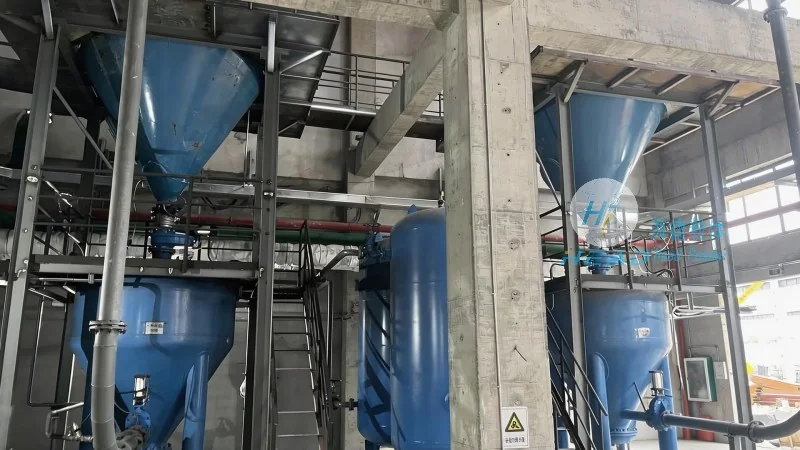
Advantages and Disadvantages Summary
Each conveying method for organic fertilizer granules has its own set of advantages and disadvantages, which must be carefully considered based on the specific operational requirements and material characteristics. Screw conveyors are ideal for short-distance, moderate-capacity applications with dry or semi-dry granules. Pneumatic conveyors are best suited for long-distance or vertical transport of fine or dusty materials, but at the cost of higher energy consumption. Belt conveyors offer high capacity and flexibility for dry granules, yet face challenges with wet or sticky materials. The choice of method ultimately depends on factors such as material properties, transport distance, budget constraints, and available space.
HeadPowder Engineering Co., Ltd.: Solutions for Organic Fertilizer Conveying
Shandong HeadPowder Engineering Co., Ltd. specializes in designing and manufacturing customized conveying systems tailored to the unique needs of organic fertilizer producers. With years of experience in the industry, HeadPowder provides comprehensive solutions that address the challenges associated with organic fertilizer granule transport. The company’s expertise lies in selecting the most appropriate conveying technology based on the specific characteristics of the fertilizer, such as granule size, moisture content, and bulk density. By leveraging advanced engineering and material science, HeadPowder ensures that its conveying systems are efficient, durable, and cost-effective.
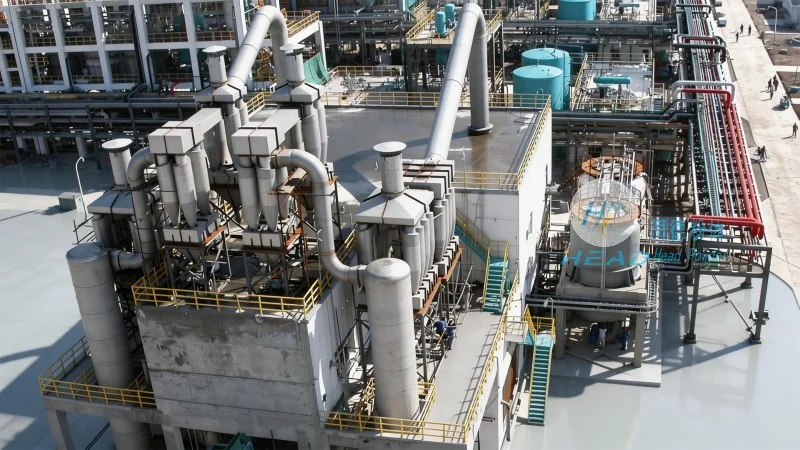
HeadPowder’s product line includes a range of screw conveyors, pneumatic conveyors, and belt conveyors, each designed to meet the diverse requirements of organic fertilizer applications. The company’s engineers work closely with clients to understand their operational needs and provide tailored solutions that optimize performance and minimize downtime. Whether for small-scale farms or large industrial facilities, HeadPowder offers reliable and efficient conveying systems that enhance productivity and ensure consistent material transport.
HeadPowder Engineering Co., Ltd. is committed to providing high-quality, durable conveying solutions that meet the evolving needs of the organic fertilizer industry. With its headquarters in Shandong, China, the company serves clients globally, delivering products that are built to withstand the demands of agricultural operations. By focusing on innovation and customer satisfaction, HeadPowder continues to be a trusted partner for businesses seeking to improve their organic fertilizer handling processes.




