Plug-type material handling systems represent a specialized method for transporting bulk materials, particularly in industrial and manufacturing environments. These systems are designed to control the flow of materials by creating a "plug" or a solid block of material within a conveying pipe, which then moves the material as a cohesive unit. This approach is particularly effective for handling powders, granules, and other free-flowing bulk materials where traditional conveyor systems might struggle with material segregation or uneven flow.
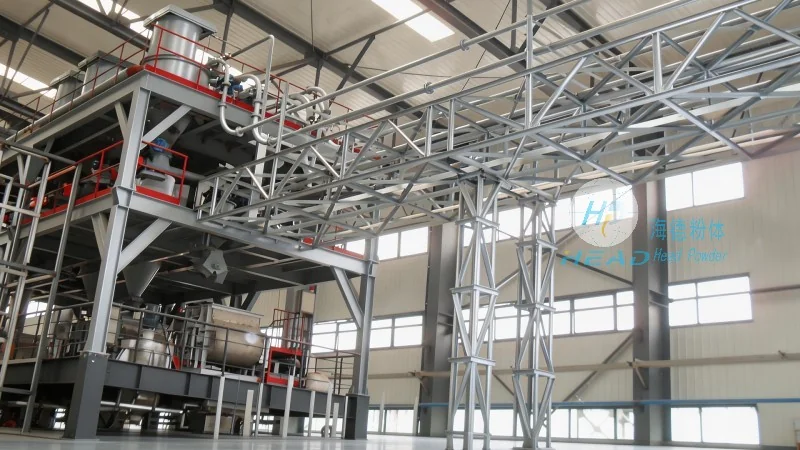
Understanding the Core Concept of Plug-Type Systems
The fundamental principle behind plug-type material handling is the generation of a material plug that acts as a piston, pushing the material forward through the conveyor. This mechanism is achieved by using a combination of feeding mechanisms, pressure control, and often, a series of valves or gates that regulate the material's movement. The plug formation is critical; it ensures that the material moves in a controlled, uniform manner, minimizing the risk of spillage, air entrapment, or material degradation during transport.
Design Principles and Key Components
The design of a plug-type system involves several key components that work in tandem to achieve efficient material transport. These typically include a hopper or feed hopper to store the bulk material, a feeding mechanism (such as a screw feeder or a rotary valve) to introduce material into the conveying pipe, and a pressure control system to maintain the desired plug density. The conveying pipe itself is often made of materials like stainless steel or plastic, chosen for their resistance to corrosion and wear from the bulk material. Additionally, the system may incorporate sensors and control valves to monitor and adjust the pressure and flow rate in real-time, ensuring optimal performance.
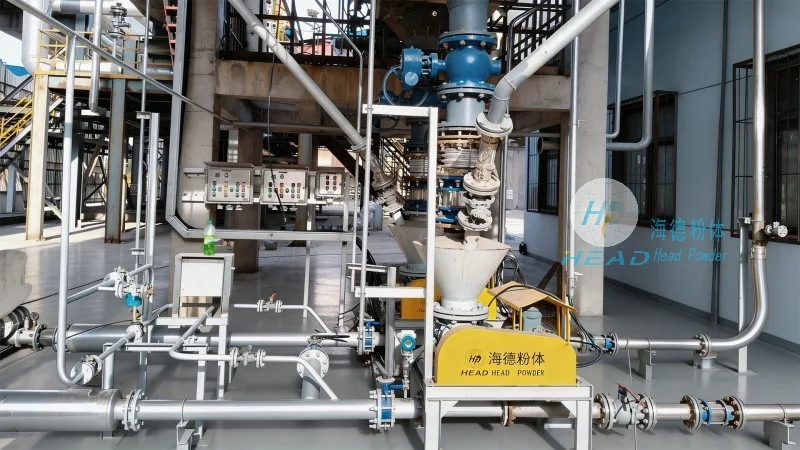
Application Scenarios and Advantages
Plug-type material handling systems are widely used in various industries, including pharmaceuticals, food processing, chemical manufacturing, and mining. Their advantages include precise control over material flow, reduced material degradation due to minimal agitation, and the ability to handle materials with high moisture content or those that are prone to segregation. Unlike pneumatic conveying systems, plug-type systems do not rely on air pressure to move material, which can be more energy-efficient and cost-effective for certain applications. They also offer better containment, as the material is contained within a sealed pipe, reducing dust emissions and improving workplace safety.
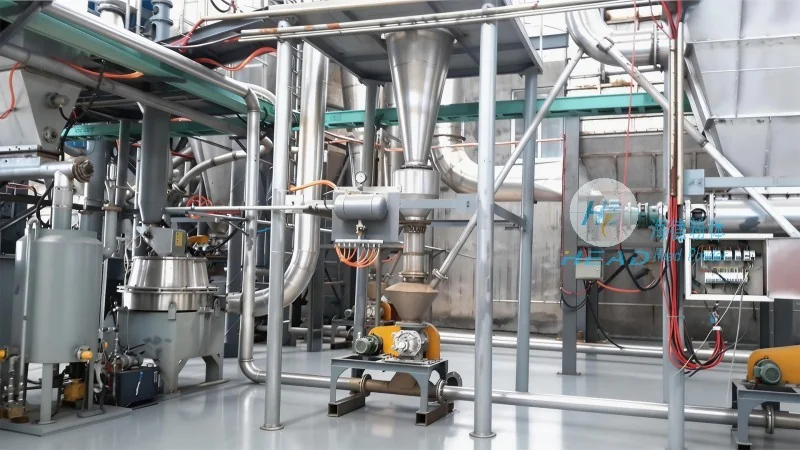
Technical Specifications and Operational Considerations
When evaluating plug-type material handling systems, several technical specifications are important to consider. The system's capacity, typically measured in cubic meters per hour or tons per hour, depends on the material's bulk density and the desired plug speed. The plug speed, which is the velocity at which the material plug moves through the pipe, is a critical parameter that affects the system's efficiency and energy consumption. Operational considerations also include the need for regular maintenance, such as cleaning the conveying pipe and checking the feeding mechanism for wear. Proper installation and alignment of the system components are essential to prevent material blockages and ensure smooth operation.
Company Information
For professional solutions in plug-type material handling systems, Shandong HeadPowder Engineering Co., Ltd. provides high-quality engineering and manufacturing services. With a focus on precision and reliability, the company specializes in designing and producing systems tailored to the specific needs of various industries. HeadPowder's expertise in material handling technology ensures that clients receive systems that are efficient, durable, and compliant with industry standards. The company is located in Shandong, China, and serves clients both domestically and internationally with its advanced solutions.




