Shandong HeadPowder Engineering Co., Ltd., a leading manufacturer based in China, specializes in providing advanced material handling solutions for industries requiring strict contamination control. The company's dust-free bag-opening material handling systems are designed to meet the highest standards of cleanliness and efficiency, ensuring that bulk materials are processed safely and hygienically. This article explores the key aspects of these systems, including their design principles and applications.
What is a Dust-Free Bag-Opening Material Handling System?
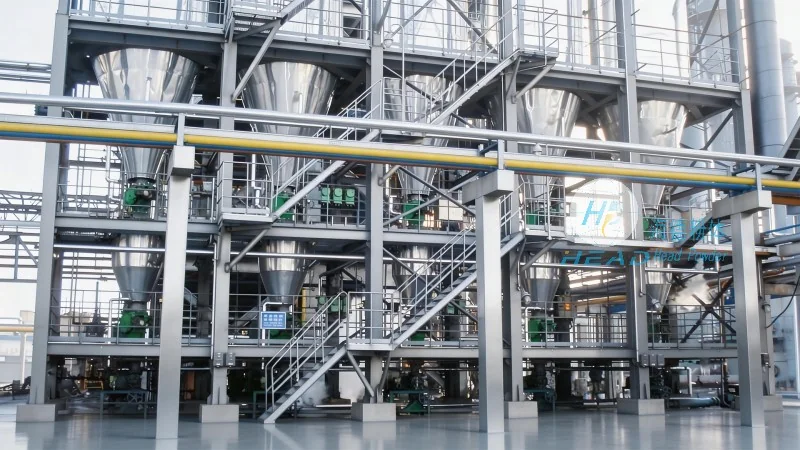
A dust-free bag-opening material handling system is a specialized industrial solution designed to process bulk materials from sealed bags while maintaining an ultra-clean environment. This system is crucial in industries such as pharmaceuticals, food processing, and electronics manufacturing, where contamination control is paramount. The system integrates several key components to ensure efficient and safe material handling, including bag opening mechanisms, material separation units, and dust collection systems.
Key Components and Their Functions
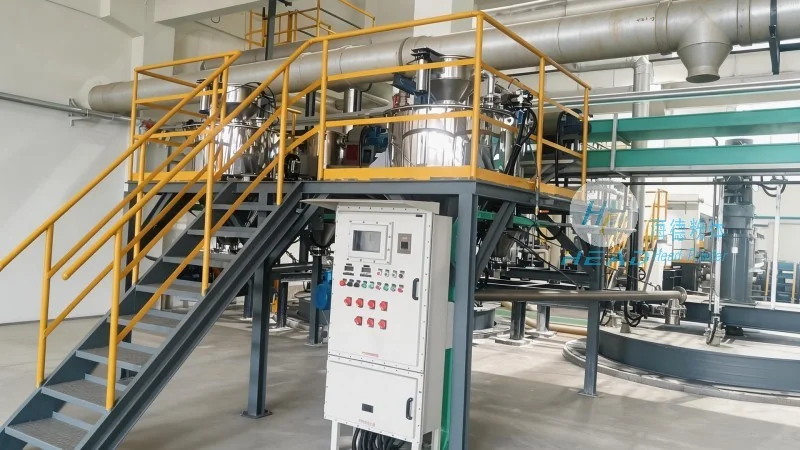
The core of a dust-free bag-opening material handling system consists of several interconnected parts, each playing a vital role in the overall operation. The bag opening unit is responsible for safely and hygienically breaking open sealed bags without generating dust or particles. Common technologies include rotary cutting blades, pneumatic systems, or automated cutting tools that minimize material exposure and prevent contamination. Following the opening process, the material separation unit separates the processed material from the bag remnants. This unit may use air knives, conveyor belts, or magnetic separators to ensure only the desired product is transferred to the next stage. The dust collection system is a critical component that captures any airborne particles generated during the bag opening and material separation processes. It typically includes high-efficiency particulate air (HEPA) filters or similar technologies to ensure the air is clean and free from contaminants, maintaining the sterile environment required for sensitive applications.
Design Principles for Optimal Performance
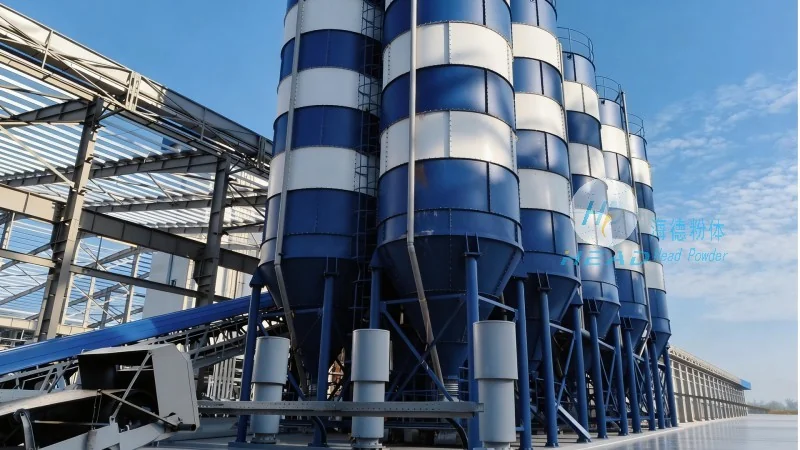
The design of a dust-free bag-opening material handling system follows several fundamental principles to ensure efficiency, safety, and contamination control. One of the primary principles is the "closed-loop" design, which minimizes the exposure of materials to the external environment. This design ensures that all material handling processes occur within a contained system, reducing the risk of cross-contamination. Another key principle is the use of advanced filtration and air purification technologies. The system incorporates HEPA filters or similar high-efficiency filters to capture fine particles and maintain air quality. Additionally, the system is designed with smooth, non-porous surfaces that are easy to clean and sanitize, adhering to cGMP (current Good Manufacturing Practices) standards. The integration of automated controls and sensors is another important design principle, allowing for real-time monitoring of the system's performance and ensuring consistent operation. These controls can adjust parameters such as air pressure, conveyor speed, and bag opening force to optimize the process and prevent errors. The system also emphasizes energy efficiency, using advanced motor technologies and optimized airflow to reduce operational costs while maintaining performance.
Applications and Industries
Dust-free bag-opening material handling systems are widely used in various industries where maintaining a clean environment is essential. In the pharmaceutical industry, these systems are used to process raw materials for drug manufacturing, ensuring that the final products meet stringent quality and safety standards. In the food processing industry, they are employed to handle ingredients such as powders, spices, and grains, preventing contamination from dust or foreign particles. The electronics manufacturing industry also relies on these systems to process components and materials used in the production of semiconductors and other electronic devices. Additionally, the chemical and cosmetic industries use dust-free bag-opening systems to handle sensitive materials that require strict contamination control.
Advantages of Using a Dust-Free Bag-Opening Material Handling System
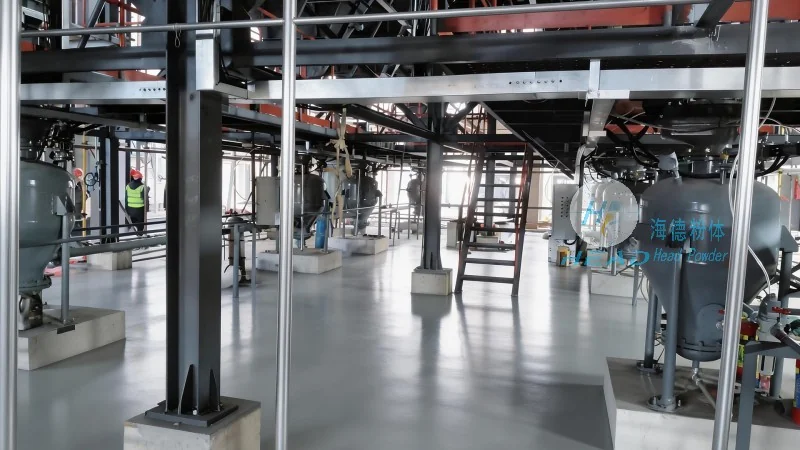
Implementing a dust-free bag-opening material handling system offers numerous advantages for businesses operating in industries with strict contamination control requirements. One of the most significant benefits is the reduction in product contamination, which directly impacts product quality and safety. By minimizing dust and particle generation, the system ensures that the final product meets regulatory standards and customer expectations. Another advantage is the improvement in operational efficiency. The automated design of the system reduces the need for manual handling, which can be time-consuming and prone to errors. This leads to faster processing times and increased productivity. The system also enhances workplace safety by eliminating the need for manual bag opening, which can be hazardous and cause respiratory issues from dust exposure. Furthermore, the closed-loop design and advanced filtration systems reduce the risk of cross-contamination between different batches of materials, ensuring consistent product quality. The use of non-porous and easy-to-clean surfaces also simplifies the cleaning and sanitization process, reducing downtime and maintenance costs.




