Calcium phosphate material handling systems represent a critical component in industrial processes where calcium phosphate is a primary material. These systems are engineered to facilitate the efficient transport, storage, and transfer of calcium phosphate, a compound widely used in pharmaceuticals, food additives, and chemical applications. The design of such systems is tailored to address the specific challenges posed by calcium phosphate, including its fine particle size, potential for caking, and abrasive properties. By integrating advanced engineering principles and materials science, these systems ensure that calcium phosphate is handled safely, effectively, and with minimal loss or degradation.
Key Components and Their Functions
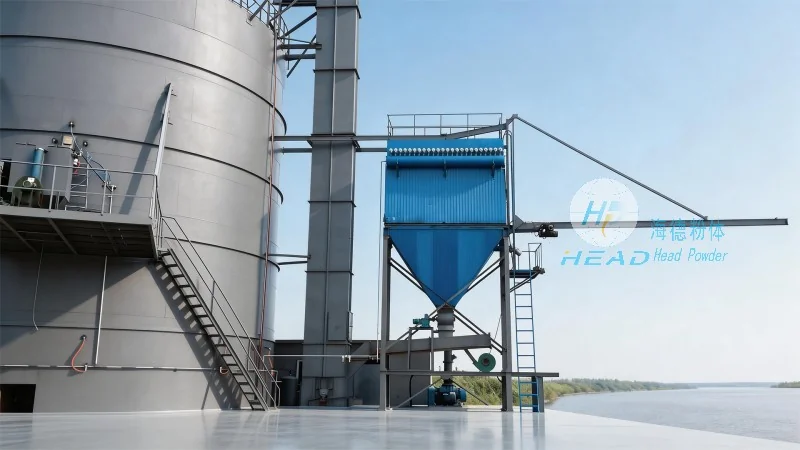
The fundamental components of a calcium phosphate material handling system include a feed hopper, conveyor mechanism, control system, and discharge unit. The feed hopper serves as the initial storage and feeding point, designed to accommodate bulk quantities of calcium phosphate while preventing material spillage or degradation. Its design often incorporates a sloped bottom to facilitate smooth material flow into the conveyor system. The conveyor mechanism, typically a screw conveyor or belt conveyor, is selected based on the material's flow characteristics. Screw conveyors are preferred for materials with poor flowability due to their ability to push material forward, while belt conveyors are suitable for free-flowing materials. The control system, usually a PLC (Programmable Logic Controller), monitors and regulates the system's operations, including speed, pressure, and material level. This ensures consistent performance and allows for real-time adjustments to maintain optimal processing conditions. The discharge unit, such as a valve or chute, controls the release of calcium phosphate to the next stage of the production process, ensuring precise dosing and preventing overloading or underloading.
Design Principles for Optimal Performance
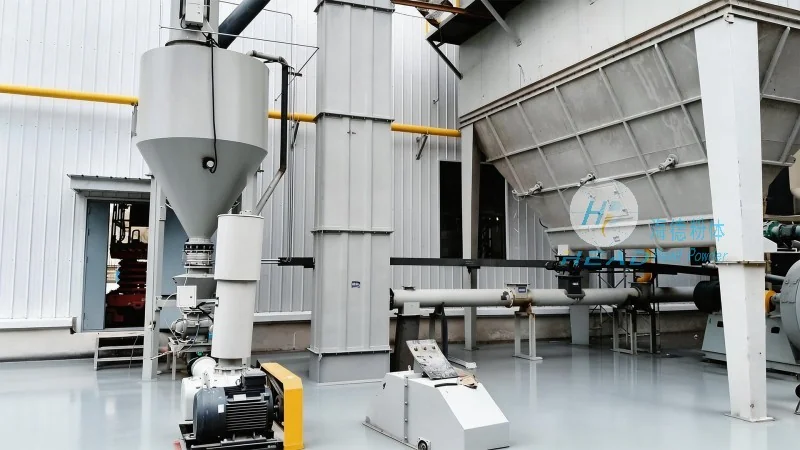
The design principles of calcium phosphate material handling systems prioritize several key factors to ensure reliability and efficiency. First, the system must be constructed from materials that are resistant to corrosion and wear caused by calcium phosphate. Common materials include stainless steel, polyethylene, or specialized coatings that protect against abrasion and chemical interaction. Second, the system is designed to minimize dead zones and areas where material can accumulate, as these areas are prone to caking and blockages. Smooth, rounded surfaces and proper slope angles are incorporated to promote continuous material flow. Third, the system incorporates dust control measures, such as sealed hoppers and ventilation systems, to prevent dust dispersion and protect both the material and the working environment. Fourth, the design considers the material's bulk density and flowability, adjusting the conveyor speed and hopper size to maintain consistent throughput. These principles collectively ensure that the system operates efficiently, reduces downtime, and maintains the quality of the calcium phosphate material throughout the handling process.
Operational Considerations and Maintenance Protocols
Operational considerations for calcium phosphate material handling systems focus on maintaining system integrity and preventing issues such as clogging or equipment failure. Regular maintenance is essential to ensure the system's longevity and performance. This includes routine cleaning of the hopper, conveyor, and discharge mechanisms to remove accumulated material. The conveyor components, such as screws or belts, may require lubrication or replacement to prevent wear and tear. Additionally, the control system should be checked regularly to ensure proper functionality and calibration. Operators must be trained to handle calcium phosphate safely, as the material can generate dust that poses respiratory hazards. Proper personal protective equipment (PPE), such as dust masks and gloves, is required when working with the system. The system should also be equipped with safety features, such as emergency stop buttons and overload protection, to prevent accidents and equipment damage. By adhering to these operational and maintenance protocols, the system can operate reliably and maintain the quality of the calcium phosphate material.
Applications and Industry Impact
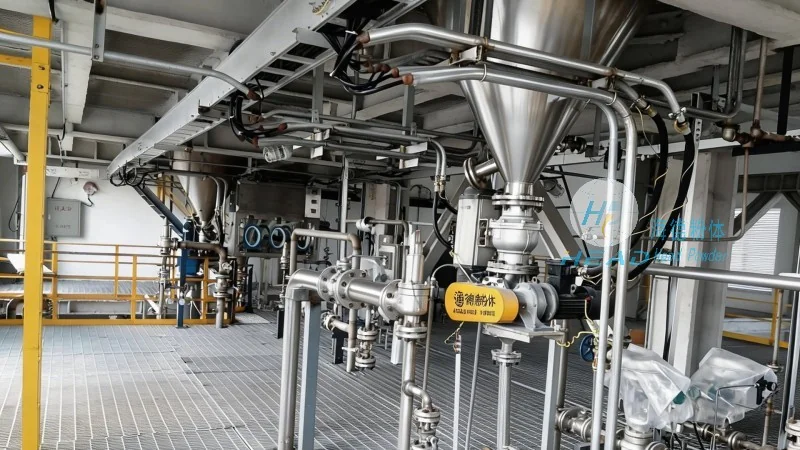
Calcium phosphate material handling systems are integral to various industries, contributing to the efficient production of products that rely on calcium phosphate. In the pharmaceutical industry, these systems are used to transport calcium phosphate as an excipient or active ingredient in drug formulations. The precise handling of calcium phosphate is critical to maintaining the purity and consistency of pharmaceutical products, ensuring compliance with regulatory standards. In the food industry, calcium phosphate is used as a food additive or fortifier, and the material handling system ensures that it is added to food products in the correct quantities without contamination. In chemical manufacturing, calcium phosphate is used in the production of fertilizers, detergents, and other industrial chemicals. The reliable operation of these systems helps maintain production efficiency, reduces waste, and ensures product quality. Overall, calcium phosphate material handling systems play a vital role in supporting the manufacturing processes of these industries, enabling consistent and high-quality output.




