For industries that rely on sand and other granular materials, efficient material handling is crucial for operational success. A sand material handling system is a specialized setup designed to transport, store, and manage sand and similar materials with precision and reliability. This system integrates various components to ensure smooth material flow, from intake to discharge, while maintaining safety and efficiency. The design principles behind these systems are rooted in engineering fundamentals, focusing on factors like material properties, operational requirements, and environmental considerations.
Key Components of a Sand Material Handling System
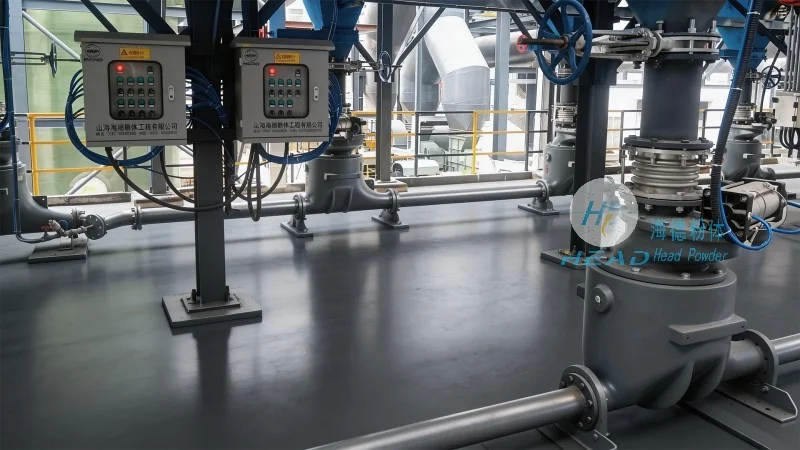
The core of any sand material handling system consists of several key components that work in tandem to achieve optimal performance. These components include feeders, conveyors, storage silos, and control systems. Feeders, such as belt feeders or vibratory feeders, regulate the flow of sand from the source to the conveyor. Conveyors, often in the form of belt conveyors or screw conveyors, transport the sand over long distances or vertical elevations. Storage silos are used to store large quantities of sand, ensuring a steady supply and preventing material degradation. Control systems, including sensors and automation devices, monitor and adjust the system's operations to maintain consistent performance. Each component is carefully selected and integrated to meet the specific needs of the application, ensuring that the system operates efficiently and reliably.
Design Principles for Optimal Performance
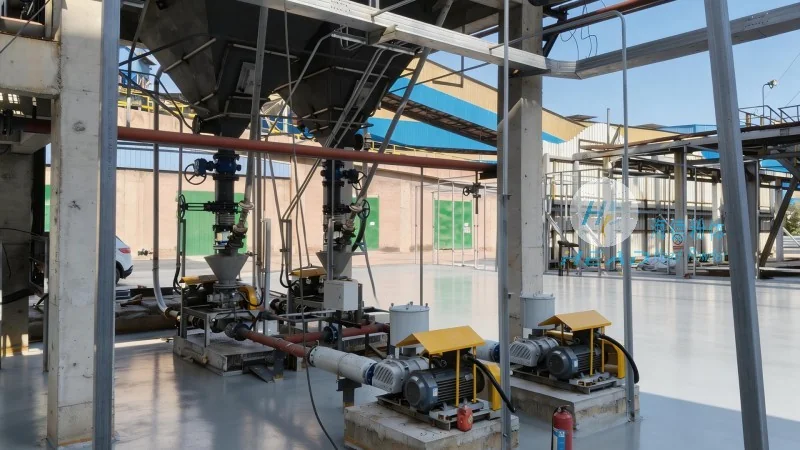
The design of a sand material handling system follows several critical principles to ensure it meets the demands of the industry. First, material properties are a primary consideration. Sand has unique characteristics, such as particle size, moisture content, and abrasiveness, which affect how it behaves in the system. Engineers must account for these properties when selecting equipment and designing the system layout. Second, operational requirements play a significant role. The system must be able to handle the required throughput, maintain consistent flow rates, and accommodate variations in material supply. This involves calculating the necessary conveyor capacity, feeder speed, and storage capacity to meet production goals. Third, safety and environmental considerations are essential. The system must comply with safety regulations and minimize environmental impact, such as dust control and noise reduction. Engineers incorporate features like dust collection systems and soundproofing to ensure compliance and protect the environment. Finally, cost-effectiveness is a key factor. The design aims to balance performance with cost, using durable materials and efficient components to reduce long-term operational costs.
Application Examples and Benefits
Sand material handling systems are widely used in various industries, including construction, foundries, and mining. In construction, these systems are used to transport sand for concrete production and other building projects. In foundries, they handle sand for mold making, ensuring consistent quality and reducing waste. In mining, they transport sand from extraction sites to processing facilities. The benefits of these systems include improved efficiency, reduced labor costs, and enhanced safety. By automating the material handling process, industries can increase productivity and minimize the risk of accidents. Additionally, the consistent flow of materials ensures that production processes run smoothly, reducing downtime and improving overall output. The reliability of these systems also contributes to better quality control, as materials are handled in a controlled environment, minimizing contamination and variability.
Conclusion and Company Overview
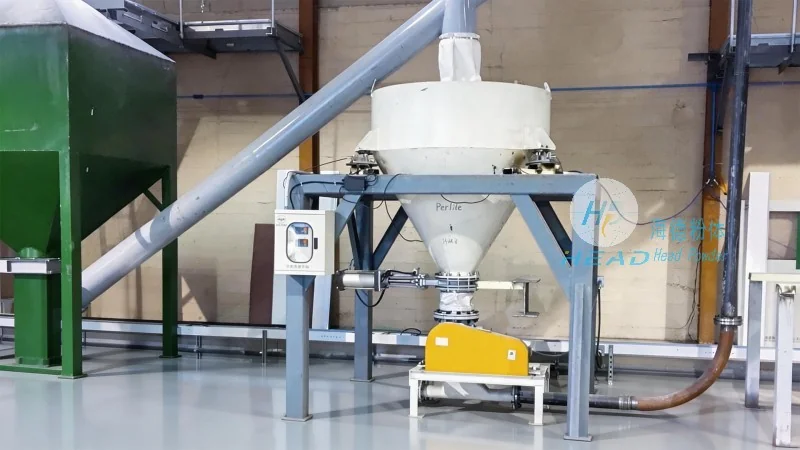
Understanding the design principles and components of a sand material handling system is essential for industries that rely on sand and granular materials. A well-designed system not only improves operational efficiency but also ensures safety and environmental compliance. Shandong HeadPowder Engineering Co., Ltd., based in Shandong, China, specializes in the design and manufacturing of such systems. With years of experience in the industry, the company provides tailored solutions that meet the specific needs of its clients. By focusing on material properties, operational requirements, and safety, HeadPowder delivers systems that are reliable, efficient, and cost-effective. Whether for construction, foundry, or mining applications, their expertise ensures that clients receive the best possible solution for their material handling needs. The company's commitment to quality and customer satisfaction has made it a trusted name in the industry, providing reliable systems that help businesses achieve their goals.




