Small bean material handling systems are specialized equipment designed to efficiently transport and manage small bean products within industrial or agricultural settings. These systems are crucial for optimizing workflow, ensuring product integrity, and enhancing overall operational efficiency in environments where small beans are processed, stored, or distributed. The design of such systems is rooted in a combination of mechanical engineering principles, material science, and practical application requirements tailored to the unique characteristics of small beans.
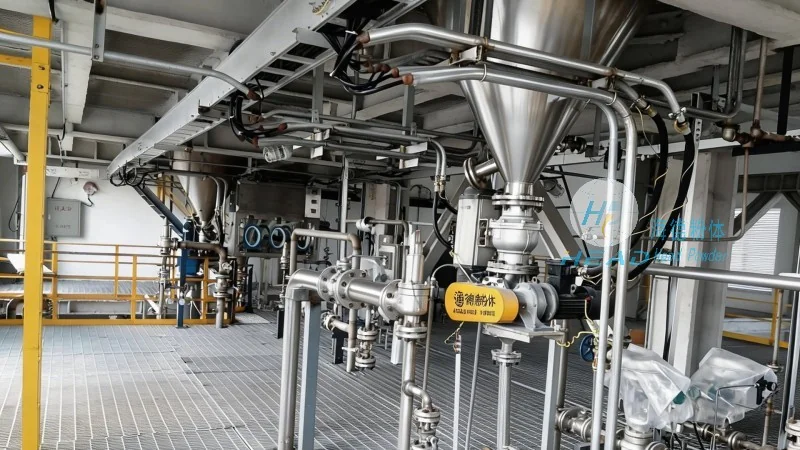
Introduction to Small Bean Material Handling Systems
At the heart of small bean material handling systems lies the need to handle delicate, often lightweight, and irregularly shaped beans with precision. These systems are engineered to minimize product damage, prevent contamination, and maintain consistent flow rates. The primary goal is to create a seamless process from raw bean intake to final product delivery, while adhering to strict quality control standards. Companies like Shandong HeadPowder Engineering Co., Ltd., based in China, specialize in developing customized solutions that address the specific challenges faced by industries dealing with small beans, such as coffee beans, soybeans, or other similar products.
Understanding the Core Components of the System
The small bean material handling system typically comprises several key components, each playing a vital role in the overall operation. These include intake hoppers, which are designed to safely receive raw beans from storage or processing areas; conveyor belts or rollers, which provide the primary means of transporting beans through the system; and sorting mechanisms, such as air classifiers or vibrating screens, that separate beans based on size, shape, or density. Additionally, the system may incorporate storage silos or bins to hold processed beans, as well as discharge mechanisms that deliver the final product to packaging or further processing stages. The integration of these components is critical to achieving a smooth and continuous material flow, minimizing downtime and maximizing productivity.
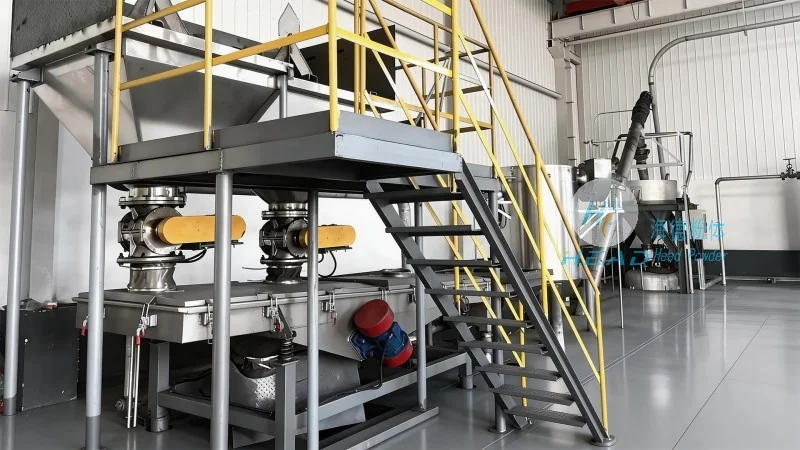
Design Principles Behind the Material Handling Process
The design principles of small bean material handling systems are guided by several fundamental considerations. First, the system must prioritize the preservation of product quality. This involves using materials that are non-reactive with the beans, ensuring gentle handling to avoid bruising or cracking, and maintaining a clean environment to prevent contamination. Second, efficiency is a key design goal, with components arranged to minimize the distance beans travel and reduce the number of handling steps required. This not only speeds up the process but also reduces energy consumption and operational costs. Third, flexibility is incorporated to accommodate different types of small beans or varying production volumes. Adjustable settings, such as conveyor speed or sorting parameters, allow the system to adapt to changing operational needs without requiring extensive modifications. Finally, safety is a paramount consideration, with features like emergency stop buttons, protective guards, and proper ventilation to ensure a secure working environment for operators.
Key Features and Technical Specifications
Modern small bean material handling systems from companies like Shandong HeadPowder Engineering Co., Ltd. often include advanced features that enhance performance and reliability. For instance, some systems may utilize automated sensors to monitor bean flow rates and detect blockages or irregularities in real-time, triggering alerts or automatic adjustments. Others may employ variable speed drives to optimize energy usage based on the current workload. The technical specifications of these systems typically include details such as the maximum capacity (e.g., tons per hour), the size range of beans that can be handled, the material of construction (e.g., stainless steel for hygiene), and the power requirements. These specifications are tailored to meet the specific demands of the client's production line, ensuring that the system is both effective and cost-efficient.
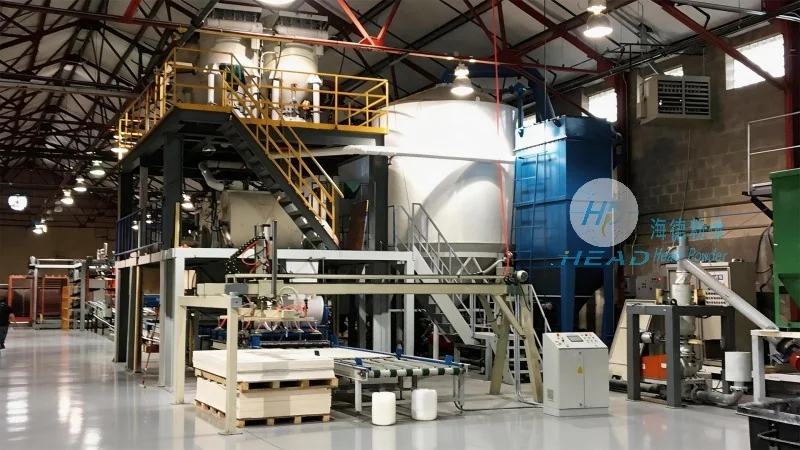
Application Scenarios and Operational Efficiency
Small bean material handling systems find applications in a wide range of industries, including food processing, agriculture, and manufacturing. In the food industry, for example, these systems are used to handle coffee beans, soybeans, or other legumes during processing, ensuring that the beans are cleaned, sorted, and prepared for further steps like roasting or packaging. In agricultural settings, they may be employed to transport harvested beans from fields to storage facilities, facilitating efficient post-harvest handling. The operational efficiency of these systems is evident in their ability to handle large volumes of small beans with minimal human intervention, reducing labor costs and improving consistency in product quality. By streamlining the material handling process, these systems contribute to overall cost savings and increased profitability for businesses.
Conclusion and Company Overview
In conclusion, small bean material handling systems are sophisticated pieces of equipment that play a critical role in the efficient processing and management of small bean products. The design principles behind these systems focus on product preservation, operational efficiency, flexibility, and safety, ensuring that they meet the demands of modern industrial and agricultural operations. Companies like Shandong HeadPowder Engineering Co., Ltd., with their expertise in engineering and manufacturing, provide customized solutions that address the unique needs of clients, helping them optimize their material handling processes and achieve better results. Based in China, this company has established itself as a reliable partner in the development of advanced material handling systems, contributing to the growth and success of industries that rely on small bean products.




