Continuous material conveying lines are sophisticated systems engineered to transport bulk materials or products in a seamless, automated manner. These systems are integral to various industries, including manufacturing, logistics, and processing, where efficient material handling is crucial for operational efficiency and productivity. The core function of a continuous conveying line is to move materials from one point to another without interruption, often integrating multiple components such as feeders, conveyors, and sorting mechanisms to ensure smooth operation. Developed and manufactured by Shandong HeadPowder Engineering Co., Ltd., a leading provider of industrial material handling solutions, these systems are designed to meet the diverse needs of modern industries.
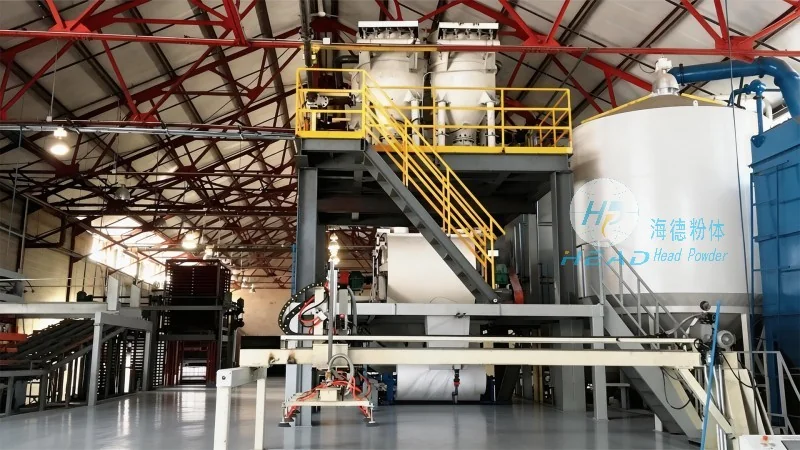
The Design Principles Behind Continuous Material Conveying Lines
The design of a continuous material conveying line is a complex process that involves several key principles aimed at optimizing performance, reliability, and adaptability. First, the system must be tailored to the specific characteristics of the material being transported—such as size, weight, shape, and moisture content. This includes selecting appropriate conveyor types, like belt conveyors, chain conveyors, or screw conveyors, based on the material's properties and the required handling environment. For instance, a belt conveyor may be ideal for transporting lightweight, dry products, while a chain conveyor might be better suited for heavier or bulkier items that require more robust support.
Second, the design must consider the overall workflow and layout of the facility. This involves analyzing the distance between the material's origin and destination, the number of stops or transfer points needed, and the integration with other equipment, such as packaging machines or processing units. The goal is to create a streamlined process that minimizes downtime and maximizes throughput. Engineers often use simulation tools to model different scenarios and optimize the conveyor's speed, inclination, and capacity to match the production requirements.
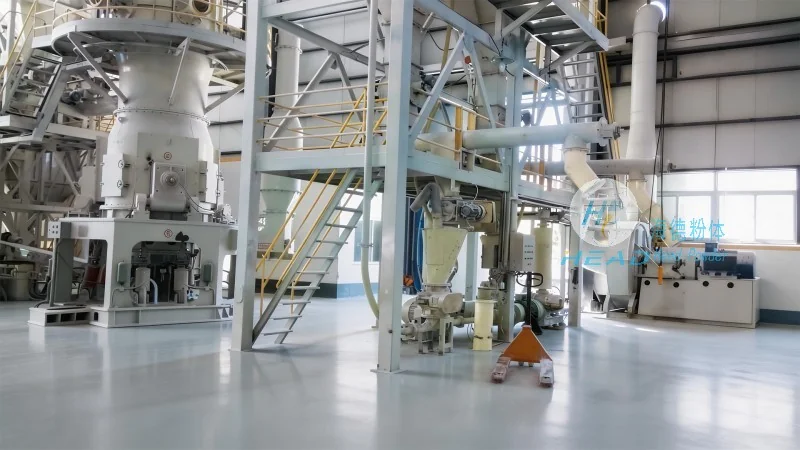
Third, safety and maintenance are critical design considerations. Continuous conveying lines operate in industrial environments where safety protocols are paramount. The design incorporates features like emergency stop buttons, safety guards, and monitoring systems to prevent accidents and ensure operator safety. Additionally, the system is built with durable materials and components that can withstand heavy use and regular maintenance, reducing the risk of breakdowns and extending the equipment's lifespan. Regular maintenance schedules are also integrated into the design to ensure consistent performance and minimize operational disruptions.
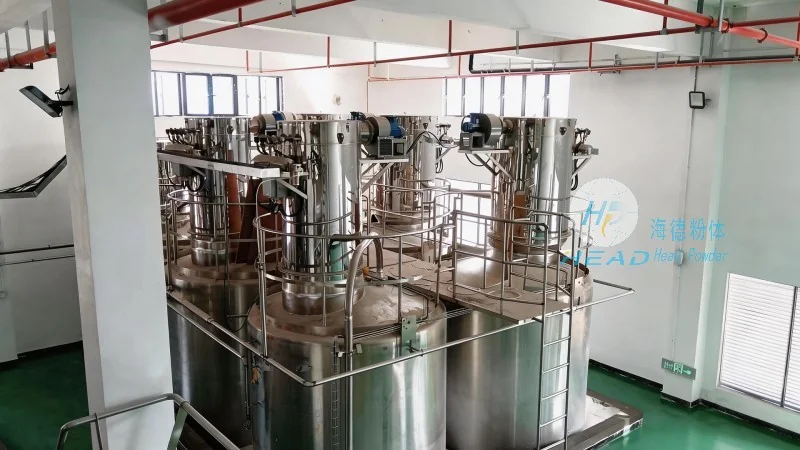
Key Components of a Continuous Material Conveying Line
A continuous material conveying line typically consists of several interconnected components that work together to achieve efficient material transport. The primary components include the feed system, which introduces the material into the conveyor; the conveyor itself, which moves the material along the path; and the discharge system, which removes the material from the end of the line. The feed system may involve hoppers, chutes, or vibrating feeders that ensure a consistent flow of material into the conveyor. The conveyor, which can be a belt, chain, or screw, is responsible for the actual movement of the material. For example, a belt conveyor uses a continuous belt looped over rollers to transport items, while a chain conveyor employs a series of chains and sprockets to move heavier loads. The discharge system may include chutes, elevators, or sorters that direct the material to its final destination.
Other essential components include control systems, which manage the speed and direction of the conveyor, and sensors, which monitor the material flow and detect any issues, such as blockages or jams. These components work in tandem to ensure the system operates smoothly and efficiently. The control system may use programmable logic controllers (PLCs) or other automation technologies to adjust the conveyor's speed based on real-time conditions, such as the volume of material or the presence of obstacles. Sensors, such as photoelectric sensors or proximity sensors, can detect the position of the material and trigger actions like stopping the conveyor or alerting operators to potential problems.




