

What is a Fly Ash Material Pneumatic Conveying System? And What Are Its Design Principles?
Understanding the fundamentals of fly ash material pneumatic conveying systems is crucial for industries dealing with the handling and transportation of this byproduct from coal combustion. This article explores the core concepts, operational principles, and design considerations that define such systems, providing a comprehensive overview for professionals in the field. Shandong HeadPowder Engineering Co., Ltd., a leading provider of engineering solutions for material handling systems, specializes in designing and manufacturing pneumatic conveying systems for various industrial applications.
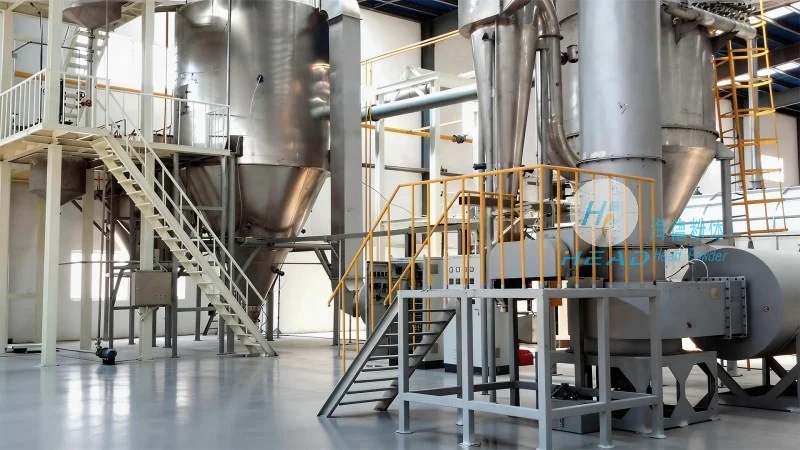
Introduction to Fly Ash Material Pneumatic Conveying Systems
Fly ash, a fine particulate residue generated during the combustion of coal in power plants, poses unique challenges for material handling due to its abrasive nature and potential health hazards. Traditional bulk material handling methods, such as belt conveyors or bucket elevators, may not be suitable for fly ash due to its fine particle size and tendency to cause wear and clogging. Pneumatic conveying systems offer an effective solution by using air or other gases to transport the material through a pipeline network, minimizing direct contact with equipment and reducing operational risks.
Core Components of a Pneumatic Conveying System
A typical fly ash pneumatic conveying system consists of several key components that work in tandem to ensure efficient material transport. These components include the material feed hopper, which stores and feeds the fly ash into the system; the air supply unit, which generates the necessary pressure or vacuum to move the material; the conveying line, which is a network of pipes designed to transport the material from the source to the destination; and the discharge equipment, which delivers the fly ash to its final location. Additionally, control systems and safety devices are integrated to monitor and regulate the operation of the system, ensuring optimal performance and preventing potential failures.
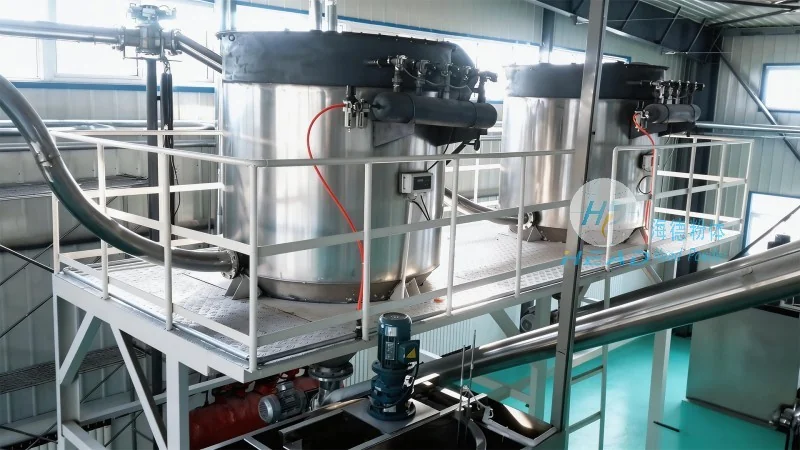
Design Principles for Fly Ash Pneumatic Conveying Systems
The design of a fly ash pneumatic conveying system must consider several critical factors to ensure reliability, efficiency, and safety. One of the primary design principles is the selection of the appropriate conveying method, which can be categorized as pressure or vacuum systems. Pressure systems use positive pressure to push the material through the pipeline, while vacuum systems use negative pressure to pull the material. The choice between these methods depends on factors such as the distance to be covered, the material characteristics, and the system layout. Another key design principle is the calculation of the required air velocity and pressure, which is essential to prevent material deposition and ensure smooth flow. Engineers must consider the particle size distribution, density, and moisture content of the fly ash to determine the optimal air velocity and pressure settings. Furthermore, the design must account for the wear resistance of the system components, as fly ash is abrasive and can cause significant wear on pipes, valves, and other parts. Materials such as stainless steel or specialized coatings are often used to extend the lifespan of the equipment.
Operational Considerations and Maintenance
Once a fly ash pneumatic conveying system is installed and operational, proper maintenance is essential to ensure long-term performance and minimize downtime. Regular inspections of the conveying line for blockages or wear, cleaning of the air filters to prevent clogging, and monitoring of the air pressure and flow rates are all critical maintenance tasks. Additionally, the system should be equipped with safety features such as pressure relief valves and emergency shut-off mechanisms to prevent accidents and protect personnel. Proper training of operators on the system's operation and maintenance procedures is also vital to ensure safe and efficient operation.
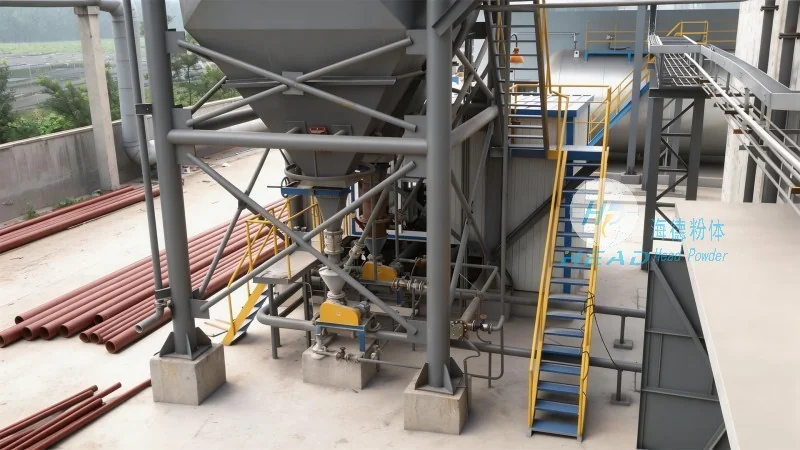
Applications and Benefits of Fly Ash Pneumatic Conveying Systems
Fly ash material pneumatic conveying systems are widely used in various industries, including power generation, cement production, and construction materials manufacturing. The primary benefits of these systems include reduced labor costs, improved safety by minimizing direct handling of fly ash, and increased efficiency in material transport. By eliminating the need for manual handling and reducing the risk of dust exposure, these systems contribute to a safer working environment. Furthermore, the ability to transport fly ash over long distances without the need for intermediate storage or transfer points enhances operational flexibility and reduces overall costs.
Conclusion
In conclusion, fly ash material pneumatic conveying systems are sophisticated solutions for handling and transporting this fine particulate byproduct from coal combustion. By understanding the core components, design principles, and operational considerations, industries can implement effective systems that enhance safety, efficiency, and cost-effectiveness. With proper design, maintenance, and operation, these systems provide a reliable and sustainable method for managing fly ash, contributing to the overall sustainability of power generation and related industries.