Positive pressure blowing pneumatic conveying systems represent a sophisticated method for transporting bulk materials over varying distances. This technology, widely utilized in industries such as food processing, pharmaceuticals, and chemical manufacturing, operates by generating a positive pressure within the conveying line. The system typically involves a blower or compressor that supplies compressed air or gas, which then propels the material through the pipeline. The process begins with the material being fed into the system, often via a hopper or feeder, where it is then mixed with the pressurized air stream. As the air and material mixture travels through the pipeline, the pressure differential ensures the material is carried to the destination point, such as a silo or processing unit. The receiving equipment, including a separator or cyclone, then separates the material from the air, allowing for clean material discharge and air recycling or treatment.
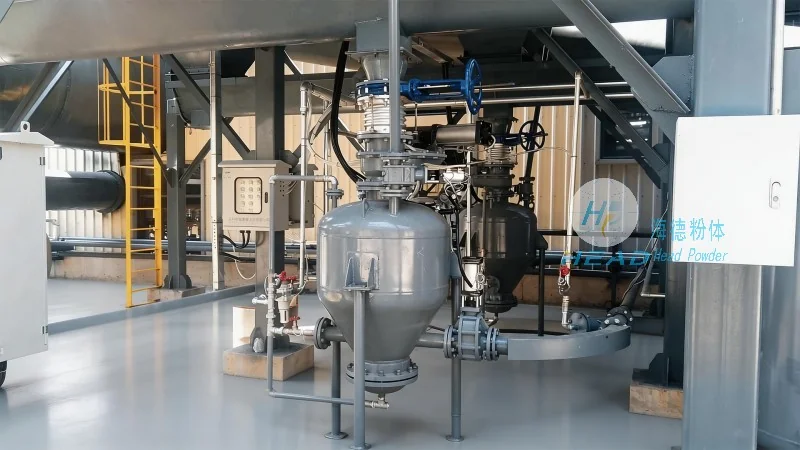
Working Principle of Positive Pressure Blowing Pneumatic Conveying
The core working principle of positive pressure blowing pneumatic conveying relies on the generation of a consistent positive pressure throughout the entire conveying line. Unlike negative pressure systems, which create a vacuum to draw material, positive pressure systems actively push the material forward using compressed air. The system's design includes key components such as a blower, material feeder, conveying pipeline, and a receiving unit. The blower, usually an industrial-grade centrifugal or positive displacement type, provides the necessary air pressure, typically ranging from 0.5 to 2 bar, depending on the material's properties and the required conveying distance. The material feeder, which may be a rotary valve or a screw feeder, ensures a steady flow of material into the system. As the material enters the pipeline, it is entrained by the high-velocity air stream, forming a dense or dilute phase mixture. The pipeline's diameter and length are carefully selected to maintain the required air velocity, which is crucial for preventing material deposition and ensuring efficient transport. The receiving unit, often a cyclone separator, uses centrifugal force to separate the material from the air. The separated material is collected in a hopper, while the air is either vented to the atmosphere or passed through a filter for recycling. This closed-loop system minimizes dust emissions and optimizes energy efficiency.
Key Features of Positive Pressure Blowing Pneumatic Conveying
Positive pressure blowing pneumatic conveying systems offer several distinct advantages that make them suitable for diverse industrial applications. One of the primary features is their ability to handle a wide range of bulk materials, including powders, granules, and even bulk solids with varying moisture content or particle sizes. The system's flexibility allows for adaptation to different material characteristics, making it a versatile solution for industries with diverse material handling needs. Another notable feature is the relatively long conveying distances that can be achieved, often up to several hundred meters, depending on the system's design and the material's properties. This capability is particularly beneficial for facilities where material storage and processing units are located at a distance from the source. The system also provides excellent material containment, as the entire conveying process is enclosed within the pipeline and receiving equipment, reducing dust dispersion and environmental impact. Additionally, positive pressure systems are generally more energy-efficient compared to negative pressure systems, as they operate at lower air velocities and pressures, leading to reduced energy consumption and operational costs. The closed-loop design further enhances energy efficiency by recycling the air, minimizing waste and ensuring sustainable operation. Furthermore, these systems are relatively easy to install and maintain, with modular components that allow for straightforward integration into existing production lines. The robust construction of the equipment ensures durability and long-term reliability, even in harsh industrial environments. Safety is another critical feature, as the enclosed system prevents accidental release of material or air, reducing the risk of workplace hazards. The system's ability to handle abrasive materials without significant wear on components is also a key advantage, extending the lifespan of the equipment and reducing maintenance frequency.
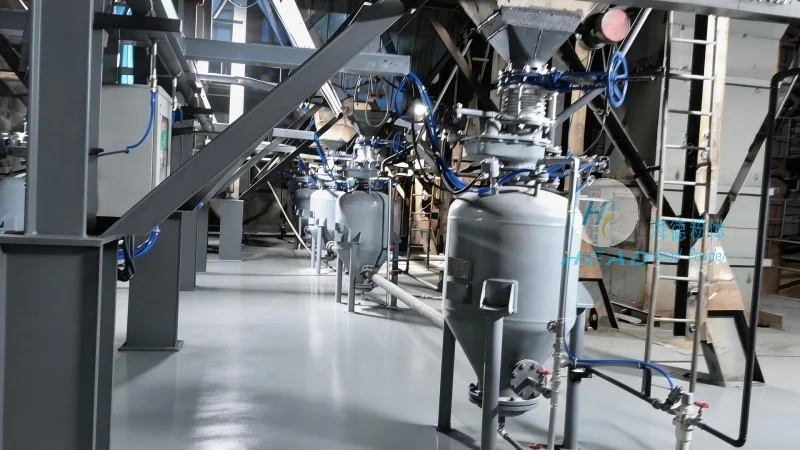
Applications and Industries Utilizing Positive Pressure Blowing Pneumatic Conveying
Positive pressure blowing pneumatic conveying systems are widely adopted across various industries due to their adaptability and efficiency. In the food and beverage industry, these systems are used for transporting ingredients such as flour, sugar, and spices, ensuring hygienic and dust-free handling. The pharmaceutical industry relies on positive pressure systems for conveying active pharmaceutical ingredients (APIs) and excipients, maintaining strict contamination control and meeting regulatory standards. The chemical industry utilizes these systems for handling powders and granules, including raw materials and intermediates, in processes like mixing, blending, and packaging. In the agricultural sector, positive pressure conveying is employed for transporting grain, feed, and other bulk agricultural products, facilitating efficient storage and distribution. The manufacturing industry also benefits from these systems for transporting raw materials and finished products, improving production line efficiency and reducing manual handling. The versatility of positive pressure blowing pneumatic conveying makes it a preferred choice for industries requiring reliable, dust-free, and energy-efficient material transport solutions.
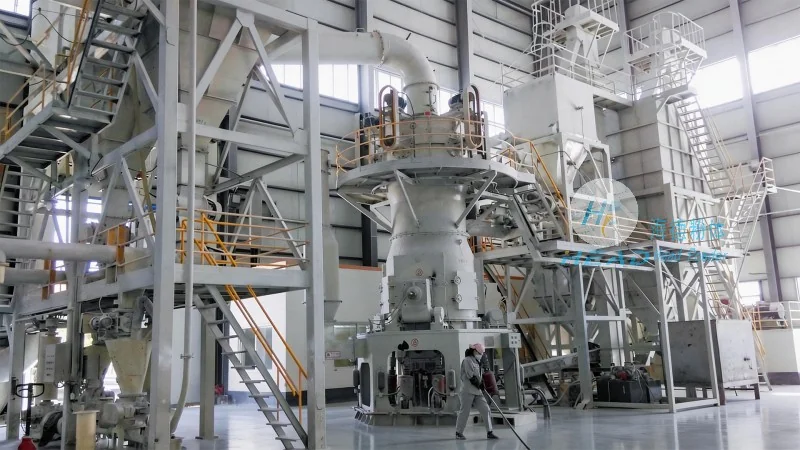
Advantages and Limitations of Positive Pressure Blowing Pneumatic Conveying
While positive pressure blowing pneumatic conveying offers numerous benefits, it also has certain limitations that must be considered. One of the main advantages is the ability to handle long distances and diverse materials, as previously discussed. However, the system's performance can be affected by the material's properties, such as particle size, density, and moisture content. Coarse or abrasive materials may cause increased wear on the blower and pipeline components, requiring more frequent maintenance. Additionally, the system's energy consumption can be higher compared to other material handling methods, especially for short-distance or low-volume applications. The initial investment cost for a positive pressure system is also relatively higher due to the need for robust components and a comprehensive design. Another limitation is the potential for material degradation if the conveying temperature is not properly controlled, as high air velocities can generate heat, affecting heat-sensitive materials. However, modern systems incorporate temperature control measures to mitigate this issue. Despite these limitations, the overall advantages of positive pressure blowing pneumatic conveying, including its efficiency, flexibility, and environmental benefits, make it a preferred solution for many industrial applications. The system's ability to integrate with existing infrastructure and adapt to changing production needs further enhances its appeal.
Conclusion and Company Overview
Positive pressure blowing pneumatic conveying systems represent a highly effective and versatile method for bulk material transport, offering significant advantages in terms of efficiency, flexibility, and environmental compliance. The working principle, which relies on positive pressure to propel material through enclosed pipelines, ensures reliable and dust-free operation. Key features such as material versatility, long-distance capability, and energy efficiency make these systems suitable for a wide range of industrial applications. Industries like food, pharmaceuticals, and chemicals benefit from the hygienic and controlled handling of materials, while the system's durability and ease of maintenance contribute to long-term operational reliability. As a leading provider in this field, Shandong HeadPowder Engineering Co., Ltd. specializes in designing and manufacturing high-quality positive pressure pneumatic conveying systems tailored to meet the specific needs of various industries. With a focus on innovation and customer satisfaction, the company ensures that its systems deliver optimal performance and contribute to enhanced productivity and safety in material handling operations. Based in Shandong, China, HeadPowder Engineering Co., Ltd. leverages advanced technology and expertise to deliver solutions that meet the evolving demands of modern industrial processes. The company's commitment to quality and sustainability aligns with the global trend towards efficient and environmentally friendly material transport solutions.




