For agricultural and industrial applications, efficient material handling is crucial, especially when dealing with bulk materials like wheat. Pneumatic conveying systems offer a reliable and effective solution for transporting wheat and other similar granular materials. This article explores the working principle and key characteristics of such systems, highlighting their benefits and operational aspects.
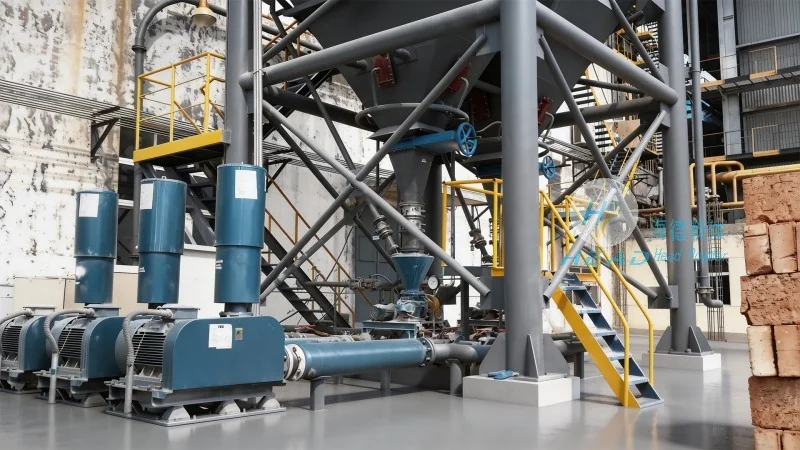
Working Principle of Pneumatic Conveying for Wheat
The core mechanism of pneumatic conveying for wheat involves the use of air to transport material through a pipeline system. The process typically starts with the material being fed into a hopper or feeder, where it is then drawn into a pipeline by a vacuum or pressure source. The air flow creates a flow of material, moving it from the source to the destination. This method eliminates the need for mechanical components like belts or buckets, reducing maintenance and increasing operational efficiency. The system can operate under both vacuum and pressure conditions, providing flexibility in application. The air velocity and pressure are carefully controlled to ensure the material is conveyed without degradation or blockage.
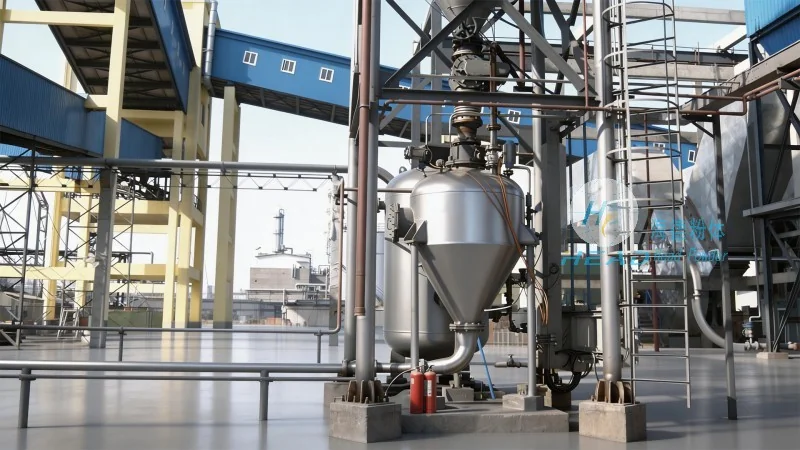
Key Characteristics of Pneumatic Conveying Systems for Wheat
Several notable characteristics define the performance of pneumatic conveying systems for wheat material handling. First, the system is highly efficient in terms of energy consumption compared to traditional methods like bucket elevators or belt conveyors. It minimizes material degradation due to reduced friction and impact, which is critical for maintaining the quality of wheat. Additionally, the system offers excellent flexibility in terms of layout, as it can be installed in various configurations to suit different plant layouts. The enclosed pipeline design also helps in controlling dust and maintaining hygiene standards, which is essential in food processing environments. Another key characteristic is the ability to handle a wide range of material sizes and moisture contents, making it versatile for different wheat varieties and processing stages. The system's scalability allows for easy expansion as production needs grow, ensuring long-term operational viability.
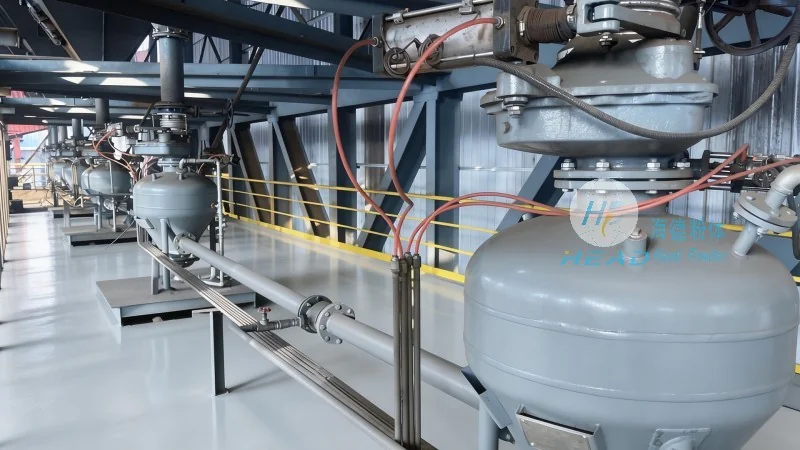
Benefits and Applications in Wheat Processing
Pneumatic conveying systems for wheat offer numerous benefits that enhance overall processing efficiency. They provide a clean and hygienic method of material transport, which is vital in food processing industries where compliance with regulatory standards is mandatory. The reduced need for manual handling minimizes labor costs and improves workplace safety. Furthermore, the system's ability to handle high volumes of material at a consistent rate supports continuous production processes. In wheat processing plants, these systems are commonly used for transporting raw wheat from storage silos to milling equipment, or for moving finished products to packaging lines. The reliability of pneumatic conveying ensures minimal downtime, contributing to higher overall productivity.
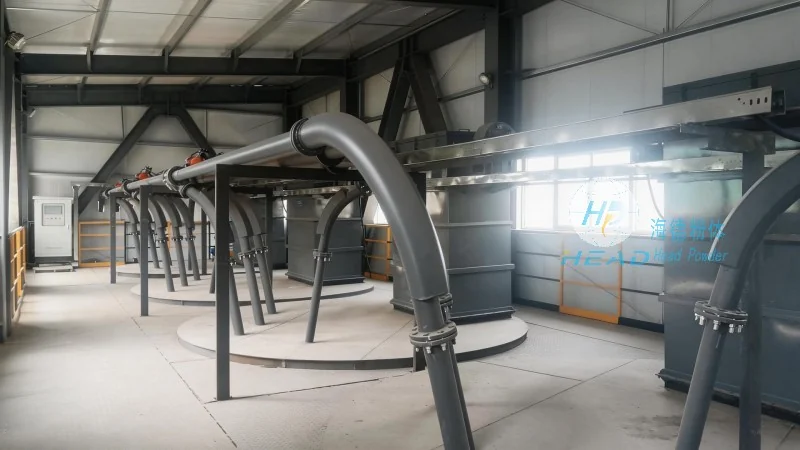
Company Overview: Shandong HeadPowder Engineering Co., Ltd.
As a leading provider of material handling solutions, Shandong HeadPowder Engineering Co., Ltd. specializes in designing and manufacturing advanced pneumatic conveying systems tailored for agricultural and industrial applications. With a focus on innovation and quality, the company has established itself as a trusted partner in the industry. HeadPowder's expertise lies in customizing systems to meet specific client requirements, ensuring optimal performance and efficiency. The company's headquarters is located in Shandong, China, where it operates a state-of-the-art facility for research, development, and production. By leveraging advanced engineering and manufacturing capabilities, HeadPowder delivers solutions that enhance operational efficiency and reduce costs for its clients.




