Working Principle and Characteristics of Pneumatic Conveying for Carbon Black Materials
Release time:2026-09-18 06:01:25
name of the company:Shandong Headpowder Engineering Co., Ltd.
telephone:156-6277-7102
contacts:Zhang manager
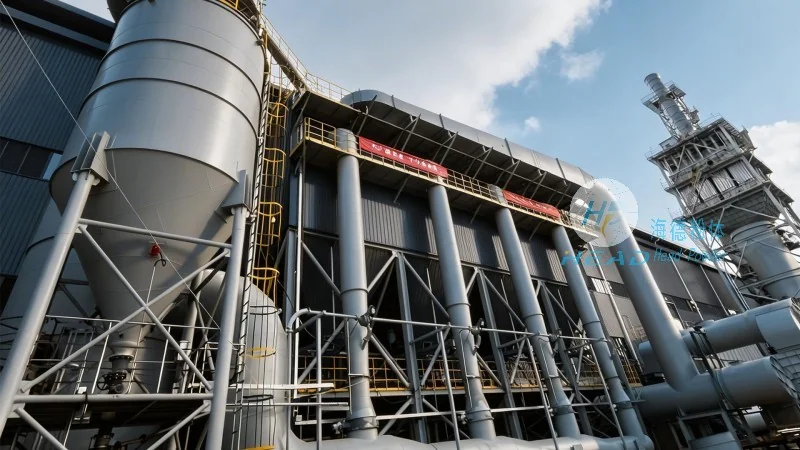
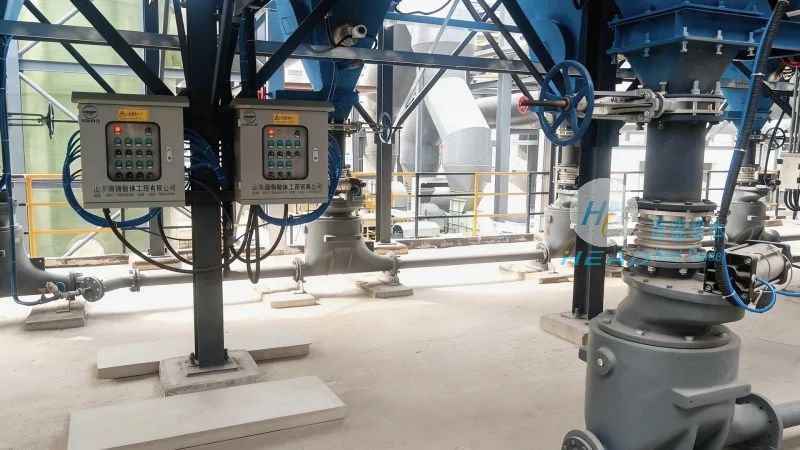
Pneumatic conveying is a widely used method for transporting carbon black materials, which involves the movement of solid particles (carbon black) suspended in a gas stream. The process typically operates under either positive pressure or negative pressure systems. In a positive pressure system, air is blown into the conveying line, creating a pressure higher than the ambient air, which pushes the carbon black particles through the pipeline. Conversely, a negative pressure system draws air and particles into the line using a vacuum, creating a lower pressure than the surroundings. The core of the process is the creation of a two-phase flow where the carbon black particles are entrained and transported by the gas. This method ensures efficient and continuous movement of carbon black, which is crucial for industrial applications where consistent material flow is essential.
Key Characteristics of Pneumatic Conveying for Carbon Black
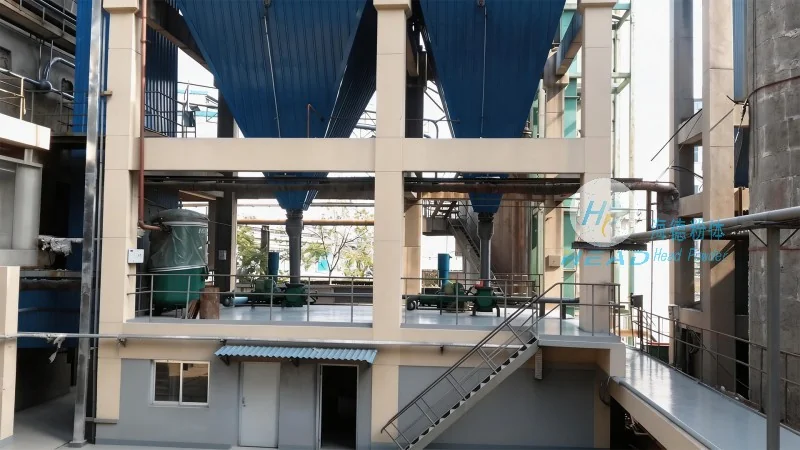
When applied to carbon black materials, pneumatic conveying exhibits several distinct characteristics that make it an attractive option for many industries. Firstly, it offers high efficiency in terms of material handling, as it can transport carbon black over long distances with minimal loss or degradation of the material. The enclosed system also helps in maintaining the quality of the carbon black, preventing contamination from external sources. Additionally, pneumatic conveying systems are relatively compact and can be integrated into existing production lines, reducing the need for extensive infrastructure changes. Another important characteristic is the ability to handle carbon black in various forms, including powders and fine particles, without the need for additional processing steps. This flexibility allows manufacturers to adapt the conveying system to their specific production requirements. Furthermore, the system can be designed to operate with low energy consumption, contributing to cost savings and environmental benefits. Overall, these characteristics make pneumatic conveying a reliable and effective method for carbon black material transport.
Application and Benefits in Industrial Settings
The application of pneumatic conveying for carbon black materials is prevalent in various industrial sectors, including rubber, plastics, and coatings. In these industries, the consistent and reliable transport of carbon black is vital for maintaining product quality and production efficiency. The benefits of using pneumatic conveying in these settings include improved process control, reduced downtime due to material blockages, and enhanced safety by minimizing direct handling of carbon black powders. The enclosed nature of the system also helps in controlling dust emissions, which is crucial for maintaining a safe working environment and complying with environmental regulations. Furthermore, the ability to integrate multiple conveying lines into a single system allows for the efficient transfer of carbon black between different processing stages, such as from storage to mixing or from mixing to packaging. This integration streamlines the production process and reduces the overall time required for material handling. In summary, the application of pneumatic conveying for carbon black materials offers significant advantages in terms of efficiency, safety, and cost-effectiveness, making it a preferred choice for many industrial applications.




