Shandong HeadPowder Engineering Co., Ltd., a leading provider in the field, specializes in pneumatic conveying systems tailored for husk materials. This article explores the fundamental working principles and key characteristics of such systems, offering insights into their operational efficiency and practical applications.
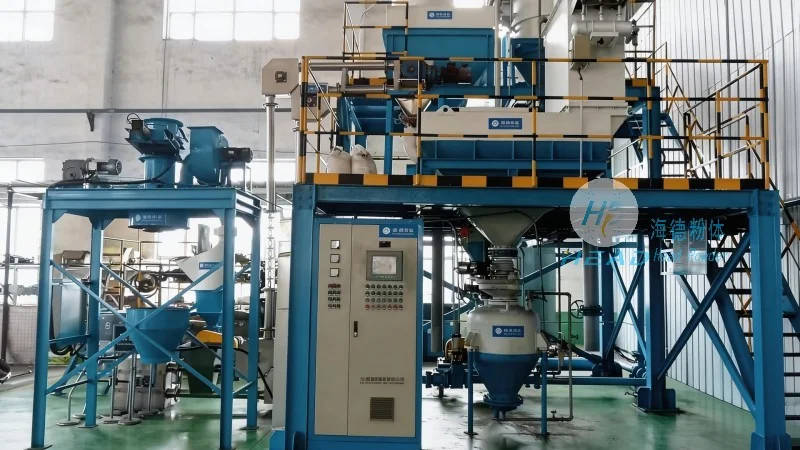
The Working Principle of Pneumatic Conveying for Husk Materials
Pneumatic conveying for husk materials operates by utilizing a pressurized or vacuum system to transport bulk materials through a pipeline. The process typically involves the following steps: first, the husk material is introduced into a hopper or feeder. Then, a fan or blower generates airflow, which lifts and propels the material particles through the pipeline. The system may employ either positive pressure (where air is forced into the system) or negative pressure (where air is drawn out), depending on the specific requirements of the application. The design of the conveying line, including the diameter of the pipes, the length of the run, and the number of bends, is crucial for maintaining the efficiency and preventing material degradation or blockages. The fan or blower provides the necessary pressure differential to move the material, ensuring a consistent flow rate and minimizing the risk of clogging.
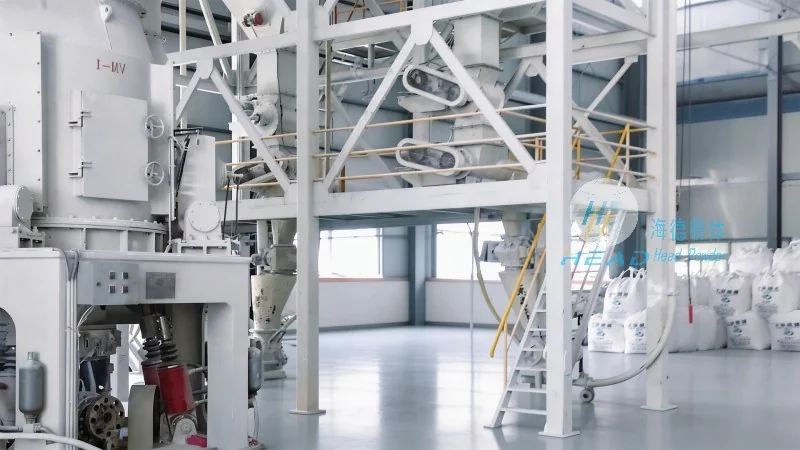
Key Characteristics of Pneumatic Conveying Systems for Husk Materials
Several distinct characteristics define pneumatic conveying systems used for husk materials, each contributing to their effectiveness and suitability for various industrial processes. One primary characteristic is the ability to handle fine or powdery husk particles without the need for additional equipment like screw conveyors or bucket elevators. This reduces the risk of material degradation and contamination, as the particles are not subjected to mechanical stress during transport. Another important characteristic is the flexibility in system design, allowing for horizontal, vertical, or combined (inclined) conveying runs. This adaptability enables the integration of the system into existing production lines or new installations, optimizing space utilization and workflow. Additionally, pneumatic conveying systems offer a high degree of cleanliness and hygiene, as the material is contained within a sealed pipeline, preventing dust emissions and maintaining a controlled environment. The systems also provide energy efficiency, as they can be designed to operate with minimal power consumption, especially when using optimized airflow and pipeline configurations. Furthermore, the ability to handle varying material loads and flow rates makes these systems versatile, suitable for both small-scale and large-scale operations in industries such as agriculture, food processing, and biomass energy production.
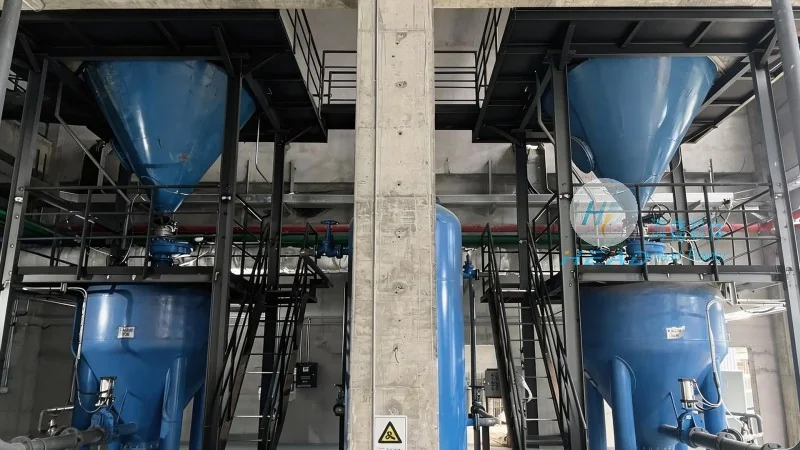
Operational Advantages and Practical Considerations
When implementing pneumatic conveying systems for husk materials, several operational advantages and practical considerations must be taken into account. The primary advantage is the reduction in labor costs and manual handling, as the system automates the material transport process, minimizing the need for manual loading and unloading. This not only improves safety by reducing exposure to dust and physical strain but also enhances productivity by allowing for continuous operation. Another advantage is the ability to maintain material quality, as the sealed pipeline prevents contamination from external sources and reduces the risk of moisture absorption or oxidation, which can affect the usability of the husk material. Practical considerations include the need for regular maintenance of the fan, blower, and pipeline components to ensure optimal performance. This includes cleaning the air filters, checking for leaks, and inspecting the pipeline for any signs of wear or blockage. The system's capacity and flow rate must also be matched to the production requirements to avoid underutilization or overloading, which can lead to inefficiencies or system failure. Finally, the environmental impact of the system, particularly in terms of energy consumption and dust emissions, should be evaluated to ensure compliance with regulatory standards and sustainability goals.




