For industrial operations involving sulfur materials, efficient material handling is crucial. Pneumatic conveying systems offer a reliable solution for transporting sulfur, and understanding their working principles and characteristics is essential for optimizing processes. This article explores the core aspects of sulfur material pneumatic conveying, highlighting how these systems operate and their key attributes.
Working Principle of Sulfur Material Pneumatic Conveying
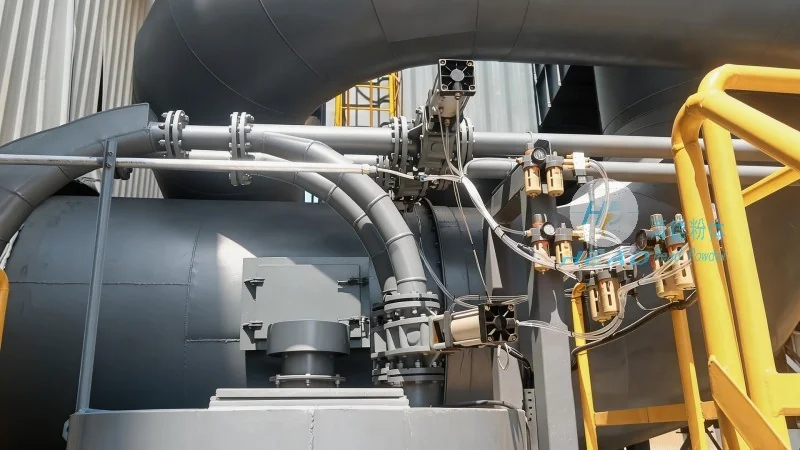
Pneumatic conveying of sulfur materials relies on the use of air or gas to transport solid particles through a pipeline. The process typically involves a few key components: a material feeder, a conveying line, a separation system, and a receiver. The working principle can be categorized into two main types: dilute-phase and dense-phase conveying.
In dilute-phase pneumatic conveying, sulfur particles are suspended in a high-velocity air stream. The air velocity is maintained above the particle's terminal velocity to keep the particles airborne. This method is suitable for short to medium distances and low to medium particle sizes. The system uses a positive pressure or negative pressure (vacuum) to move the material through the pipeline. Positive pressure systems are common for bulk material transport, as they can handle longer distances and higher material loads.
Dense-phase pneumatic conveying, on the other hand, involves transporting sulfur particles in a low-velocity air stream, often with a higher air-to-material ratio. This method is ideal for transporting materials over longer distances or when the material is sensitive to high velocities. The particles are carried in a dense cloud, reducing the risk of abrasion and material degradation. The system typically uses a positive pressure approach, where the air is injected at the material inlet to create a slug of material that moves through the pipeline.
Key Characteristics of Sulfur Material Pneumatic Conveying Systems
The characteristics of sulfur material pneumatic conveying systems are designed to meet the specific demands of handling sulfur. These systems exhibit several notable features that enhance their performance and reliability.
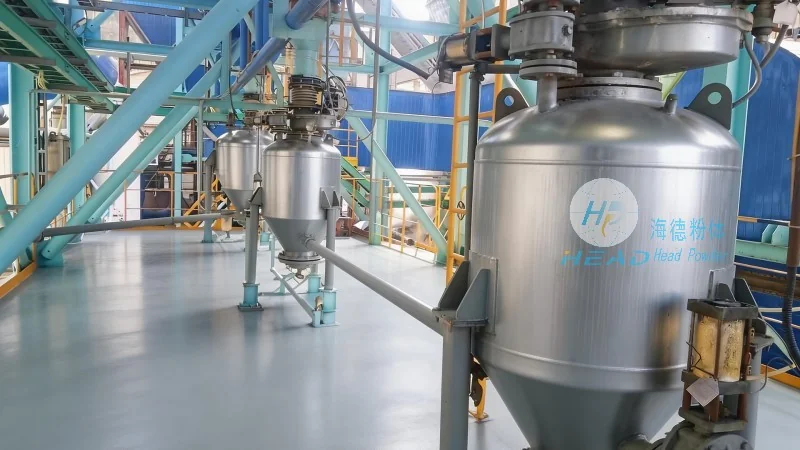
Firstly, the systems are designed for high efficiency in material transport. By using air as the conveying medium, the process minimizes the need for mechanical components like belts or buckets, reducing maintenance and operational costs. The ability to handle a wide range of sulfur particle sizes and shapes makes these systems versatile for various industrial applications.
Secondly, the systems offer excellent control over material flow. The use of pressure or vacuum control allows for precise regulation of the material's movement through the pipeline. This control is particularly important in processes where consistent material delivery is critical, such as in chemical processing or storage operations.
Thirdly, pneumatic conveying systems provide a clean and dust-free environment. Unlike mechanical conveying methods, which can generate dust and particles that may affect product quality or cause health hazards, pneumatic systems keep the material contained within the pipeline. This feature is especially beneficial when handling sulfur, which can be a respiratory irritant and requires strict safety measures.
Additionally, the systems are capable of handling abrasive or corrosive materials, such as sulfur, without significant wear or damage to the equipment. The design of the conveying line, including the use of corrosion-resistant materials and wear-resistant components, ensures long-term durability and minimal downtime.
Applications and Benefits in Industrial Settings
Sulfur material pneumatic conveying systems are widely used in various industrial sectors, including chemical manufacturing, petrochemical processing, and fertilizer production. The benefits of these systems extend beyond efficient material transport, contributing to overall operational efficiency and safety.
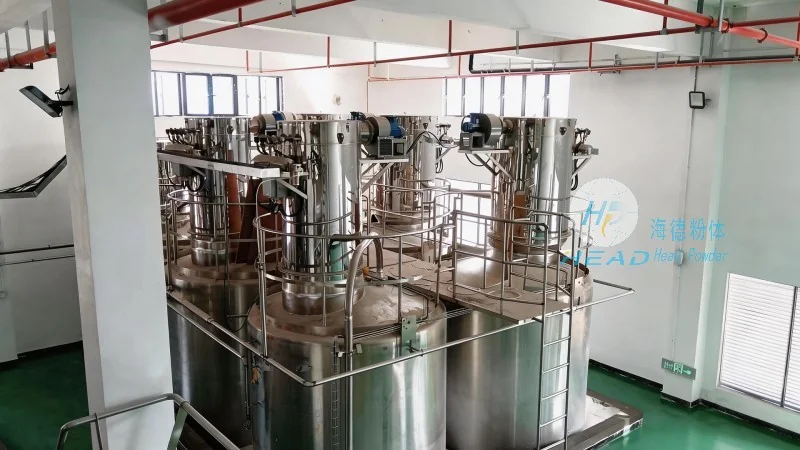
In chemical manufacturing, for example, pneumatic conveying is used to transport sulfur from storage silos to processing units. The system ensures a continuous and controlled supply of material, reducing the risk of bottlenecks or interruptions in production. The clean and dust-free operation also helps maintain product purity, which is essential for high-quality chemical products.
In petrochemical plants, sulfur is often processed as a byproduct of refining operations. Pneumatic conveying systems efficiently transport the sulfur to storage or further processing facilities. The ability to handle large volumes of material over long distances makes these systems ideal for industrial-scale operations.
Furthermore, the systems contribute to improved workplace safety. By containing the material within the pipeline, the risk of dust exposure and inhalation is significantly reduced. This is particularly important when handling sulfur, which can cause respiratory issues if inhaled in large quantities. The enclosed system also minimizes the risk of spills or leaks, enhancing environmental safety.
Conclusion
Pneumatic conveying of sulfur materials is a highly effective method for material handling, combining efficiency, control, and safety. The working principles of these systems, whether dilute-phase or dense-phase, are tailored to meet the specific needs of sulfur transport. The key characteristics, including high efficiency, precise control, and dust-free operation, make them a preferred choice in industrial applications. As industries continue to seek reliable and sustainable material handling solutions, pneumatic conveying systems remain a vital technology for transporting sulfur and other bulk materials.




