For industrial applications involving the handling of glass slag materials, pneumatic conveying systems offer an efficient and reliable method for material transport. Understanding the working principle and key characteristics of such systems is crucial for selecting the appropriate technology for specific operational needs. This article provides an in-depth overview of the pneumatic conveying process for glass slag, highlighting its fundamental mechanisms and distinctive features.
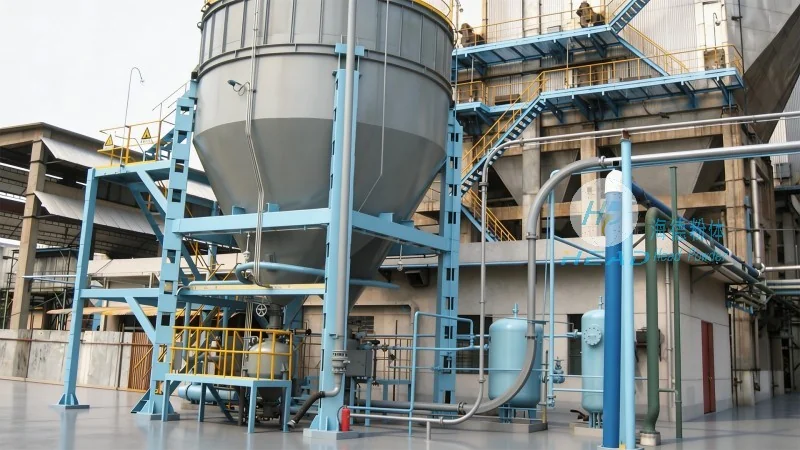
Working Principle of Pneumatic Conveying for Glass Slag Materials
Pneumatic conveying operates by using a stream of air or gas to transport solid particles, such as glass slag, through a pipeline. The system typically consists of a material feed hopper, a conveyor line, and a discharge point. The core principle involves creating a pressure differential between the inlet and outlet of the conveying line. By introducing air under pressure into the system, the glass slag particles are entrained and carried along the pipeline. The velocity of the air stream must be sufficient to overcome the gravitational and frictional forces acting on the particles, ensuring stable and continuous transport. The process can be categorized into two main types: dilute-phase and dense-phase conveying, each with distinct operational characteristics and applications.
Key Characteristics of Pneumatic Conveying Systems for Glass Slag
When applied to glass slag materials, pneumatic conveying systems exhibit several notable characteristics that influence their performance and suitability. First, the abrasive nature of glass slag requires specialized equipment to minimize wear and extend the service life of the conveying components. High-quality materials, such as stainless steel or wear-resistant alloys, are commonly used for the pipeline and fittings to withstand the constant impact of the particles. Additionally, the temperature of the glass slag can vary significantly, especially if it has been recently processed or cooled. Pneumatic conveying systems must be designed to handle temperature variations, often incorporating insulation or temperature-resistant components to prevent heat loss or damage to the system.
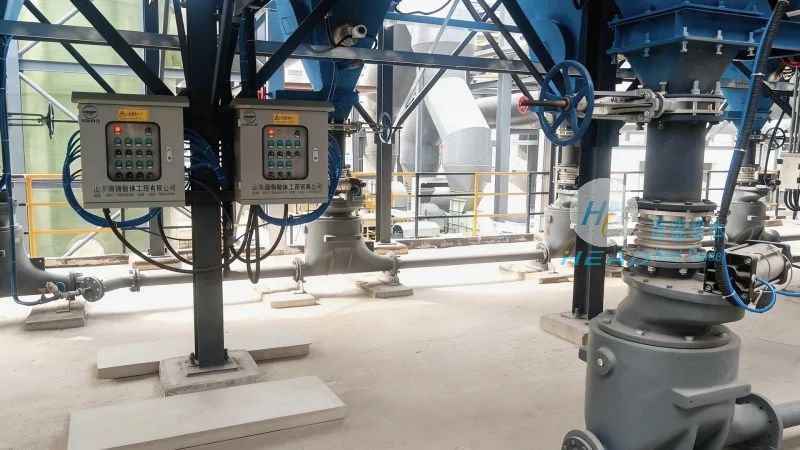
Another critical characteristic is the need for precise control over the air flow and pressure. This ensures consistent particle velocity and prevents blockages or uneven distribution of the material. Advanced control systems, including pressure sensors and flow meters, are integrated into modern pneumatic conveying setups to maintain optimal operational conditions. The system's ability to handle a wide range of particle sizes and densities is also a significant advantage, as glass slag can vary in composition and size depending on the source and processing method.
Advantages and Applications of Pneumatic Conveying for Glass Slag
Pneumatic conveying offers several advantages when used for glass slag transport, making it a preferred choice in many industrial settings. One of the primary benefits is the ability to transport materials over long distances without the need for intermediate transfer points or manual handling. This reduces operational costs and improves safety by minimizing the risk of accidents associated with manual material handling. The system also provides a clean and enclosed environment, preventing dust and debris from contaminating other parts of the facility. This is particularly important in applications where glass slag may contain fine particles that could otherwise cause environmental or health issues.
Furthermore, pneumatic conveying systems are highly flexible and can be easily integrated into existing production lines. They can be adapted to handle varying material flow rates and can be scaled up or down to meet changing production demands. The technology is also suitable for applications requiring high levels of automation, as the conveying process can be controlled remotely and monitored in real-time. This enhances operational efficiency and allows for quick adjustments to maintain optimal performance.
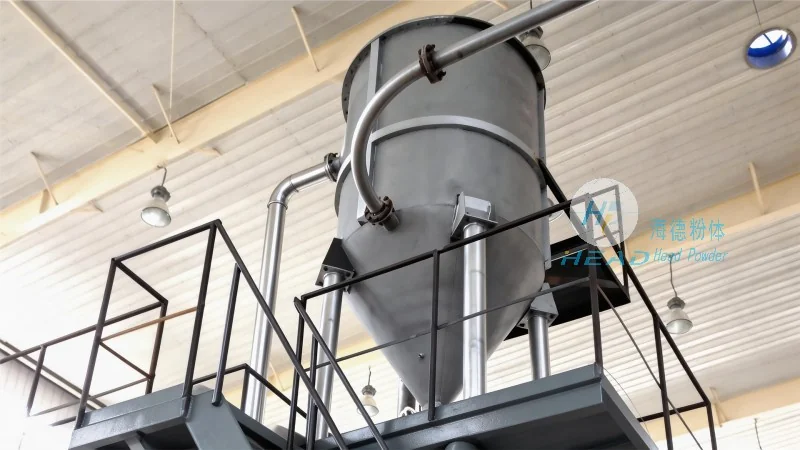
Conclusion and Company Overview
In conclusion, pneumatic conveying is a highly effective method for transporting glass slag materials, offering a combination of efficiency, reliability, and flexibility. The working principle, which relies on air pressure to move particles through a pipeline, is well-suited to the characteristics of glass slag, including its abrasive nature and varying temperature. By selecting a properly designed and maintained pneumatic conveying system, industrial facilities can achieve improved material handling performance while reducing operational risks and costs.
Shandong HeadPowder Engineering Co., Ltd., a leading provider of material handling solutions, specializes in the design and implementation of pneumatic conveying systems tailored to the needs of glass slag processing industries. With a focus on quality and innovation, the company offers customized solutions that address the unique challenges of glass slag transport, ensuring optimal performance and longevity. Headquartered in Shandong, China, HeadPowder Engineering leverages its expertise to deliver reliable and efficient material handling systems that meet the highest industry standards.




