For industrial applications requiring efficient material handling, vacuum material pneumatic conveying systems offer a reliable solution. This technology is widely used in various sectors such as pharmaceuticals, food processing, and chemical manufacturing to transport bulk materials with precision and minimal contamination. Understanding the working principle and key characteristics of these systems is essential for selecting the right equipment for specific operational needs.
Overview of Vacuum Material Pneumatic Conveying
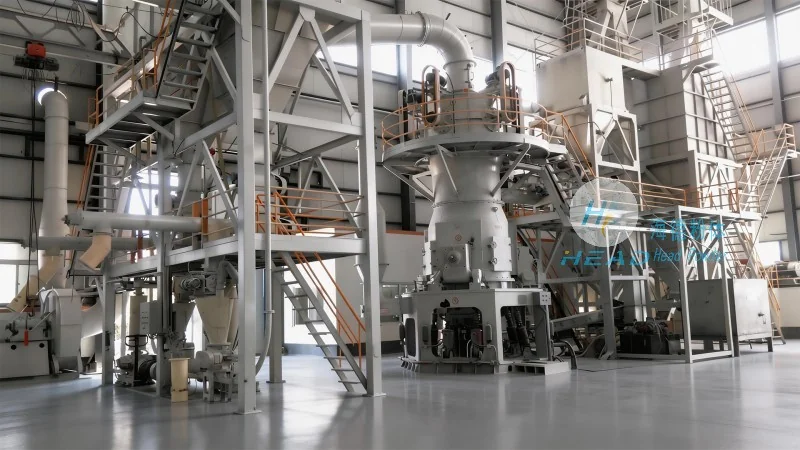
Vacuum material pneumatic conveying, also known as negative pressure conveying, operates by creating a vacuum in the conveying line to draw material from a source to a destination. Unlike positive pressure systems that push material through a pressurized line, vacuum systems utilize suction to move materials, making them particularly suitable for applications where material needs to be drawn from a hopper or silo into a processing unit. The system typically consists of a vacuum pump, a conveying line, a material feed hopper, and a discharge receiver. The vacuum pump generates the negative pressure, which pulls the material particles along with the air stream through the pipeline.
Working Principle of Vacuum Material Pneumatic Conveying
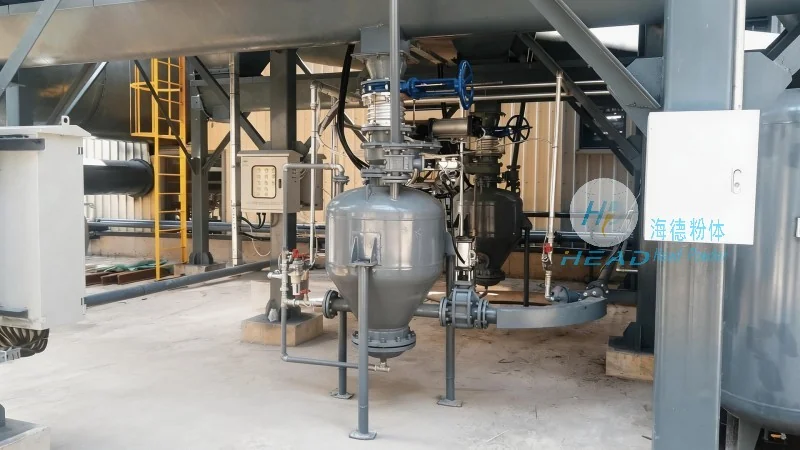
The core mechanism of vacuum material pneumatic conveying involves several key steps. First, the material is fed into the hopper from a storage silo or bin. A rotary valve or feeder then controls the flow rate of the material into the conveying line. Simultaneously, the vacuum pump operates to create a pressure differential between the hopper and the discharge receiver. This pressure difference causes the material to be drawn into the conveying line along with the air stream. As the material travels through the pipeline, it is carried by the air flow until it reaches the discharge point. At the receiver, the material is separated from the air using a cyclone separator or a filter, and the air is then released back into the environment or recirculated if necessary.
Key Characteristics of Vacuum Material Pneumatic Conveying Systems
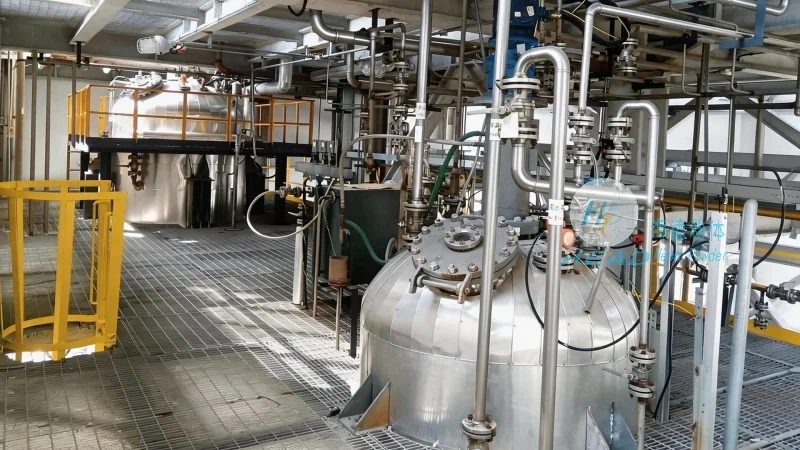
Several distinct characteristics define vacuum material pneumatic conveying systems, making them advantageous in specific industrial contexts. One primary characteristic is the ability to handle a wide range of materials, including fine powders, granules, and even bulk solids. The negative pressure environment helps prevent dust and particulate matter from escaping into the workplace, enhancing safety and compliance with environmental regulations. Additionally, vacuum systems are generally quieter compared to positive pressure systems, reducing noise pollution in industrial settings. Another notable feature is their flexibility in conveying distances and layout configurations. They can be designed to handle long-distance transport or complex routing, adapting to the spatial constraints of a facility. The system also allows for gentle material handling, minimizing product degradation and maintaining product integrity, which is crucial for sensitive materials like pharmaceuticals or food products.
Applications and Benefits in Industrial Settings
Vacuum material pneumatic conveying systems are employed in numerous industrial applications where material transport efficiency and product quality are paramount. In the pharmaceutical industry, these systems are used to convey active pharmaceutical ingredients (APIs) and excipients with high precision, ensuring that the materials remain sterile and free from contamination. The food processing sector utilizes vacuum conveying for handling powders such as flour, sugar, and spices, maintaining hygiene standards and preventing cross-contamination. In chemical manufacturing, vacuum systems are essential for transporting reactive or hazardous materials safely, as they minimize exposure risks and provide controlled handling. The benefits of vacuum conveying include reduced labor costs due to automated material transport, lower energy consumption compared to some alternative methods, and improved process reliability. Furthermore, the systems can be integrated with other processing equipment, such as mixers or reactors, to create a seamless material handling workflow.
Company Introduction: Shandong HeadPowder Engineering Co., Ltd.
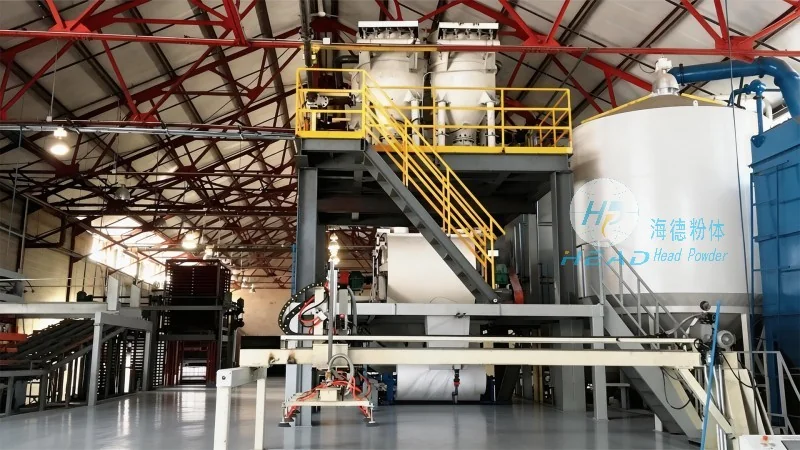
Shandong HeadPowder Engineering Co., Ltd., operating under the brand name HeadPowder, is a leading manufacturer and supplier of advanced material handling solutions. With a focus on innovation and quality, the company specializes in designing and manufacturing vacuum material pneumatic conveying systems tailored to the diverse needs of industrial clients. HeadPowder's products are engineered to meet stringent industry standards, ensuring reliability, efficiency, and durability in demanding operational environments. The company's headquarters is located in Shandong, China, where a team of experienced engineers and technicians develops cutting-edge solutions for material transport challenges. By leveraging years of expertise in the field, HeadPowder provides comprehensive support, from system design and installation to maintenance and after-sales service, helping clients optimize their material handling processes and enhance overall operational performance.




