Ammonium chloride, a widely used chemical compound in various industrial applications, often requires efficient and reliable material handling solutions. The pneumatic conveying system, particularly designed for ammonium chloride, offers a sophisticated approach to transporting this material safely and effectively. This article delves into the working principle and key features of such a system, highlighting its importance in industrial operations.
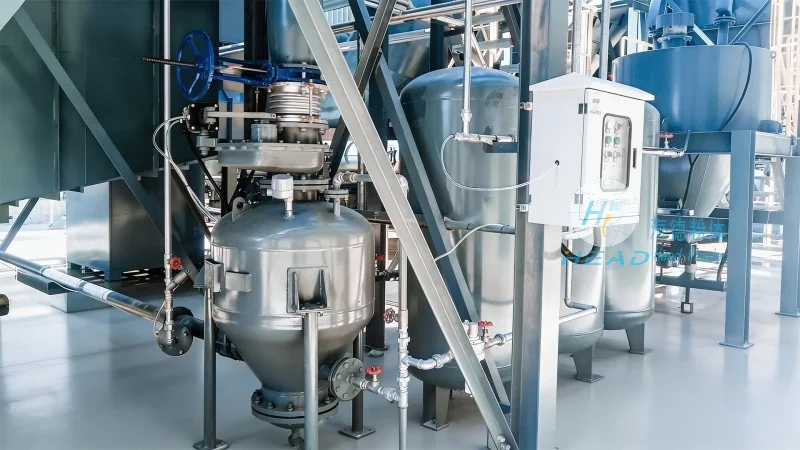
About Shandong HeadPowder Engineering Co., Ltd.
HeadPowder, the professional manufacturer behind these advanced conveying solutions, is a leading company based in Shandong, China. With a strong commitment to innovation and quality, HeadPowder specializes in engineering and manufacturing pneumatic conveying systems tailored to meet the specific needs of industries dealing with ammonium chloride and other bulk materials. The company’s headquarters is located in Shandong, where it leverages local expertise and resources to deliver high-performance equipment.
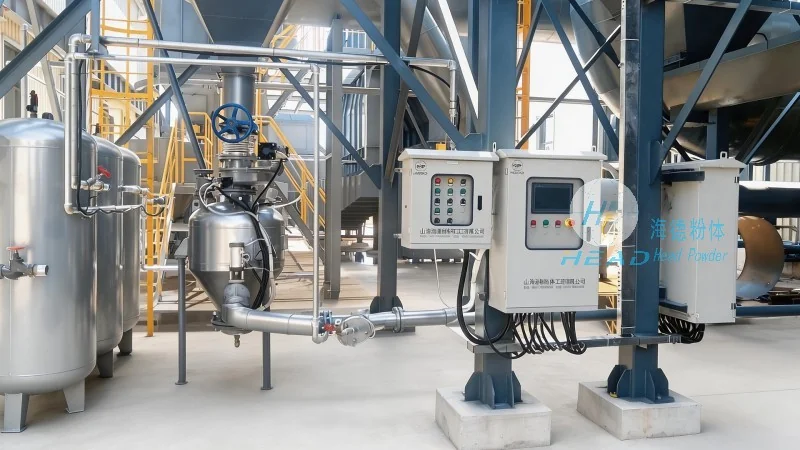
Working Principle of Ammonium Chloride Pneumatic Conveying System
The core mechanism of an ammonium chloride pneumatic conveying system involves the use of air or gas to transport the material through a pipeline. The process typically begins with the material being fed into a hopper or feeder, where it is then introduced into the conveying line. A fan or blower generates the necessary airflow, creating a pressure differential that propels the ammonium chloride particles through the system. The system may employ different conveying modes, such as dilute phase or dense phase, depending on the material characteristics and operational requirements. In dilute phase conveying, the material is suspended in the air stream, allowing for high-velocity transport over longer distances. Dense phase conveying, on the other hand, uses lower air velocities to move the material in a more controlled manner, reducing the risk of material degradation or blockages. The system includes components like the feeder, pipeline, and receiver, each playing a critical role in ensuring smooth material flow. The fan or blower provides the driving force, while the hopper and feeder regulate the material input. The pipeline, often made of corrosion-resistant materials suitable for ammonium chloride, ensures the integrity of the conveying process. The receiver collects the material at the destination, completing the transport cycle.
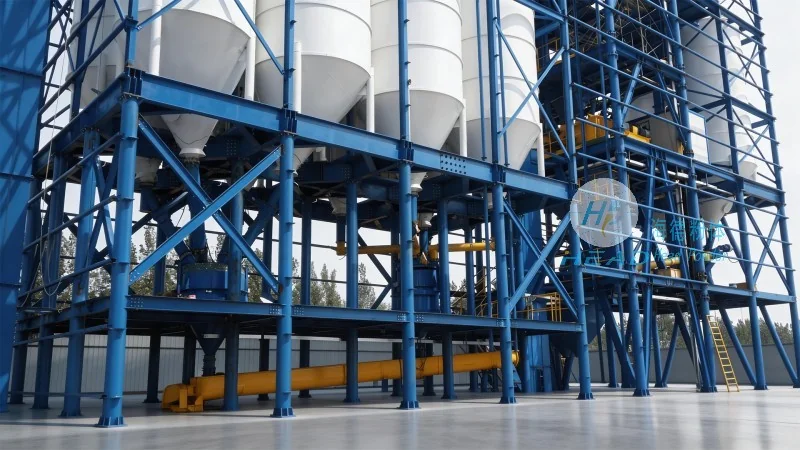
Key Features of Ammonium Chloride Pneumatic Conveying System
Several distinct features make the ammonium chloride pneumatic conveying system an ideal choice for industrial applications. Firstly, it offers a dust-free and enclosed transport solution, which is crucial for maintaining environmental standards and worker safety. Unlike traditional belt or bucket elevators, the system eliminates the need for open handling, reducing the risk of dust exposure and contamination. Secondly, the system provides high efficiency in material transport, with the ability to move large quantities of ammonium chloride over significant distances with minimal energy consumption. The use of air as the conveying medium allows for a compact design, saving space in industrial facilities. Thirdly, the system is highly flexible and can be customized to accommodate varying production rates and material flow requirements. This adaptability makes it suitable for both continuous and intermittent operations. Additionally, the system ensures minimal product degradation, as the enclosed environment prevents exposure to moisture, temperature fluctuations, or other external factors that could affect the quality of ammonium chloride. The corrosion-resistant materials used in the construction of the pipeline and components further enhance the system's durability and longevity. Another notable feature is the ease of maintenance, with modular components that can be easily replaced or serviced without disrupting the entire system operation. This reduces downtime and maintenance costs, contributing to the overall cost-effectiveness of the system.
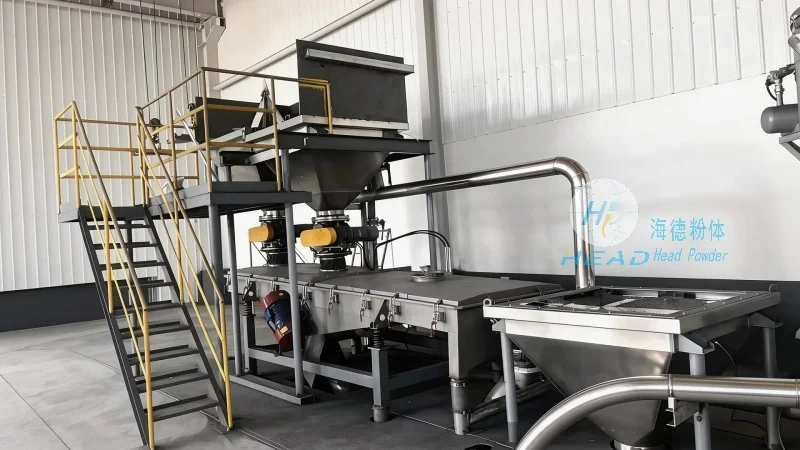
Benefits and Applications
The implementation of an ammonium chloride pneumatic conveying system brings numerous benefits to industrial operations. For manufacturers dealing with ammonium chloride, the system enhances productivity by streamlining the material handling process. It reduces labor costs associated with manual handling and minimizes the risk of accidents or spills. The enclosed system also improves workplace safety by eliminating dust-related health hazards. In terms of environmental impact, the system contributes to cleaner operations by preventing dust emissions into the atmosphere. This aligns with regulatory requirements and promotes sustainable industrial practices. The system is widely used in various industries, including chemical manufacturing, fertilizer production, and food processing, where ammonium chloride is a key component. Its versatility allows it to be integrated into existing production lines or used as a standalone solution for material transport needs.




