For industrial applications involving the transport of magnesium sulfate, efficient and reliable material handling is crucial. The pneumatic conveying system, specifically designed for magnesium sulfate, offers a sophisticated solution that combines advanced technology with practical benefits. This article explores the working principle and key features of such a system, highlighting its effectiveness in meeting the demands of modern industrial processes.
About HeadPowder: Leading Pneumatic Conveying Solutions
HeadPowder, a prominent name in the field of material handling systems, specializes in the design, manufacturing, and installation of pneumatic conveying equipment. With a strong presence in Shandong, China, the company has built a reputation for delivering high-quality solutions tailored to the unique needs of various industries. The company’s expertise lies in understanding the specific requirements of different materials, including magnesium sulfate, and developing systems that ensure optimal performance and durability.
Working Principle of the Magnesium Sulfate Pneumatic Conveying System
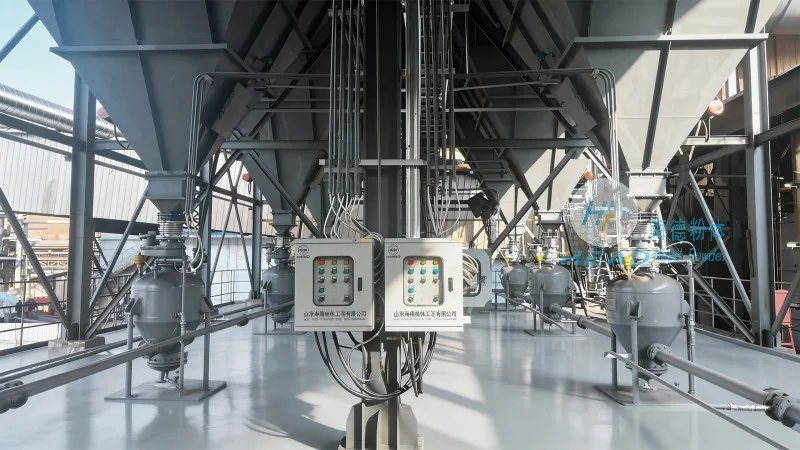
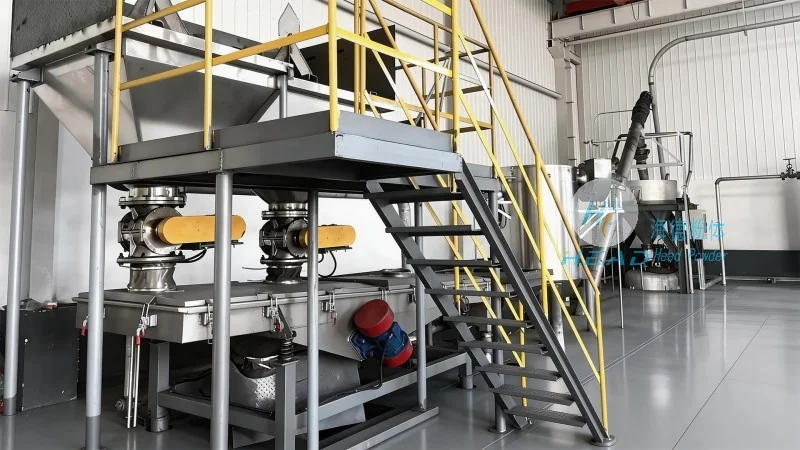
The core of the magnesium sulfate pneumatic conveying system is the method of transporting bulk materials through a pressurized or vacuum air stream. The system operates by introducing magnesium sulfate powder into a pipeline, where it is carried by an air flow. This process involves several key components and steps that work in tandem to ensure efficient material transport. First, the material is fed into a hopper or feeder, which controls the flow rate and ensures a consistent supply to the system. The feeder then transfers the material into the conveying line, where it is mixed with the air stream. The air, typically under pressure, propels the material through the pipeline, overcoming the gravitational forces and any resistance within the system. The system may use either positive pressure (blowing air into the line) or negative pressure (sucking air out of the line) to move the material, depending on the specific application and layout. The air flow is carefully regulated to maintain the right velocity, ensuring that the material is conveyed without clogging or degradation. At the receiving end, the material is separated from the air using a separator or cyclone, and the air is either filtered and recycled or released to the atmosphere. This closed-loop or open-loop system ensures that the material is handled hygienically and efficiently, minimizing dust and contamination.
Key Features and Advantages of the System
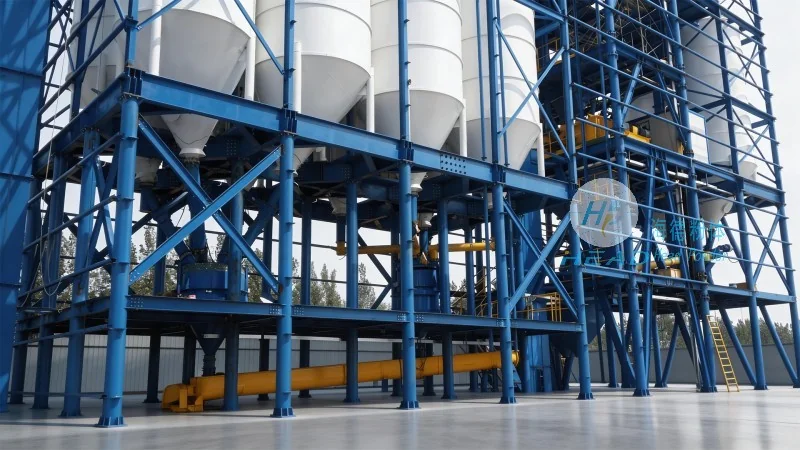
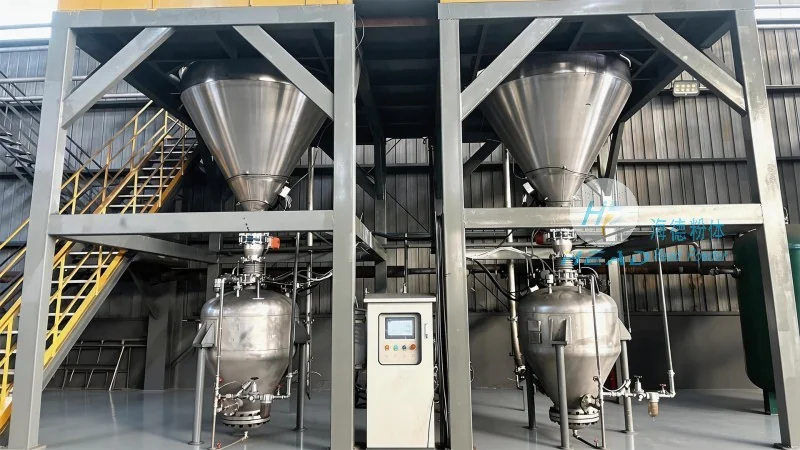
The magnesium sulfate pneumatic conveying system developed by HeadPowder offers several distinct features and advantages that make it an ideal choice for industrial applications. One of the primary features is its ability to handle fine powders like magnesium sulfate without causing clogging or blockages. The system’s design incorporates specialized nozzles and ductwork that maintain a consistent air-to-material ratio, ensuring smooth transport. Another key feature is the system’s flexibility in terms of layout and integration. It can be customized to fit various plant configurations, allowing for horizontal, vertical, or mixed-direction conveying. The system also provides high efficiency in terms of material throughput, with minimal energy consumption compared to traditional methods like belt conveyors or bucket elevators. Additionally, the system is designed for easy maintenance and cleaning, with components that can be easily accessed and serviced. The use of high-quality materials and robust construction ensures long-term durability and reliability, reducing downtime and maintenance costs. The system also contributes to improved safety and hygiene in the workplace, as it eliminates the need for manual handling of bulk materials and minimizes dust exposure. Overall, the magnesium sulfate pneumatic conveying system from HeadPowder combines advanced technology with practical benefits, making it a superior choice for industries that require efficient, reliable, and hygienic material transport.




