Phosphoric hydrogen calcium, a vital raw material in the fertilizer and food supplement sectors, demands efficient and reliable handling solutions to support seamless production workflows. Among the diverse material transport methods available, the pneumatic conveying machine emerges as a sophisticated system engineered specifically for managing this powder. This article explores the working principle and key features of a phosphoric hydrogen calcium material pneumatic conveying machine, illustrating how it addresses the unique challenges associated with this particular material.
Working Principle of the Phosphoric Hydrogen Calcium Pneumatic Conveying Machine
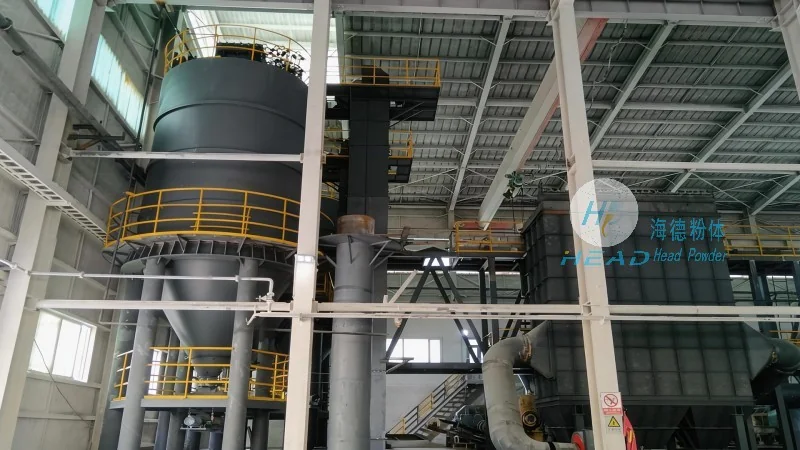
The pneumatic conveying machine operates on the core principle of utilizing air flow to transport solid particles through a closed pipeline system. For phosphoric hydrogen calcium, which is typically a fine powder with distinct physical properties, the system is engineered to handle its flow characteristics effectively. The process initiates with the material being fed into a hopper or feeder, where it is then introduced into the conveying line. Compressed air, generated by a blower or fan, is introduced into the pipeline, creating a flow that propels the material forward. The air velocity within the pipeline is meticulously controlled to ensure particles are carried without causing excessive wear or degradation. The system may employ either positive pressure (air forced into the line) or negative pressure (air drawn out), depending on the application and material travel distance. For phosphoric hydrogen calcium, a positive pressure system is often preferred as it offers better control over material trajectory and reduces dust accumulation risks.
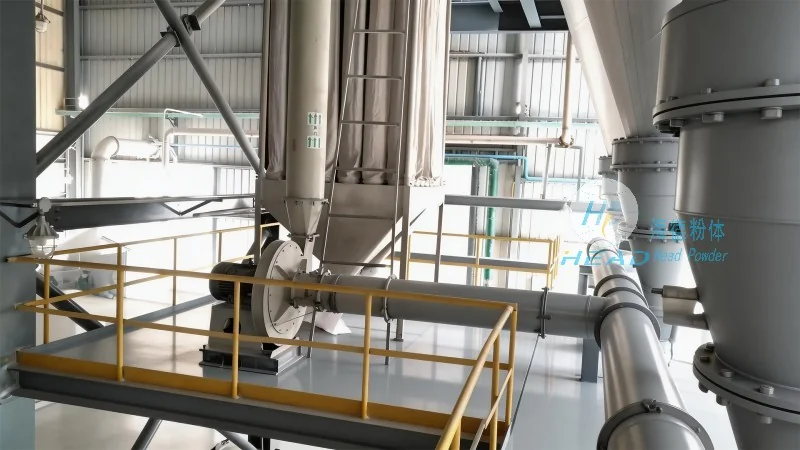
Key components include the material feeder (ensuring consistent powder flow into the pipeline), the conveying pipeline (typically made of durable materials like stainless steel or plastic to resist corrosion and abrasion), and the separation/collection equipment at the line's end. The separation unit—often a cyclone or bag filter—separates material from the air stream, allowing air recycling or venting while phosphoric hydrogen calcium is collected for further processing. The entire system maintains stable air pressure and flow rates, ensuring efficient transport without material loss.
Key Features of the Phosphoric Hydrogen Calcium Pneumatic Conveying Machine
The phosphoric hydrogen calcium pneumatic conveying machine offers several advantages for industrial applications. Firstly, it provides high transport efficiency, moving large powder quantities over significant distances with lower energy consumption compared to traditional methods like belt conveyors or bucket elevators. The system is also highly flexible, easily integrated into existing production lines and adapted to varying processing needs. For example, conveying speed and pressure can be adjusted to accommodate material density or particle size variations, ensuring optimal performance.
Another critical feature is the system's ability to maintain a clean, dust-free environment. Unlike mechanical conveyors, which generate significant dust and require additional dust control, the pneumatic system encloses material within the pipeline, reducing contamination risk and enhancing workplace safety. This is especially important for phosphoric hydrogen calcium used in food and pharmaceutical applications where purity is paramount. The system also minimizes product degradation, as material is not subjected to excessive friction or impact during transport, preserving quality and ensuring consistent output.
Automation and control are additional key features. Modern systems include advanced sensors and control panels monitoring air pressure, flow rate, and material levels in real-time. This enables precise process control, allowing operators to adjust settings quickly in response to production changes. The system can also integrate with other equipment (e.g., mixers, packaging machines) to create fully automated production lines, reducing manual intervention and improving operational efficiency.
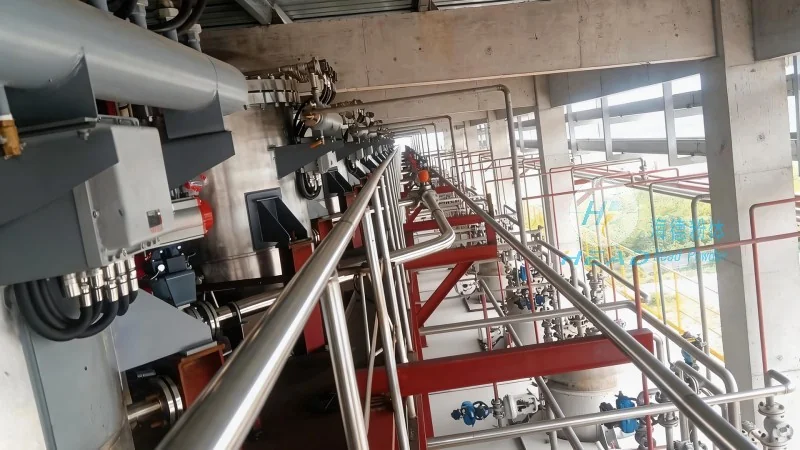
Maintenance and durability are further considerations for reliability. Components are designed to withstand abrasive powder, using materials like stainless steel and high-quality plastics for pipelines and fittings. Regular maintenance (system cleaning, wear checks) is essential for long-term performance. However, the modular design allows easy part replacement, minimizing downtime and maintenance costs.
About Shandong HeadPowder Engineering Co., Ltd.
Shandong HeadPowder Engineering Co., Ltd., operating under the brand name headpowder, is a leading manufacturer of specialized material handling equipment, including pneumatic conveying systems for various industries. With headquarters in Shandong, China, the company has extensive experience in designing and producing high-quality equipment tailored to client needs. The company’s commitment to innovation and quality ensures its products—including the phosphoric hydrogen calcium pneumatic conveying machine—meet the highest performance and reliability standards. By leveraging advanced engineering and manufacturing techniques, headpowder delivers solutions that enhance productivity, improve safety, and reduce operational costs for its customers.




