Bean powder, a common material in food processing and industrial applications, requires efficient and reliable transport methods to ensure quality and safety. Pneumatic conveying is a widely adopted technology for handling such powders, offering advantages over traditional mechanical methods. This article explores the fundamental principles of bean powder pneumatic conveying and highlights key application scenarios where this technology excels.
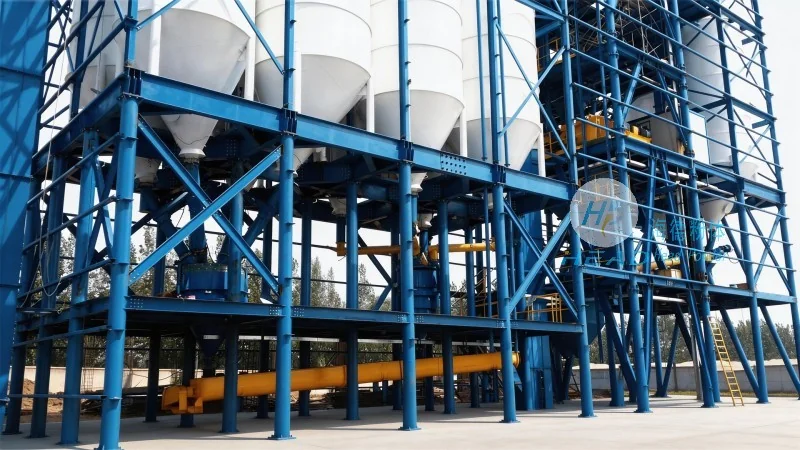
The Core Principle of Pneumatic Conveying for Bean Powders
At its essence, pneumatic conveying uses compressed air to move particulate materials like bean powder through a pipeline system. The process involves creating a pressure differential that propels the powder particles along the conveying line. For bean powders, which are typically fine and can be prone to bridging or caking, the design of the conveying system is critical. The system must ensure consistent flow, prevent material degradation, and maintain hygiene standards essential for food-grade applications. HeadPowder, a leading provider in this field, specializes in customizing pneumatic conveying solutions tailored to the unique properties of bean powders.
Key Components and Their Roles in Bean Powder Conveying Systems
A typical pneumatic conveying system for bean powders consists of several key components, each playing a vital role in the overall operation. The feed hopper is the starting point, where bean powder is stored and fed into the system. It often includes a rotary valve or a screw feeder to control the flow rate, ensuring a steady supply to the conveying line. The conveying line itself is usually made of stainless steel or other corrosion-resistant materials to maintain hygiene and prevent contamination. For bean powders, which may have varying particle sizes, the line diameter and air velocity are carefully selected to avoid particle degradation or blockages. The air compressor provides the necessary pressure and volume of air to move the powder. HeadPowder’s systems often incorporate energy-efficient compressors and advanced control systems to optimize performance and reduce operational costs. Additionally, filters and cyclones are essential for separating the powder from the air at the end of the conveying process, ensuring that the air is clean and the powder is collected efficiently.
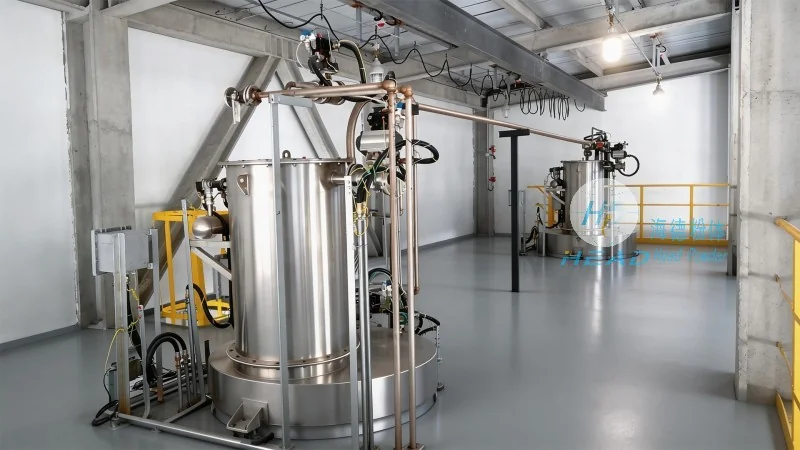
Application Scenarios Where Bean Powder Pneumatic Conveying Excels
Pneumatic conveying of bean powders is particularly effective in several industrial and food processing applications. One key scenario is in the food processing industry, where bean powders are used as ingredients in various products such as beverages, snacks, and baked goods. The hygienic design of pneumatic conveying systems is crucial here, as they must meet strict food safety regulations. HeadPowder’s solutions are often used in facilities that process soybean powder, coffee bean powder, or other similar products, ensuring that the powder is transported without contamination or loss of quality. Another application is in the chemical and pharmaceutical sectors, where bean powders may be used as raw materials or additives. In these industries, the ability to handle fine powders with high precision and minimal degradation is critical. Pneumatic conveying systems from HeadPowder are designed to handle such demanding applications, providing consistent and reliable transport. Additionally, in agricultural processing, where bean powders are produced from harvested crops, pneumatic conveying is used to move the powder from storage silos to processing plants. The efficiency of these systems helps reduce labor costs and improve overall production throughput.
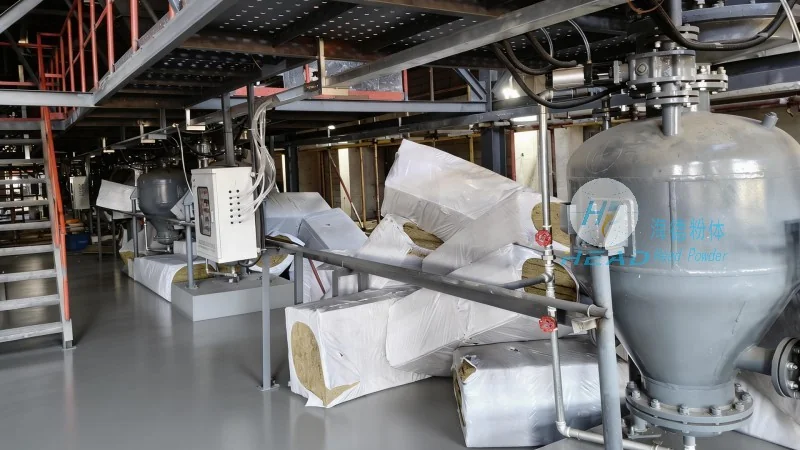
Advantages of Pneumatic Conveying Over Traditional Methods
Compared to traditional mechanical conveying methods like belt conveyors or screw conveyors, pneumatic conveying offers several advantages when handling bean powders. First, it provides a hygienic and dust-free operation. Since the powder is contained within the pipeline, there is no exposure to the environment, reducing the risk of contamination and improving product quality. Second, it offers flexibility in layout. Pneumatic systems can be installed in various configurations, including vertical and horizontal conveying, allowing for more space-efficient designs in processing facilities. Third, it enables gentle handling of the powder, minimizing particle breakage and degradation. This is particularly important for bean powders, which may have delicate structures that can be damaged by mechanical stress. Fourth, it reduces maintenance costs. With fewer moving parts compared to mechanical conveyors, pneumatic systems require less frequent maintenance and have longer service lives. HeadPowder’s expertise in designing and manufacturing pneumatic conveying systems ensures that these advantages are fully realized in real-world applications.
Customization and Innovation by HeadPowder
HeadPowder Engineering Co., Ltd., headquartered in Shandong, China, is a leading manufacturer specializing in pneumatic conveying solutions for various powder materials, including bean powders. The company’s commitment to innovation and customer satisfaction has made it a trusted partner in the industry. HeadPowder offers a range of customized solutions tailored to the specific needs of each client. For bean powder applications, the company’s engineers work closely with clients to understand the unique properties of the powder, such as particle size distribution, moisture content, and flow characteristics. Based on this analysis, they design a pneumatic conveying system that optimizes performance, efficiency, and cost-effectiveness. The company’s products include both positive and negative pressure systems, as well as combination systems, allowing for flexibility in different operational scenarios. HeadPowder also provides comprehensive after-sales support, including installation, training, and maintenance services, ensuring that clients can maximize the benefits of their pneumatic conveying systems. The company’s focus on quality and reliability has earned it a reputation as a leading provider in the field of pneumatic conveying technology.




